Malaysia’s king warns against challenging his order on Najib
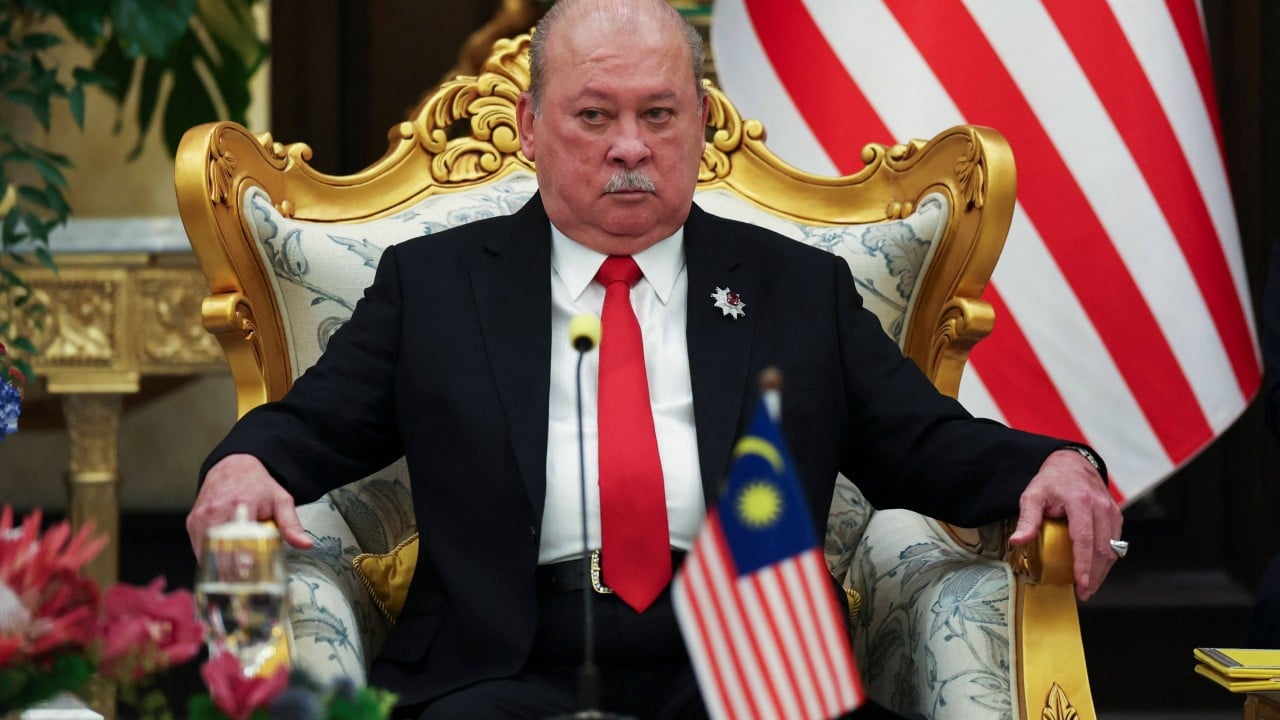
KUALA LUMPUR - Malaysia’s king warned on Saturday that any attempt to challenge his order letting former Prime Minister Najib Razak go from jail to house arrest could amount to ‌defying his decree, a day after authorities delayed Najib’s transfer.
Malaysia's king has cautioned against anyone attempting to challenge his decision to allow former Prime Minister Najib Razak to move from jail to house arrest, according to a statement released on Saturday. The warning came just a day after authorities delayed the transfer of Najib, who has been incarcerated since 2022 following his conviction for corruption and money laundering related to the 1Malaysia Development Berhad (1MDB) scandal.
Najib, who has consistently maintained his innocence, was set to be released on Friday, pending the conclusion of a 50-million-ringgit ($12-million) fine that his party paid to comply with a royal pardon granted by King Sultan Ibrahim in September.
However, the process was halted when the attorney-general's office raised concerns about the legal interpretation of the royal pardon and a court order issued the same day, which allows Najib to serve the remainder of his two-year sentence under house arrest. In response to the controversy, Sultan Ibrahim insisted on Saturday that his pardon order was "clear, explicit and without any ambiguity," emphasizing that the attorney-general and federal territories minister were present at the pardons board meeting where the decision was made.
"There should therefore be no confusion over its interpretation, nor should there be prolonged uncertainty over the implementation of the decision that has been granted," the king stated in a statement issued by the national palace.
The attorney-general's chambers did not immediately comment on the matter when contacted. However, they defended their actions against accusations of executive overreach, stating that their sole aim was to seek legal clarity and they had never disputed or intended to suspend the conditional pardon order issued by the monarch. The AGC further indicated that the matter should be promptly referred to the court for a definitive resolution and necessary directives.
As the king, a role held in rotation among Malaysia's nine regional sultans, holds significant ceremonial authority, he has the power to grant pardons under the constitution's discretionary clauses. The monarch and the other sultans are highly revered by Malaysians, with negative comments about the royalty potentially prosecutable under the colonial-era Sedition Act.
Written by urgent.news from Bangkok Post's reporting — not their text. Machine-written — may contain errors; check the original before relying on it.