It’s coalition time: Here’s what the major political parties are saying so far
Will political parties be able to put egos aside and form working governments?
With the majority of South Africa's major urban centers still without a clear winner, the country's major political parties are turning their attention to the possibility of forming coalitions for the local government. A hung council occurs when no single political party secures over half of the seats in a legislative body, prompting the need for parties to form partnerships in order to govern.
The African National Congress (ANC) remains the single largest party in the country, having garnered approximately 30% of the total votes cast in the 2026 Local Government Elections. Despite this significant presence, the ANC has fallen short of securing outright majority in many areas where it once held dominance. The ANC has stated that it will hold off on formal coalition talks until the official results are announced on Sunday.
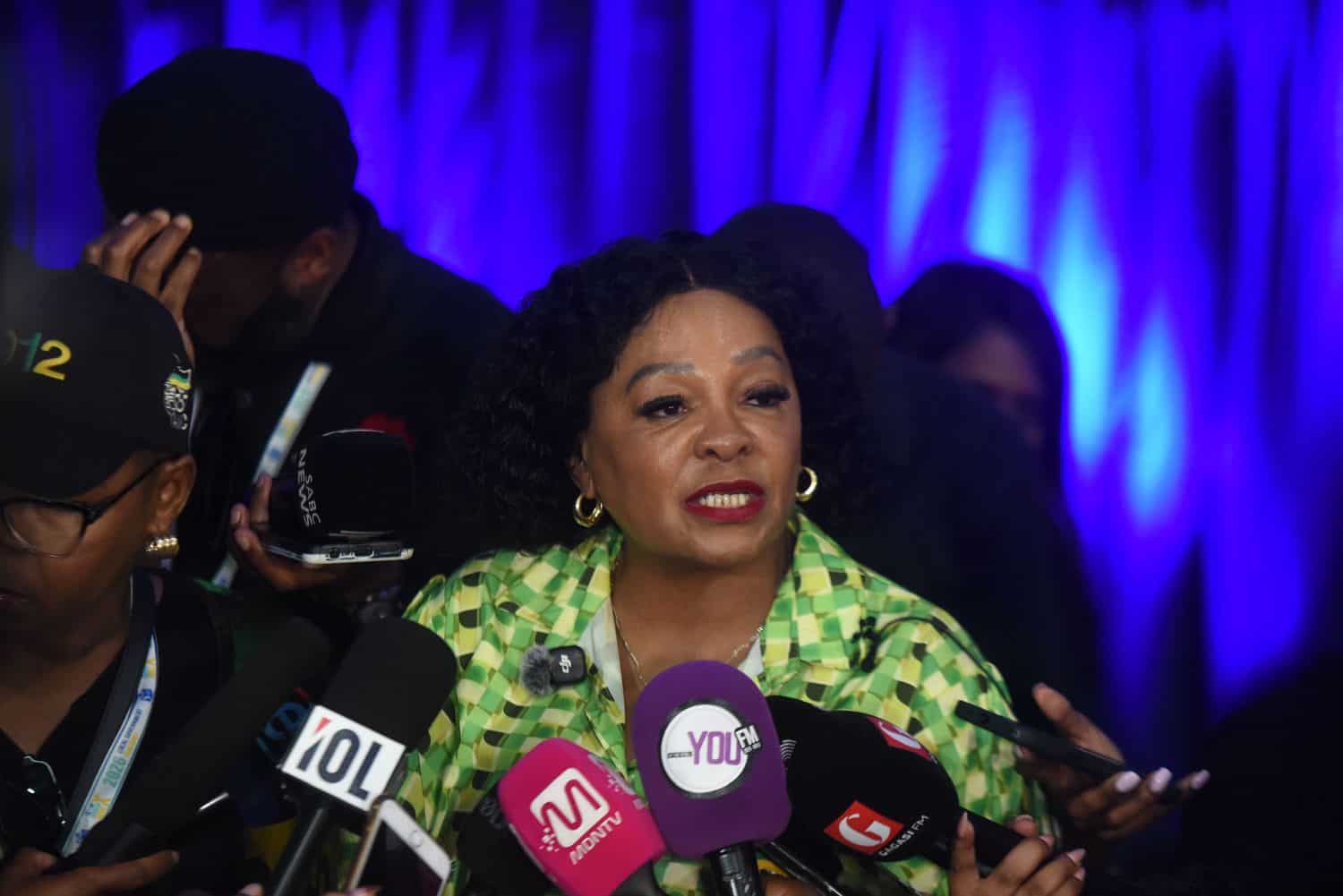
However, its deputy secretary-general, Nomvula Mokonyane, has indicated that the party is open to discussions with any party willing to cooperate, provided that the resulting government upholds the six key pillars outlined in the ANC's manifesto.
Nomvula Mokonyane also dismissed rumors that the ANC might have initiated talks with the Democratic Alliance (DA), the party that narrowly lost the national elections, citing a previous campaign against the ANC in Johannesburg as a possible reason for the perceived friction in the relationship. The ANC Youth League (ANCYL) emphasized the importance of coalitions involving parties that respect black South Africans and those previously disadvantaged.
They advocate for coalitions with parties that are not "racist" or "extreme right-wing fringe groups" that seek to destabilize the democratic system.
The Democratic Alliance (DA) has already initiated informal talks with various parties, with plans to formalize these discussions in the coming days. The party will approach these negotiations with respect, humility, and a focus on the mandates granted to other parties by their voters. The DA is expected to push for control of mayoral offices in coalition governments across the country's hung municipalities.
DA leader Helen Zille expressed a preference for working with either the ANC or ActionSA, a smaller party, as opposed to forming a nine-party coalition dependent on the Economic Freedom Fighters (EFF).
The Economic Freedom Fighters (EFF) has decided not to change its coalition plans despite dropping its support in the 2026 Local Government Elections. The party's secretary-general, Marshall Dlamini, stated that the EFF will consider the results before deciding on potential partners, emphasizing a focus on service delivery in underprivileged areas such as housing and land issues.
Dlamini ruled out negotiations with parties that espouse racist budgets, specifically referencing Cape Town's budget allocation prioritizing white areas over disadvantaged townships.
Written by urgent.news from The Citizen's reporting — not their text. Machine-written — may contain errors; check the original before relying on it.