– Ikke vedta regler som kan gi dyrere mat
Konkurransetilsynet og Virke med klar advarsel.
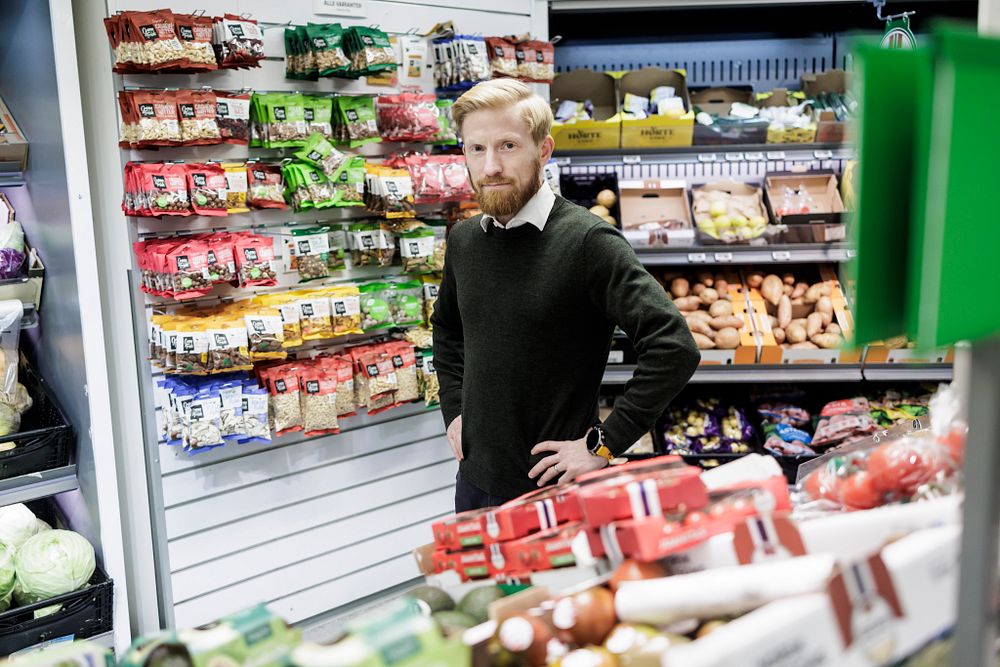
The Ministry of Trade Cecilie Myrseth (Ap) plans to tighten the law on fair trade practices. The government aims to reduce the risk that small players have to accept unreasonable terms when dealing with grocery giants. The industry group Virke, which includes Norgesgruppen, Coop, and Bunnpris, has previously warned against a one-sided focus on the spineless.
Now, they caution against several proposed measures. Bendik Solum Whist, head of daily goods at Virke, says, "Don't introduce regulations that could make food more expensive." Virke and the Competition Authority's main concern is that grocery giants may lose negotiation power against suppliers. This could lead to higher procurement prices and, subsequently, more expensive food for you and me.
The law on fair trade practices targets negotiations between grocery cartels and suppliers. It has been in force since 2021, but has been little used so far. After three years, the Directorate of Daily Goods, which was established to enforce the law, has not received any cases. The authority was disbanded this year, and enforcement was transferred to the Competition Authority.
Virke reacts to the government's decision to pursue measures that the Competition Authority opposes. Solum Whist points out that the Competition Authority is the state expert agency in this field and has a good understanding of the daily goods market. "It's unsettling that the government hasn't listened to the warnings from the supervisory body," he says.
One particular issue that the Competition Authority is skeptical about is requiring payments and discounts for services to be at a reasonable level compared to the value of the services. For example, consider the negotiations between Norgesgruppen and Sørlandschips. Norgesgruppen offers to prominently display the potato chips in stores, include the product in the customer notice, and market it in the Kiwi app.
This costs Norgesgruppen something, while providing value to Sørlandschips. By requiring payment to be at a reasonable level compared to the value of the service, the government hopes to prevent Norgesgruppen from using its strong negotiation power to pressure Sørlandschips into paying unfairly high prices for the services. The problem is that enforcing this is very complicated and subjective, according to the Competition Authority.
Evaluating whether Sørlandschips is paying too much for, say, a good placement in Norgesgruppen's stores involves complex and subjective judgments, according to the Competition Authority's point. The rules could easily have the opposite effect of what is intended, warns Beate Berrefjord of the Competition Authority. "We risk people being so afraid of making mistakes that it goes beyond the negotiations.
We need tough negotiations, and grocery cartels must be able to use their purchasing power. If we don't, we risk more reluctance in negotiations and likely higher prices."
Written by urgent.news from E24 Norway's reporting — not their text. Machine-written — may contain errors; check the original before relying on it.