How to dry clothes indoors (without mold, smells or a tumble dryer) in record time with these hanging and airflow hacks
Learn how to dry clothes fast indoors during using strategic hanging methods and smart airflow hacks that keep damp and musty smells out of your home.
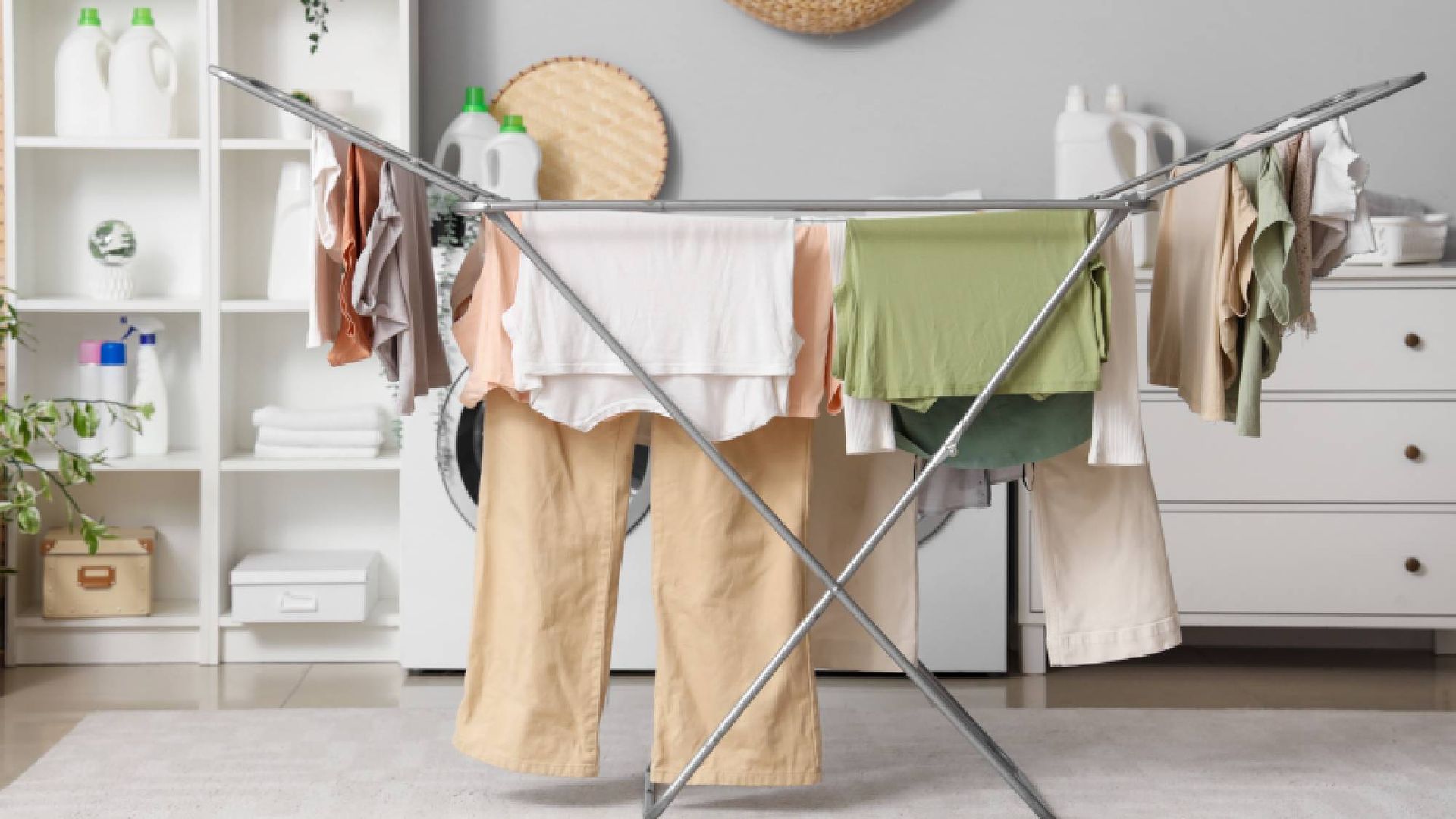
As the cold, wet weather arrives, drying laundry indoors without a dryer can turn into a lengthy process. Stacking damp fabric on clothes airers introduces lingering humidity into your home, resulting in garments smelling damp and walls susceptible to condensation and mold. The key to significantly reducing indoor drying times is not to crank up the central heating, but to focus on air circulation, extraction, and strategic placement. Here's how to rapidly and cleanly dry clothes indoors without inviting damp, mold, or musty odors.
A crucial tip begins before your clothes exit the washing machine. Most spin cycles retain significant moisture inside thick cottons, heavy jeans, and knits. Running a dedicated second spin cycle at your machine's maximum speed extracts a surprising amount of excess water without heating or risking fabric damage. Gently shaking each item right after unloading loosens compacted fibers and opens up air pockets that otherwise trap dampness for hours.
Consider how you hang your garments. The position and arrangement of wet laundry greatly impacts drying time. Overcrowding items on a clothes drying rack limits air circulation, trapping wet air between fabric layers. If possible, space each garment across multiple rungs or hang button-up shirts and tops on sturdy coat hangers along the outer frame to expose fabrics to moving room air.
To enhance airflow and combat humidity, position your clothes airer about a foot away from a heating duct, avoiding direct placement beneath it. This prevents heat efficiency loss and safeguards fabrics from scorching. Pairing this setup with an oscillating fan on its lowest setting continuously moves air across the textiles. In homes prone to condensation during late fall and winter, placing a dehumidifier directly under or adjacent to the rack removes moisture from the wet fibers while circulating warm, dry air back through the load.
Written by urgent.news from Tom's Guide's reporting — not their text. Machine-written — may contain errors; check the original before relying on it.