How the UAE became one of India’s biggest oil suppliers
Dubai: The MT Inspiration took on two million barrels of Abu Dhabi crude in May 2018. Its destination was an underground cavern in Mangalore, on India’s west coast, where the oil would help fill a stockpile India could draw on in an emergency. The shipment was the first under a deal that gave Abu Dhabi National Oil Company (ADNOC) room to store 5.86 million barrels in India at its own cost. Eight…
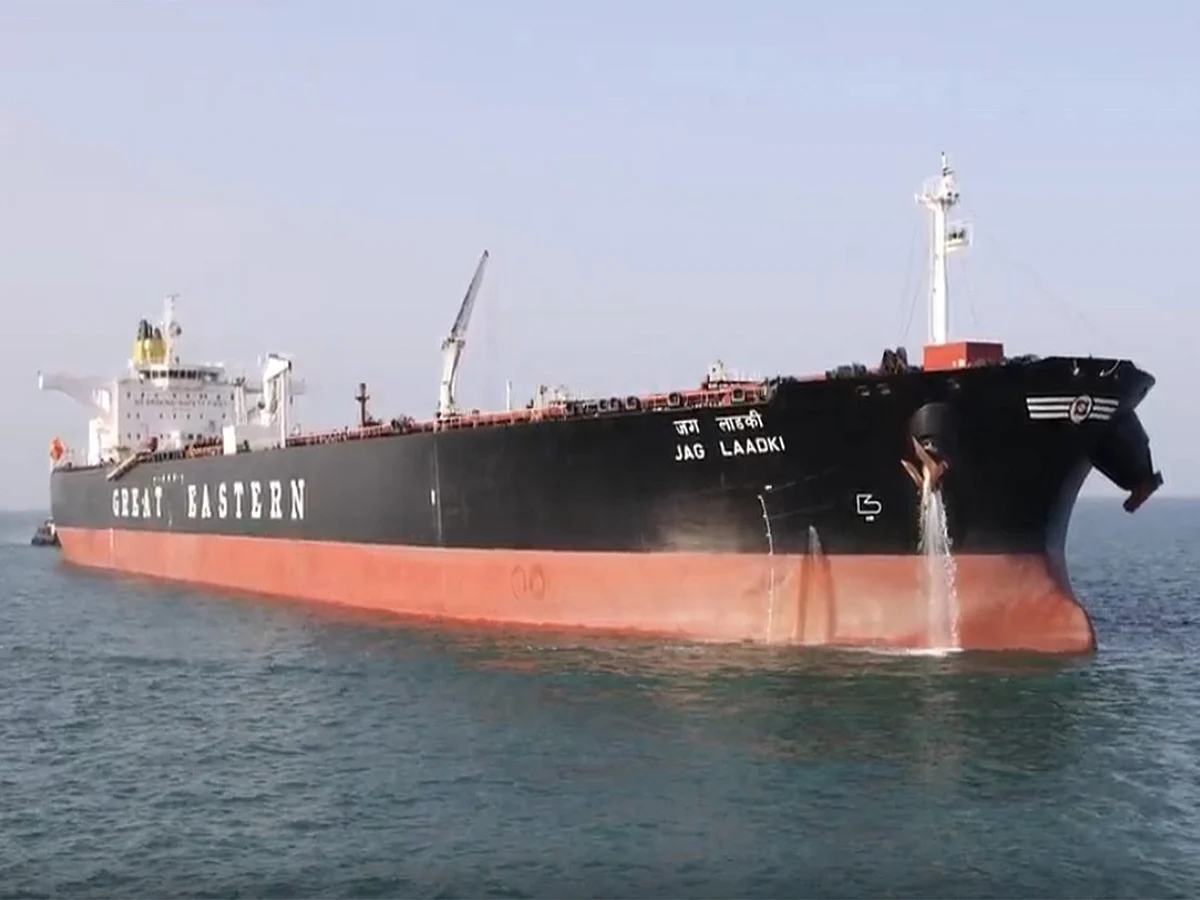
From May 2018, the UAE's ADNOC has been allowed to store five point eight six million barrels of crude oil in India, primarily at its underground cavern in Mangalore. This arrangement began with the shipment of two million barrels via the MT Inspiration to the Indian coast. In 2026, India proposed an arrangement where part of its strategic oil reserve could be kept in Fujairah, UAE.
This agreement also gave ADNOC the right to store up to thirty million barrels of its crude oil in India. The trade has developed significantly since India started importing fewer than one million barrels of oil a day in the 1990s. By 2018, India was importing about four point four million barrels a day. India's state-owned companies, including ONGC Videsh and Indian Oil Corporation, have secured a stake in Abu Dhabi's Lower Zakum offshore concession.
By 2026, the UAE is set to become India's second-largest source of crude oil, after Russia. The UAE is also India's fourth-largest supplier of liquefied natural gas and liquefied petroleum gas.
Written by urgent.news from Gulf News's reporting — not their text. Machine-written — may contain errors; check the original before relying on it.