How Earth Lost a Billion Years of Its History
Earth is missing a huge chunk of its geological record before the Cambrian period 538 million years ago, when complex life emerged. A new study suggests that the gap was caused by the rise and fall of ancient supercontinents.
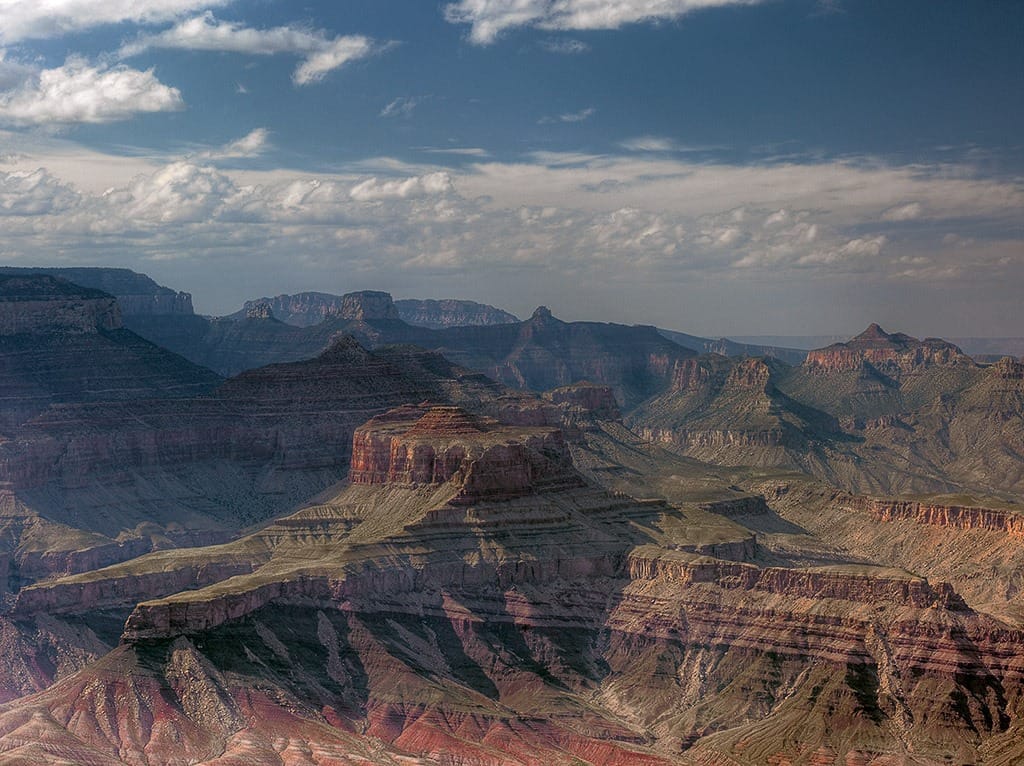
Scientists have illuminated the mystery behind Earth's loss of over a billion years of geological record, a phenomenon known as the Great Unconformity. This immense gap reveals that tectonic activity and erosive forces have continuously erased significant portions of our planet's history. The largest instance of the Great Unconformity is found in sandstone layers dating back to the Cambrian period, directly atop ancient "basement" rocks ranging from 1.2 to 1.8 billion years old.
The origins of this gap remain a topic of intense debate, with potential causes including glacial erosion during Snowball Earth events, rifting and plume activity, sea-level changes, and mantle-driven dynamic topography. To better understand these processes, researchers employed models of ancient supercontinent formation and breakup.
These models demonstrate that rising landmasses exposed to erosion contributed to the formation of the Great Unconformity, which is most prominently observed in North America. This geological event not only erased a significant chunk of Earth's history but also set the stage for the emergence of complex life during the Cambrian period.
Written by urgent.news from 404 Media's reporting — not their text. Machine-written — may contain errors; check the original before relying on it.