Geschichte: Merkels Appell beim „Ermutiger“ Biermann
Vor 50 Jahren wurde der Liedermacher Wolf Biermann nach einem Auftritt im Westen von der DDR des Landes verwiesen. Die Ex-Kanzlerin spricht zum Jahrestag nicht nur darüber, wie sie das Konzert sah.
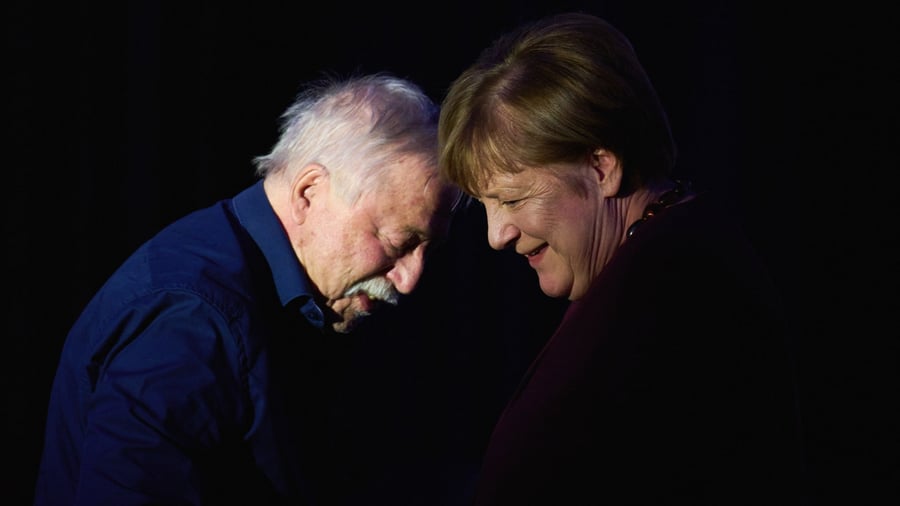
In 1976, the expulsion of singer Wolf Biermann marked a significant event in the history of the former German Democratic Republic (DDR). Many years later, in autumn 2026, former German Chancellor Angela Merkel, a CDU member, addressed the modern-day relevance of this past incident. During a film event at the Berlin Cinema International, Merkel called for citizens to "repeatedly and decisively stand up for this state," emphasizing that "this is a fight for something, for which one is fortunately not persecuted. But to avoid being persecuted in the future, one must commit to the values of our state today."
The event was held at the Bundesstiftung zur Aufarbeitung der SED-Diktatur, with Biermann, who will turn 90 on November 15, seated in the front row. The film displayed was "Festival of Critical Spirit" and "50 Years Biermann Expulsion," with Merkel delivering a speech that included personal anecdotes and an appeal. She highlighted the importance of democracy, stating that "democracy needs us" and that "our nation is united, but excited and torn."
Merkel acknowledged that democracy is more fragile than they initially believed, requiring "us, the citizens, who want to live in a democracy."
Merkel invoked Biermann's songs as a source of encouragement, noting that "he pleads and laments, always full of passion, filling the rooms, inspiring the imagination, and giving courage when all goes well." She shared Biermann's life story, recounting how he immigrated to the DDR at 16, distanced himself from communism through critical songs and poems, and was subsequently banned from performing in the country.
Following a concert in Cologne on November 13, 1976, he was denied re-entry to the DDR, and his citizenship was revoked, sparking protests and solidarity efforts within the DDR's cultural scene. Merkel described Biermann's concert as the first opportunity for her to "see him singing in image and color," attending it in person after hearing the songs only on tape recordings from her father.
Merkel reflected on Biermann's role as an "encourager," explaining that his expulsion from the DDR was a further step in rejecting communism's belief system, ultimately leading to the emigration of many artists from the country. She concluded her speech by praising Biermann's voice, stating that "we need your voice not only today, but also in the future."
As Biermann questioned the nature of their relationship, Merkel responded that "we are simply friends" and that he had learned to defend even those with differing opinions. She noted that tolerance, which he couldn't learn in the dictatorship, he gained in the West. The final question focused on the crowd's strong response to Biermann during the event, and Biermann remarked on the triumph of resisting the "pig dogs" and expressed gratitude for the ability to continue living, even in the midst of a communist era.
Written by urgent.news from Handelsblatt's reporting — not their text. Machine-written — may contain errors; check the original before relying on it.