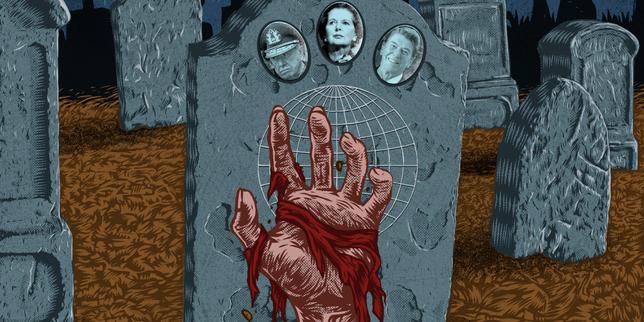
Fulgor, desplomes y ruinas en la IA
La caída de una compañía encierra el peligro de arrastrar a otras del sector, con riesgo de propagación global
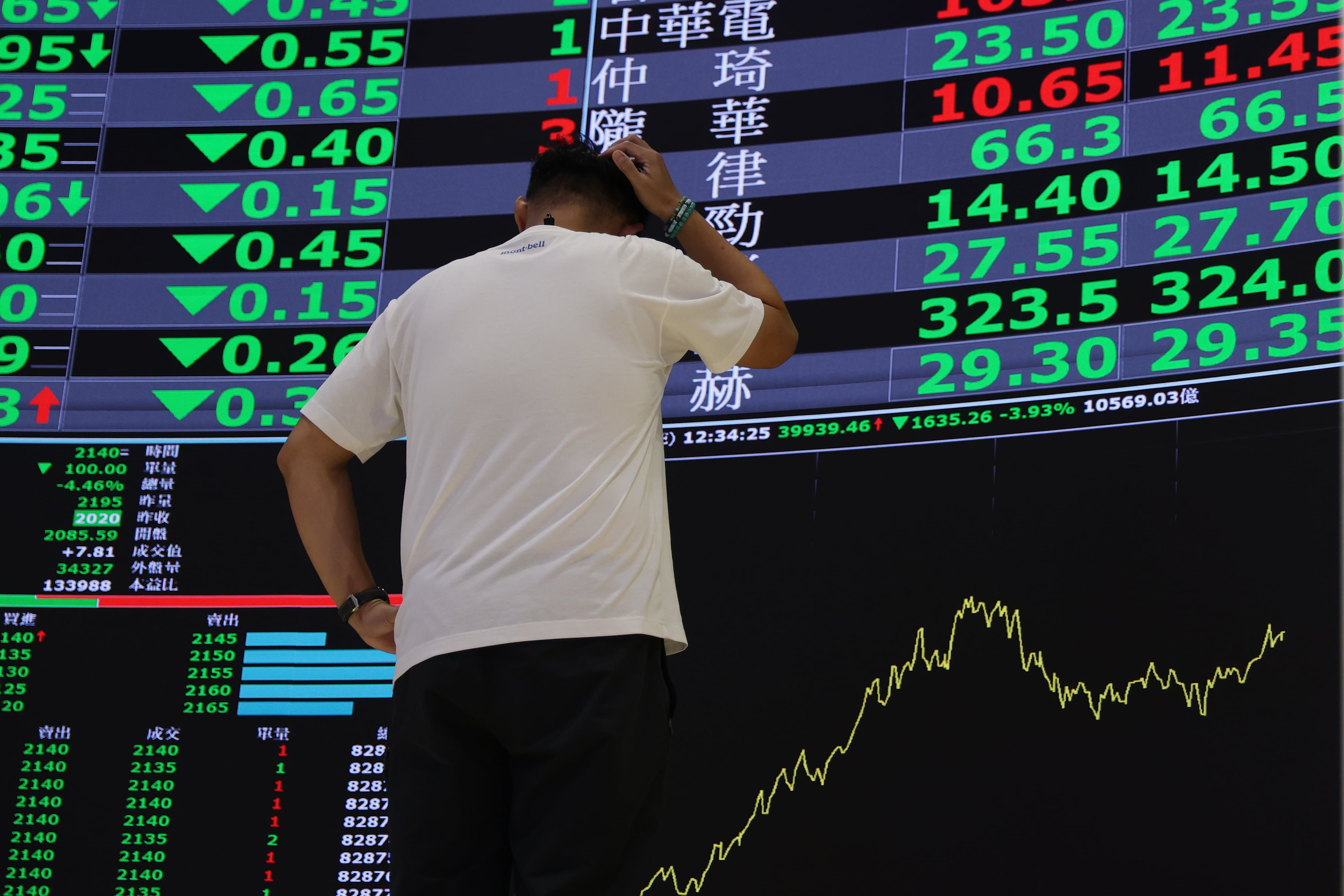
Similar to previous financial bubbles, the AI sector experiences a frenzy of innovation, followed by an industrial entrapment fueled by ambition, rapid investment that dwarfs returns, and unforeseen social accidents. Business failures and stock market crashes emerge, eventually leading to a fragile financial environment supported by immense debt. The magnitude of the crisis depends on whether cash flow generation and profits match a manageable pace, which promoters and companies must sustain.
Throughout history, similar patterns have played out: the canal mania of the 1830s, British railways, the electric boom of the 1920s, and the dot-com crash of the 2000s. All ended with immense economic consequences due to an overabundance of capital that did not justify eventual returns. The rapid advancements in AI, including SpaceX's rapid rise to a $1 trillion valuation, illustrate this trend. Its volatility has been tumultuous, from $160 to $108 to $171 per share before settling at $125 on October 1st.
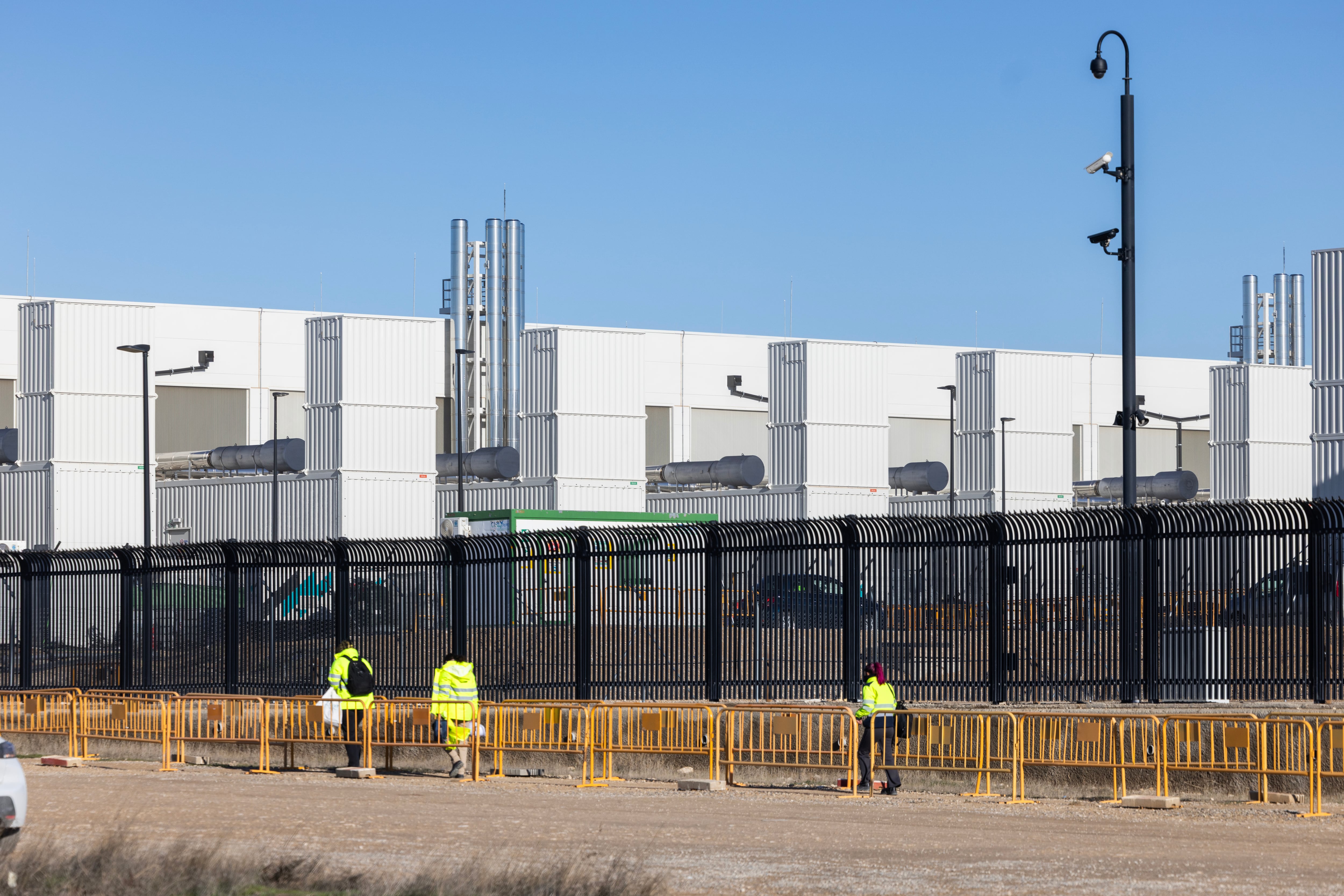
The sector's speculative nature is evident in its lofty ambitions, such as data centers in space, a permanent lunar base, and Martian colonization. While fortunes are made, financial ruin often follows. In September, the warning sign of a "Great Accident" emerged: AI engineer Jacob Roxon resigned from Anthropic, warning of potential global annihilation within a decade.
AI expert Dario Amodei called for a pause in growth and regulation, while Trump backed a self-regulatory approach. The latest shock is a significant stock market correction. Alphabet's stock, which invested $51.3 billion in AI, saw a 12.6% drop in value, losing nearly half a billion dollars in a single day. Other companies, like Meta, also face consequences, but Microsoft remains unaffected.
Central banks caution about financial stability, with Spanish economist José Luis Escrivá noting that most investments are made "with capital, not leverage." French economist Emmanuel Moulin added that "more investments are financed with debt" as companies increasingly finance themselves with bonds. Central banks also observe that major tech firms rely heavily on private credit, which is often opaque and interconnected. This interlinking could amplify the impact of any single company's downfall.
Written by urgent.news from El Pais Economia's reporting — not their text. Machine-written — may contain errors; check the original before relying on it.