Eisenkot to be tasked with forming next Israeli government
In a setback to Prime Minister Benjamin Netanyahu, his main rival will be tasked with forming the next Israeli government, placing him one step closer to ousting Israel’s longest-serving leader, even as the path remains complicated.
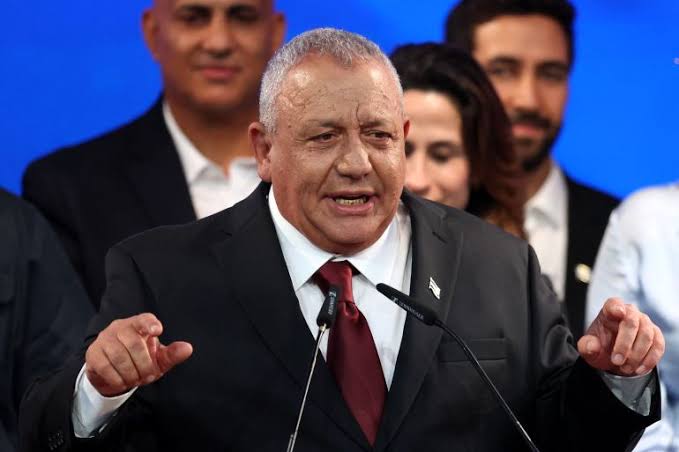
In a surprising turn of events, Gadi Eisenkot, a retired military chief, will now be responsible for forming Israel's next government, potentially ending the tenure of Prime Minister Benjamin Netanyahu. This development comes as a result of Eisenkot securing the support of 67 out of 120 Knesset members in the recent election, with 19 of those members belonging to the two Arab parties. Interestingly, Netanyahu only received backing from 46 recommenders.
Despite this apparent victory, Eisenkot's road to power is fraught with political complications. He is tasked with forming a coalition that would serve a six-week period, but his path remains uncertain due to the challenges of political divisions within the opposition itself. President Isaac Herzog officially gave Eisenkot the mandate to form a government on Sunday, following consultations with all parties elected to the Knesset.
It is crucial to note that having the mandate and a parliamentary majority does not automatically secure power for Eisenkot. The opposition parties and the Arab parties could still support his government from outside the Cabinet, providing a safety net. However, Eisenkot faces significant hurdles, most notably from Avigdor Liberman, the leader of Yisrael Beiteinu. His stance against any government that includes Arab parties has made it challenging for Eisenkot to form a coalition.
To form a government, Eisenkot must meet four conditions: recognizing Israel as a Jewish, democratic, liberal, and egalitarian state, adhering to the values of the Declaration of Independence, implementing universal service, and acknowledging Hamas as a terrorist organization. Although these conditions effectively exclude the Arab parties from holding cabinet positions, they could still provide a parliamentary safety net.
Written by urgent.news from MyJoyOnline Ghana's reporting — not their text. Machine-written — may contain errors; check the original before relying on it.