CAQM imposes GRAP-III in Delhi-NCR ahead of Diwali as AQI soars to 382: Here’s what’s allowed and restricted
After Delhi's average AQI climbed to 382 on Friday, nearing the 'severe' threshold, the CAQM invoked measures under GRAP Stage III. Here's a look at the restrictions in force, activities that can continue and the national capital's air quality forecast ahead of Diwali.
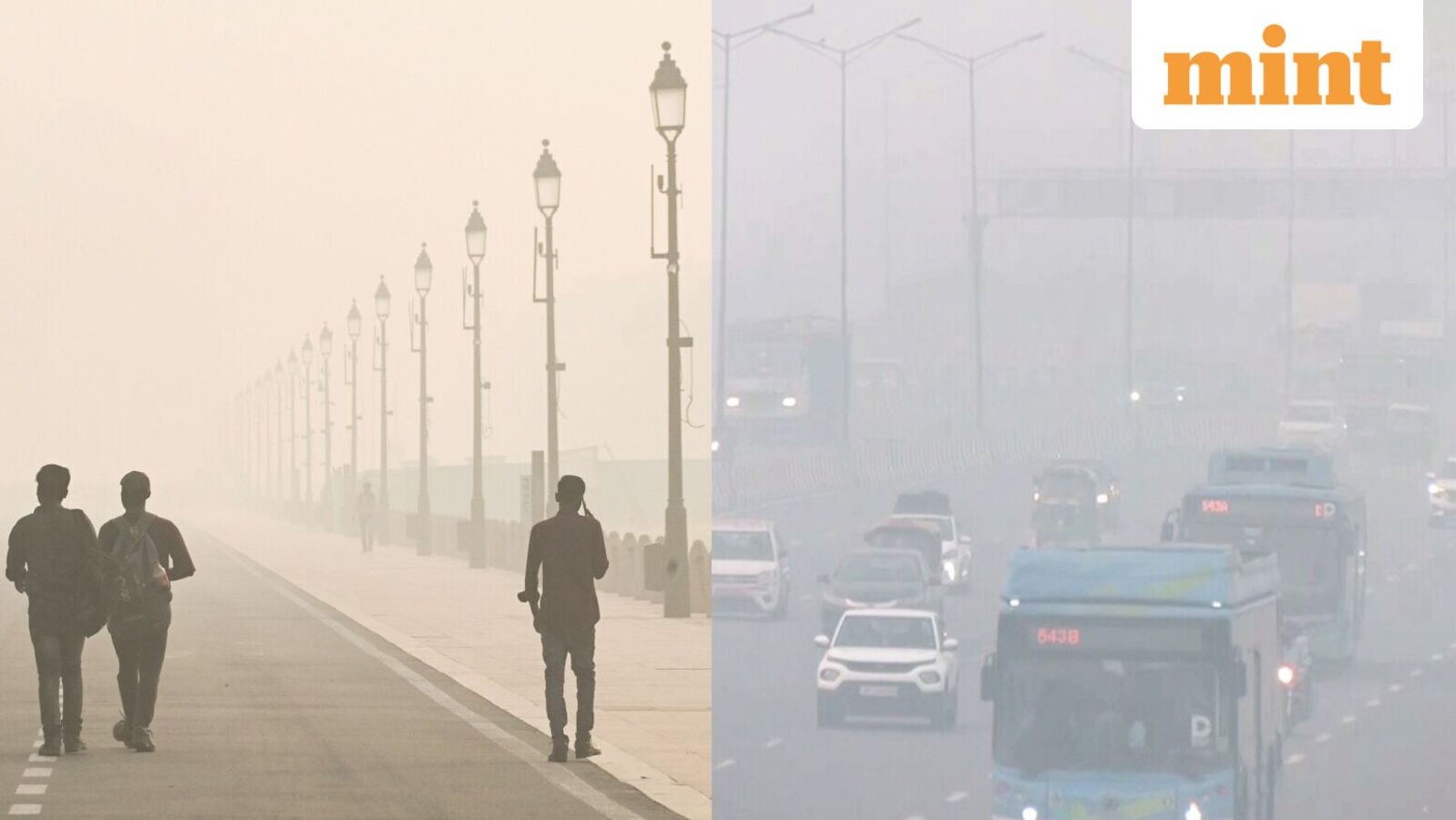
On Friday, the Commission for Air Quality Management (CAQM) implemented Stage III of the Graded Response Action Plan (GRAP) in Delhi as the average Air Quality Index (AQI) rose to 382, signaling "very poor" air quality. The city's air quality trended closer to the "severe" AQI category, two days before Diwali, due to heightened pollution levels and the formation of a smog layer. CAQM invoked the measures as a precautionary step despite Stage III typically being linked to the "severe" AQI category.
The restrictions under GRAP Stage III have been integrated with those from Stages I and II. The plan encompasses four stages, with restrictions becoming progressively more stringent as air quality deteriorates. Key measures under Stage III include a ban on non-essential construction and demolition activities, restrictions on BS-III petrol and BS-IV diesel vehicles, closure of industries using non-approved fuels, and the suspension of mining and related activities in Delhi-NCR.
Public transport services, such as Metro and public bus services, can continue as normal. Authorities may enhance Metro service frequency and introduce additional buses to promote public transport usage and reduce reliance on private vehicles. Other vehicles, like eligible BS-VI, CNG, and electric vehicles, are allowed to operate within existing regulations.
Concerning schools and offices, CAQM directs schools up to Class 5 in Delhi and NCR districts, such as Gurugram, Faridabad, Ghaziabad, and Gautam Buddha Nagar, to conduct classes in a hybrid mode, enabling students to attend either in person or online where feasible. Some state governments and the Delhi government may choose to operate public, municipal, and private offices with 50% of staff physically present while the rest work from home.
The Centre will independently decide for its employees, and private offices are advised to consider work-from-home or hybrid arrangements.
Written by urgent.news from Live Mint's reporting — not their text. Machine-written — may contain errors; check the original before relying on it.
This story
This is one outlet's version. Read the fullest account.