Cancer in India: Screening exists, but why are patients still diagnosed late
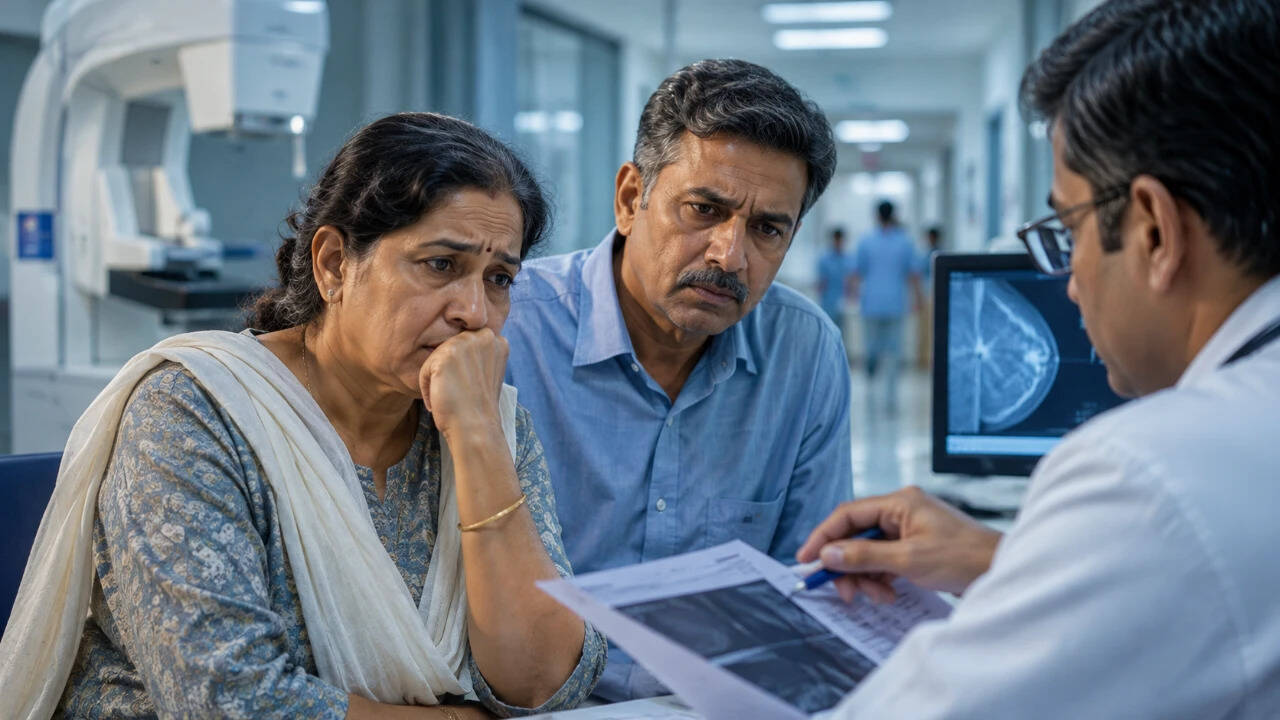
Cancer in India is often diagnosed at a late stage, leading to poorer treatment outcomes and survival rates. According to the National Cancer Registry Programme, around 13.92 lakh new cancer cases were detected in India in 2020, with 7.7 lakh cancer deaths. The public screening program, called the National Programme for Prevention and Control of Non-Communicable Diseases, launched in 2010 and expanded in 2016, offers screening for oral cavity, cervical, and breast cancers to those aged 30 and above.
However, screening uptake is low, with only 1.9% of women in Tamil Nadu, 0.9% in other states reporting ever having had a cervical cancer screening test. Dr Prasad attributes this to the lack of a mandatory screening program and patients often ignoring early signs. He recommends starting breast cancer screening at 40, cervical cancer screening at 21, and Prostate Specific Antigen tests at age 45 for men, along with colonoscopy from age 50.
Additionally, he suggests cervical cancer vaccination for girls aged 9-14, which could prevent up to 95-98% of cases. Lack of awareness and the belief that nothing will happen to them are the main barriers to screening, according to Dr Prasad.
Written by urgent.news from Times of India's reporting — not their text. Machine-written — may contain errors; check the original before relying on it.