Brain connectivity pattern predicts treatment response in cocaine use disorder
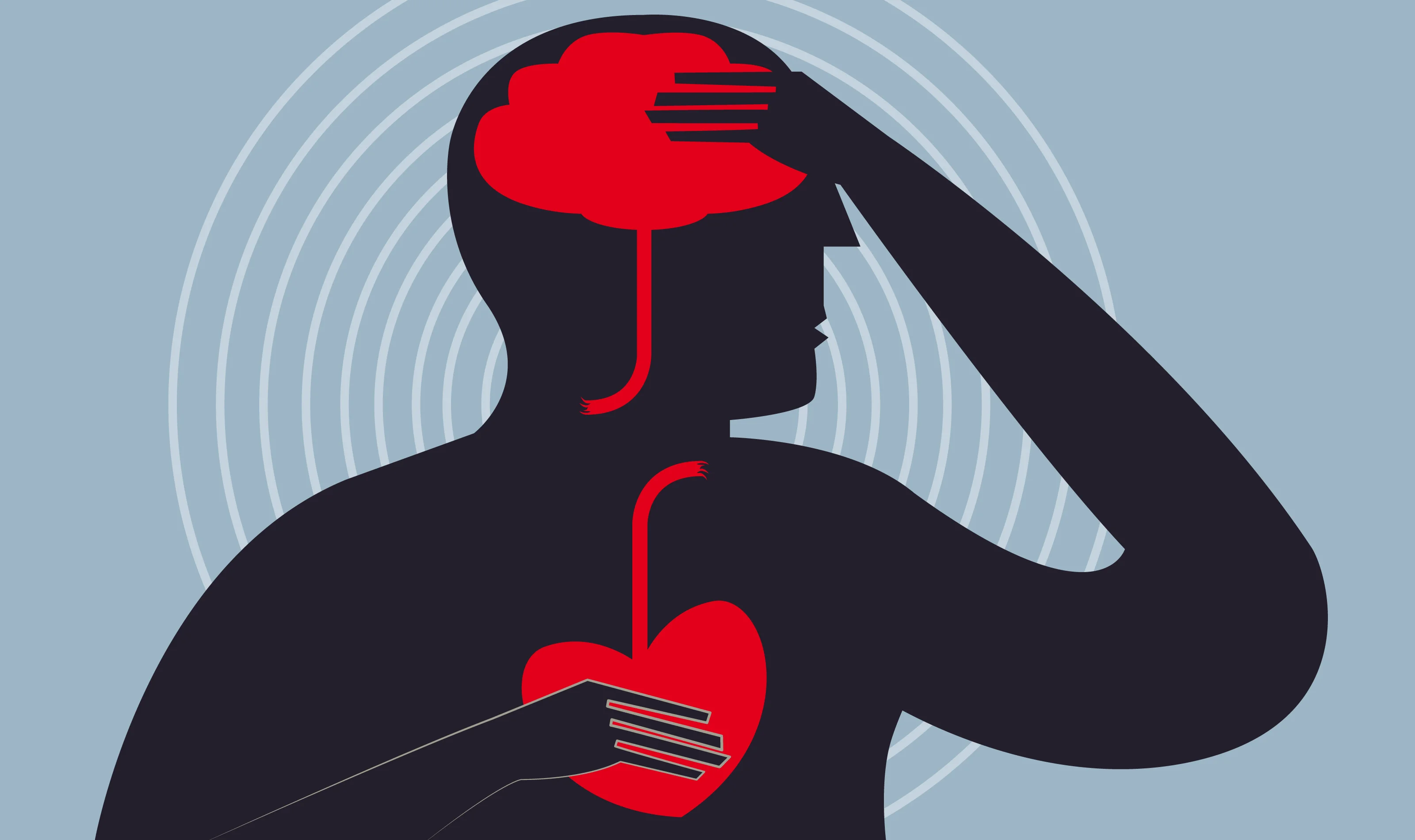
Researchers have identified a unique brain connectivity pattern linked to cocaine use disorder. This biological marker can distinguish patients from healthy individuals and predict whether they will respond to magnetic brain stimulation therapies to reduce cravings.
Scientists have discovered a unique pattern of brain connectivity that can distinguish individuals with cocaine use disorder from those without the condition, and predict their response to magnetic brain stimulation therapy. Cocaine use disorder is characterized by compulsive drug use and high relapse rates, necessitating more effective diagnostic tools and targeted treatments.
Researchers at Lehigh University used functional magnetic resonance imaging (fMRI) to study brain activity patterns in 129 individuals in Mexico, comprising 71 with cocaine use disorder and 58 healthy controls. The team observed that those with cocaine use disorder exhibited altered connectivity between various brain networks. Specifically, they displayed increased connectivity between networks involved in visual processing, attention, goal-directed behavior, and sensory attention.
Conversely, they showed reduced connectivity between the default mode network (responsible for internal thoughts) and the limbic network (processes emotions). To validate their findings, the researchers tested their algorithm on a separate group of 82 patients and 81 healthy controls from the United States and Mexico, achieving a 70% accuracy rate in classifying participants.
Moreover, the study investigated the potential of this brain connectivity pattern to predict treatment outcomes. In a randomized clinical trial involving 45 cocaine users, researchers found that patients with certain connectivity patterns in their frontal lobes were more likely to experience reduced cravings after undergoing active magnetic brain stimulation therapy.
However, the model failed to predict outcomes for patients in the sham treatment group, indicating that the brain signature is specific to the actual therapy. While the study provides valuable insights into the biological markers of cocaine use disorder and their relationship to treatment response, it does not definitively establish causal relationships between these connectivity patterns and addiction.
Written by urgent.news from PsyPost's reporting — not their text. Machine-written — may contain errors; check the original before relying on it.