Both election interference probes involving Arab parties reportedly falling apart
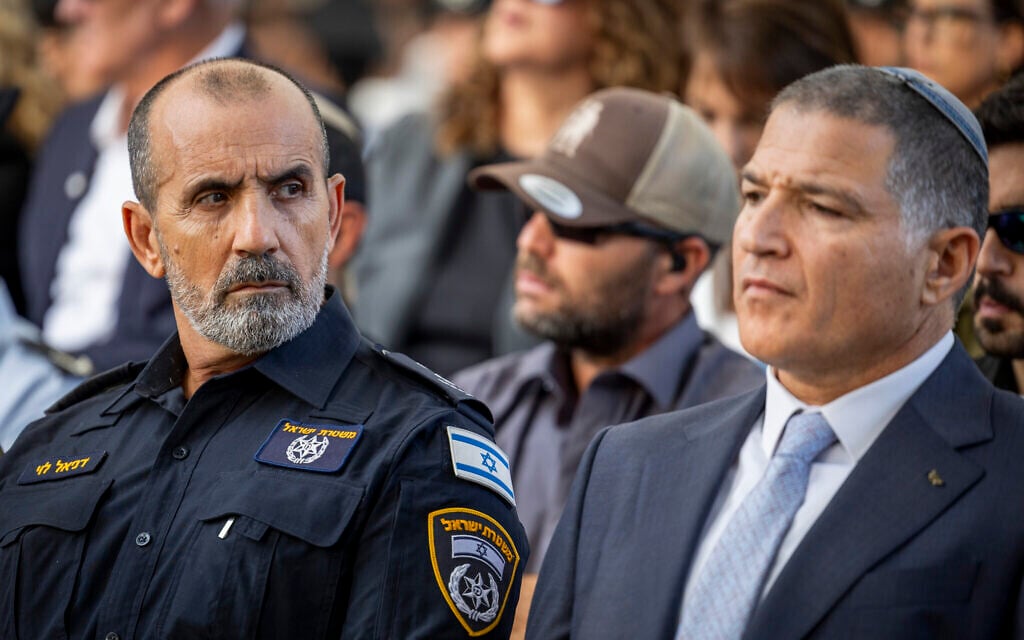
Israeli TV reports on tensions between Shin Bet chief David Zini and police, with an official from the latter saying 'there's a huge gap between his claims and the reality'
Over the past week, Border Police officers in the Coastal District of Israel removed graffiti depicting nationalist and pro-Palestinian messages from public spaces in several western Galilee villages. The operation, part of a larger effort to enhance governance, public order, and security presence in the region, saw officers identifying and covering over the spray-painted walls with original appearances restored.
Crime and governance have been major concerns in Arab communities, issues that have surfaced prominently during the recent Knesset election. Voter turnout among Arab Israelis was around 77%, nearly two points below the previous record of 79.3% set in 1996. The Israel Democracy Institute's survey indicated that violence, organized crime, and personal security were the primary concerns for young Arab Israelis, influencing their voting decisions.
Arab parties following the election emphasized the need for greater government action on crime, policing, infrastructure, and public spending, while also advocating for Palestinian rights and statehood. Despite these ideological differences, several Arab parties, such as Hadash, Ta al, and Ra am, have signaled their willingness to support the government led by Yashar leader Gadi Eisenkot, while Ra am chairman Mansour Abbas has also expressed openness to joining a governing coalition.
This pragmatic support is viewed as a political choice aimed at addressing the concerns of their communities without abandoning their stances on the Israeli-Palestinian conflict.
Written by urgent.news from Jerusalem Post's reporting — not their text. Machine-written — may contain errors; check the original before relying on it.
This story
This is one outlet's version. Read the fullest account.