As COP31 comes to Turkey, satellites reveal a landfill methane problem
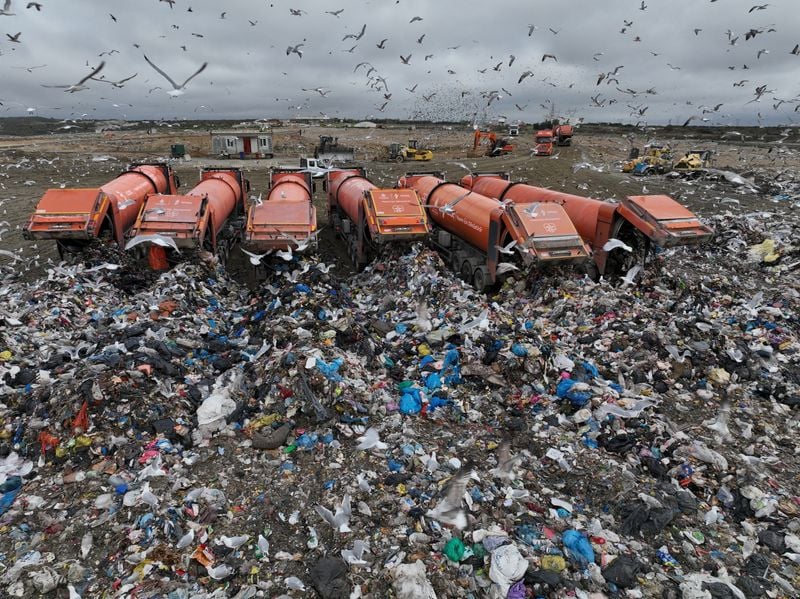
In the countryside near Istanbul, Turkey, a vast landfill emits significant amounts of methane gas, which is captured to generate electricity at a nearby plant. However, satellites have detected methane leaking from the landfill at a rate that ranks it among the world's largest emitters. Turkey is hosting the COP31 climate summit from November 9 to 20 and has prioritized methane reduction.
Methane is a potent greenhouse gas, with over 80 times the warming effect of carbon dioxide in the first 20 years it remains in the atmosphere. Turkey ranks fifth globally in methane emissions from solid waste, behind China, the United States, Russia, and Brazil. Satellite observations by UCLA identified 70 plumes of methane from Turkey's 10 highest-emitting waste sites, with average detected rates ranging from 841 kg to 7.4 metric tons per hour.
Three plumes were near Istanbul, while others were near Ankara, Izmir, and Antalya, where the summit is being held. Gas capture is widespread at larger municipal landfills, but it does not prevent large releases. Improving collection systems and repairs could deliver disproportionate gains in reducing national emissions. Turkey's largest detected emissions were concentrated at a few sites, suggesting that addressing these landfills could significantly reduce national emissions.
However, Turkey's Environment Ministry disputes the satellite measurements, stating they are not from continuous measurements and cannot be used to measure annual emissions at the Seymen landfill. The ministry also highlights Turkey's Zero Waste Initiative, which aims to reduce waste going to landfills and lower methane emissions.
The national waste recovery rate has risen to 37.53% in 2025 from 13% in 2017. Despite these efforts, methane emissions from waste in Turkey have risen nearly 25% in the decade to 2024, compared to a global rise of 6.5% over the same period. Turkey has not joined the Global Methane Pledge, a collective 30% cut in methane emissions from 2020 levels by 2030, but could still join during COP31.
The effectiveness of joining the pledge remains uncertain, as it depends on implementing the commitments.
Written by urgent.news from Investing.com's reporting — not their text. Machine-written — may contain errors; check the original before relying on it.