Armenia's selective prosecution: A threat to EU relations?
While Brussels has refrained from harsh criticism, Armenian civil society has warned of selective justice against opposition figures. Could the EU's pragmatic stance risk repeating past mistakes?
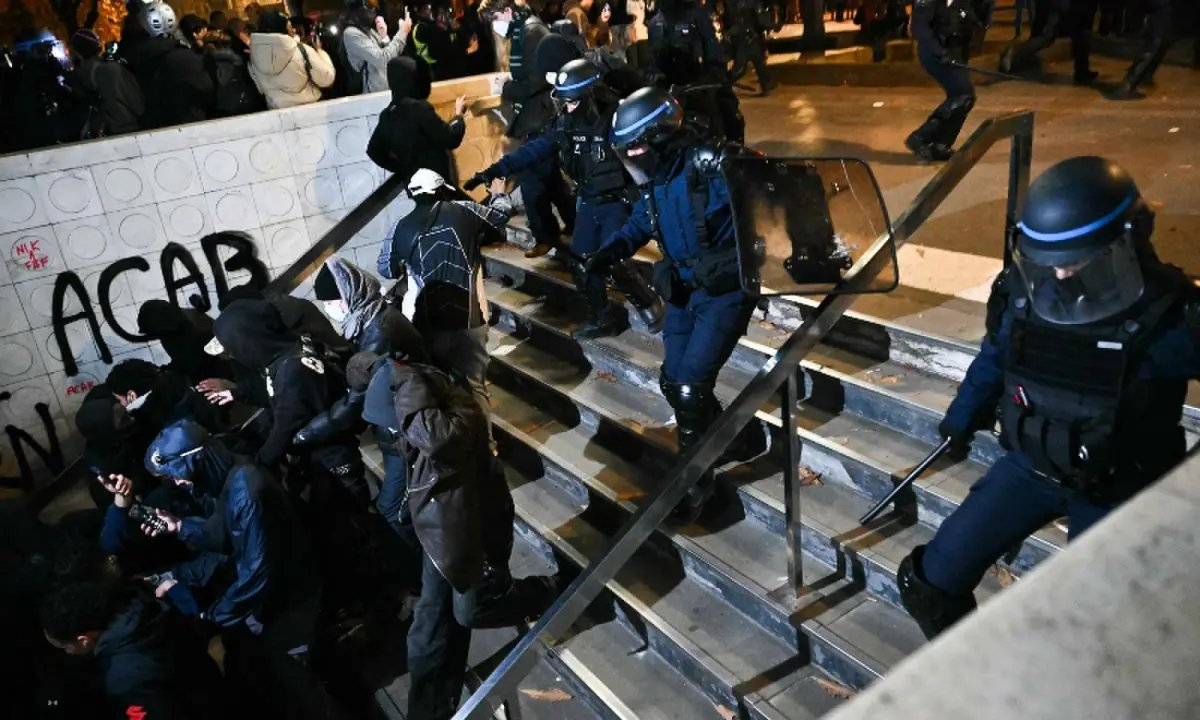
In early October, opposition leader Artur Danielyan was arrested for posting critical comments about Prime Minister Nikol Pashinyan and Armenia's security services on Facebook. This is part of a pattern of selective prosecutions against opposition figures in recent years, based mostly on their social media activity. Civil society groups fear these actions indicate a move toward democratic backsliding in Armenia.
The arrest of Danielyan followed his criticism of Pashinyan's stance on a prisoner exchange involving an Azerbaijani soldier accused of breaking into an Armenian home and assaulting the residents. Pashinyan refused to trade the soldier for detained Armenians in Azerbaijan. Danielyan retaliated, calling the prime minister a "scumbag" and accusing him of not wanting to bring his own people home.
Armenia's ongoing conflict with Azerbaijan over the disputed region of Nagorno-Karabakh has resulted in 19 Armenian detainees in Baku, Azerbaijan. Several other activists have also been charged for criticizing the government or Pashinyan, particularly ahead of the June parliamentary elections. In response to these cases, a 2020 amendment to Armenia's Criminal Code, which criminalized public calls to violence, was later deemed ineffective and was set to be repealed.
However, a 2025 report by Freedom House showed that nearly 95% of cases involving incitement to violence focused on alleged threats against Pashinyan and his supporters, while similar statements from ruling party members were largely ignored.
Despite Armenia's efforts to improve relations with the EU, Brussels has not taken a clear stance on the suppression of opposition voices. The EU's approach is largely pragmatic, given its strategic interest in Armenia as its primary partner in the region due to its alternative to a pro-Russian opponent. Political analyst Tigran Grigoryan noted that European support for Armenia is driven more by the EU's Russia policy than genuine concern for Armenia's democracy.
Stefan Meister, an Eastern Europe expert at the German Council on Foreign Relations, echoed this sentiment, stating that the EU's support for Armenia is more about countering Russian influence than a genuine commitment to Armenian democracy.
Written by urgent.news from DW English (Top Stories)'s reporting — not their text. Machine-written — may contain errors; check the original before relying on it.