Abelardo de la Espriella’s First 90 Days: How Is Colombia Changing?
The first 90 days of Abelardo de la Espriella’s presidency in Colombia, marking November 7, have been defined by a hard-line agenda against armed groups, an offensive to overhaul the economic policies inherited from Gustavo Petro, and an ideological confrontation that has extended into cultural and educational institutions. However, the start of his administration has […]
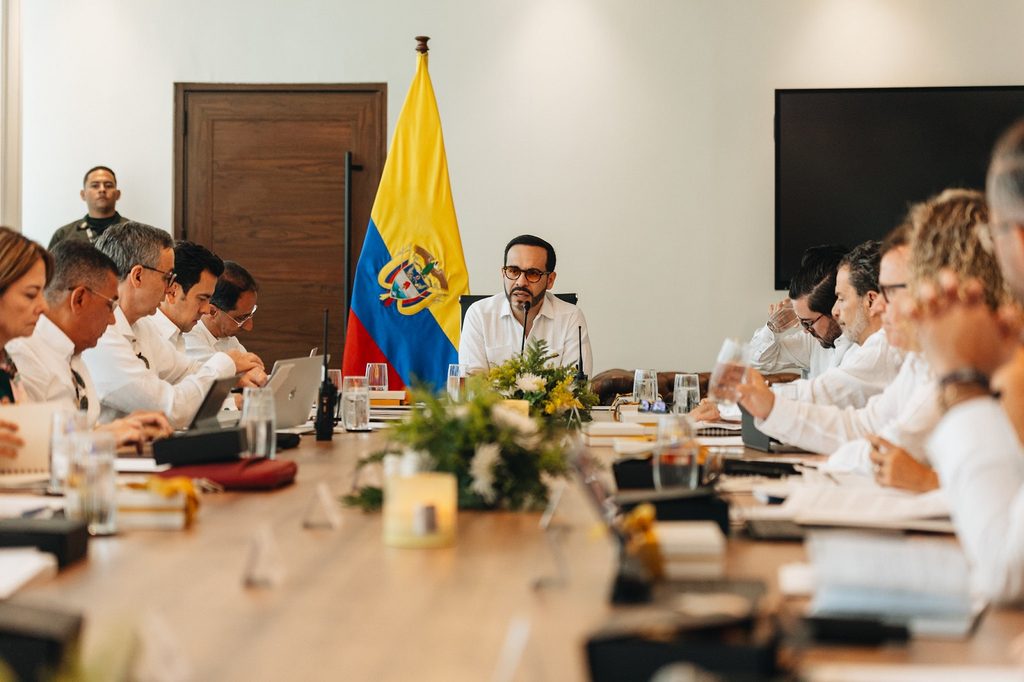
Three months after Abelardo de la Espriella assumed the presidency of Colombia, his administration has been characterized by a tough stance against armed groups, efforts to reform the economy inherited from Gustavo Petro, and ideological clashes affecting various sectors, including cultural and educational institutions. However, the initial stages of his administration have also been marked by a natural disaster, challenges in assisting hundreds of thousands of victims, and the first signs of division within his Cabinet.
De la Espriella, who assumed office on August 7 following a narrow victory over Ivan Cepeda, pledged to restore territorial control, reduce government size, and reestablish government authority. Three months later, his administration can report an increase in military operations and a significant change in its approach to dealing with armed groups.
Yet, it is also facing criticism over the humanitarian repercussions of its actions, the absence of political consensus needed to advance its fiscal agenda, and the depth of its cultural confrontation. The central pillar of the new administration's political strategy has been security, with airstrikes, extraditions, and the end of the Total Peace era.
De la Espriella had vowed to regain control of territories influenced by criminal organizations within 90 days and unveiled an emergency plan to combat drug trafficking and illegal armed groups. This strategy has led to a surge in military operations, including six airstrikes against the ELN, FARC dissidents, and the Gulf Clan, resulting in the deaths of several members but also sparking debates about their humanitarian effects, particularly the loss of minors in some attacks.
In addition to the security measures, the administration has adopted a more stringent extradition policy, signing 142 extradition authorizations within 74 days. The Submission Law, approved on November 4 after congressional approval, replaces Petro's Total Peace framework and introduces stricter conditions for individuals from armed organizations seeking reduced sentences.
To comply, these individuals must surrender their weapons and assets and disclose information about their criminal networks. The government asserts that there will be no political negotiations with these groups, although it continues to keep open the possibility of their cooperation with the justice system. Despite these legislative advancements, the military offensive has yet to address fundamental issues like territorial control of illicit economies, forced recruitment, and the groups' capacity to replace their commanders.
Furthermore, the deaths of minors in airstrikes and the president's inability to retake the territory within the promised 90 days have fueled criticism of his security policy.
Written by urgent.news from Colombia One's reporting — not their text. Machine-written — may contain errors; check the original before relying on it.