A new group of senators from both parties will vote on how to save Social Security. Here’s what they’ve said about it
From taxing higher earners to changing the retirement age, incoming lawmakers have offered different approaches to the funding gap.
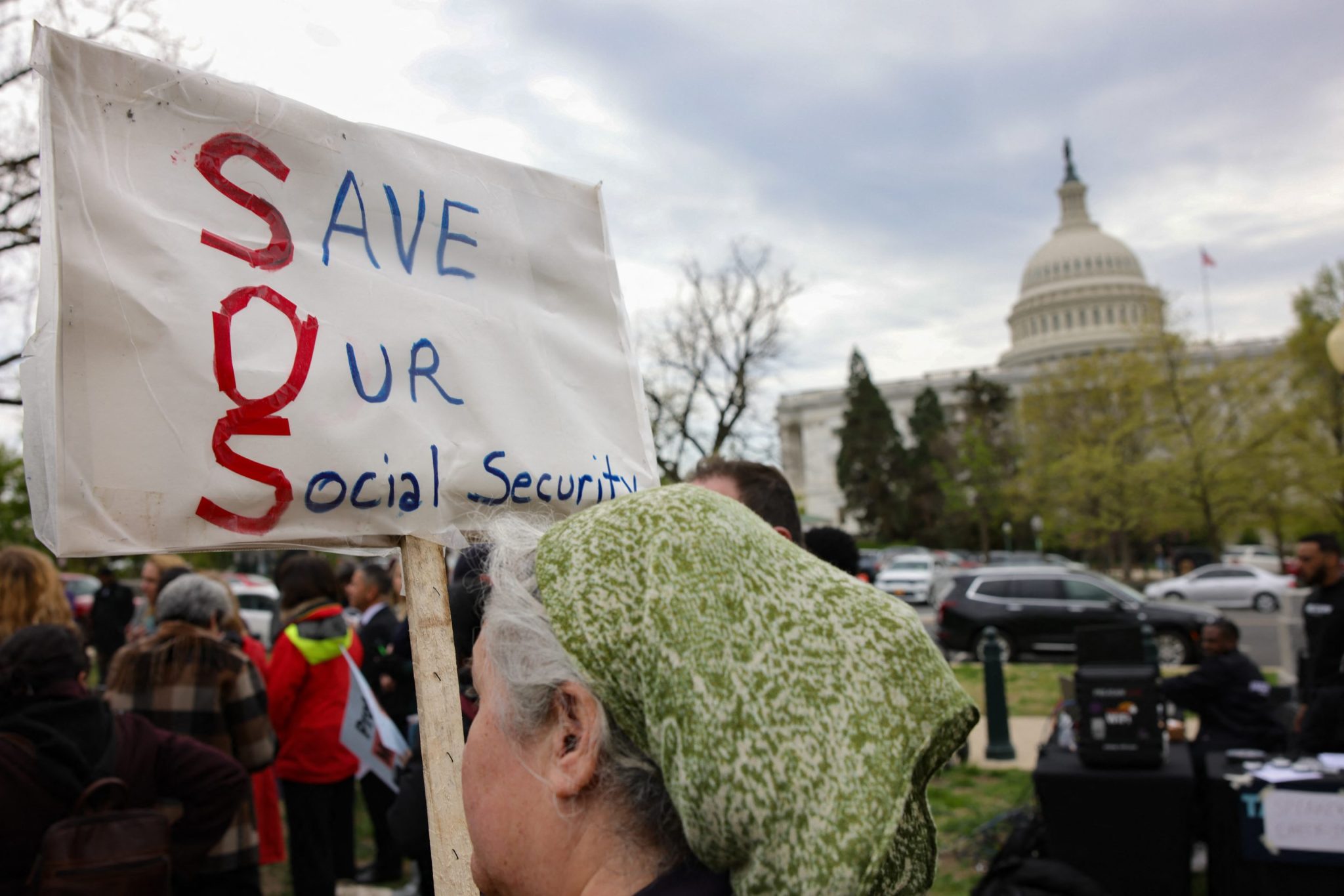
A new wave of senators, both Democrats and Republicans, have taken on the challenge of saving Social Security as they prepare to enter the next Congress. With the program's trust fund set to run dry by late 2032, an automatic 22% cut to benefits is projected unless Congress acts. The 17 incoming senators, all elected to full terms, will serve until January 2033, making the deadline for action during their tenure.
Juliana Stratton, D-Illinois, has proposed eliminating the wage cap on payroll taxes, which currently applies to the first $184,500 of a worker's earnings. Removing the cap would close about 58% of Social Security's projected 75-year funding shortfall. Josh Turek, D-Iowa, also backs removing the cap, but opposes raising the retirement age.
Adam Hamilton, D-Kansas, favors raising the earnings cap, arguing that those earning $1 million should pay more in Social Security taxes than those earning $184,500. Andy Barr, R-Kentucky, supports bipartisan reforms for younger generations, but did not specify specific tax or benefit changes. Troy Jackson, D-Maine, called for scrapping the payroll tax cap and increasing benefits, while Roy Cooper, D-North Carolina, opposes benefit cuts but has not specified how to fund the program.
Peggy Flanagan, D-Minnesota, backs Sen. Bernie Sanders' Social Security Expansion Act, which would apply payroll taxes to wages above $250,000, eventually eliminate the cap and raise benefits. Kurt Alme, R-Montana, suggests using savings from cutting waste, fraud, and abuse for Social Security, but did not propose changes to the cap or benefit formula.
Chris Pappas, D-New Hampshire, opposes raising the retirement age, cutting benefits, and privatization. James Talarico, D-Texas, wants to eliminate the payroll tax cap for people earning over $400,000, while Barry Moore, R-Alabama, and Harriet Hageman, R-Wyoming, both support ending federal income taxes on Social Security benefits.
Written by urgent.news from Fortune's reporting — not their text. Machine-written — may contain errors; check the original before relying on it.