4 open-source apps that convinced me to ditch software I thought I'd use forever
Proprietary software isn't always better.
For years, the reporter found themselves stuck in habits and unwilling to consider alternative software. They had always used the same solutions, without exploring better options. However, after actively seeking out more open-source applications, they discovered a range of free solutions that met their needs and exceeded their expectations.
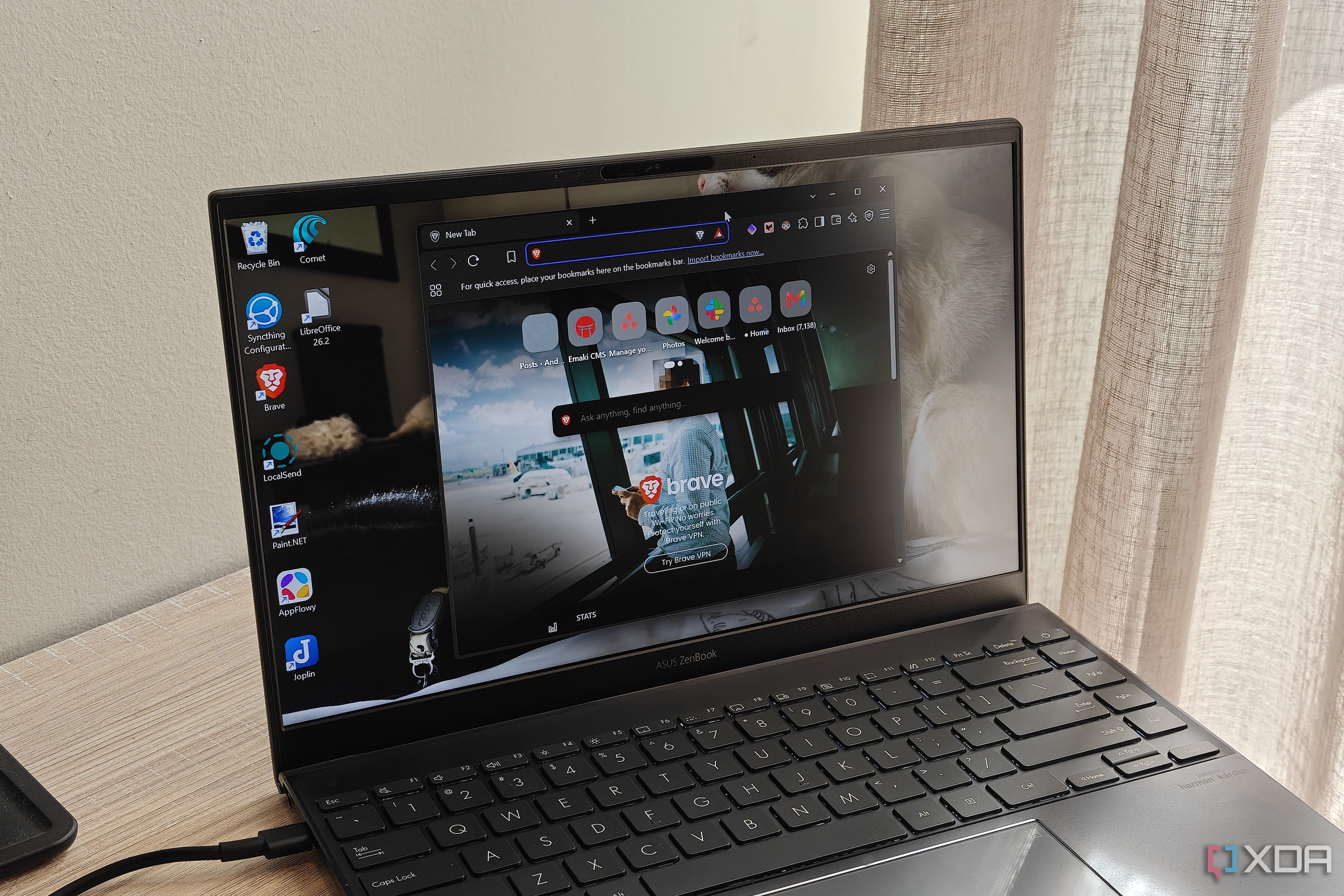
The browser space offered numerous open-source alternatives, but Brave stood out as the most convincing. It provided a privacy-focused approach, optional AI capabilities, and an integrated ad-blocker. The reporter first switched to Brave on their smartphone, appreciating its dark mode feature that forced dark mode on websites without an extension.
The ad-blocking capability was another deciding factor, leading to a more private online experience. After making the switch to Brave on their PC, they couldn't be happier with the results.
Firefox was another browser the reporter used for compartmentalization, particularly for watching series and YouTube. However, Brave quickly became their dominant browser for work and general browsing due to its compatibility with their favorite extensions and its seamless integration with Chromium.
When it came to productivity software, the reporter had long relied on Microsoft 365 subscriptions. However, the subscription fee felt unjustified, as they only used Word and Excel. After giving LibreOffice a try, they were pleasantly surprised by the functionality of LibreOffice Writer and Calc. Writer allowed them to create documents from scratch or use templates, while Calc included essential features such as formulas, filtering, and data visualization.
The only minor issue was the inconsistent dark mode rendering for documents, which the reporter had to work around due to their migraine sensitivity.
The reporter had been using Google Passwords for years, but decided to try Proton Pass after hearing about it. They were initially hesitant, but the process of switching over was surprisingly smooth. Proton Pass offered features like storing payment information, generating email aliases, and manually saving credentials under custom names.
While the paid plan unlocked additional features, the free plan was sufficient for their needs. The only drawback was the lack of dark web monitoring, which they compensated for with other tools.
Lastly, the reporter struggled with note-taking organization, often splitting their notes between Google Keep and Google Docs, resulting in a disorganized system. Notesnook proved to be the perfect solution, offering features such as locking notes with a PIN, adding formatting, attaching documents, and providing cross-device cloud syncing for free.
The reporter found themselves using the app so much that they even reprogrammed their phone's AI button to open Notesnook. They highly recommend Notesnook to anyone in need of a versatile note-taking app.
Written by urgent.news from XDA Developers's reporting — not their text. Machine-written — may contain errors; check the original before relying on it.