Why Robots Need Intelligence Built for the Physical World
Discover how Robbyant’s LingBot 2.0 connects perception, world modeling, and physical action to build embodied intelligence across different robot bodies.
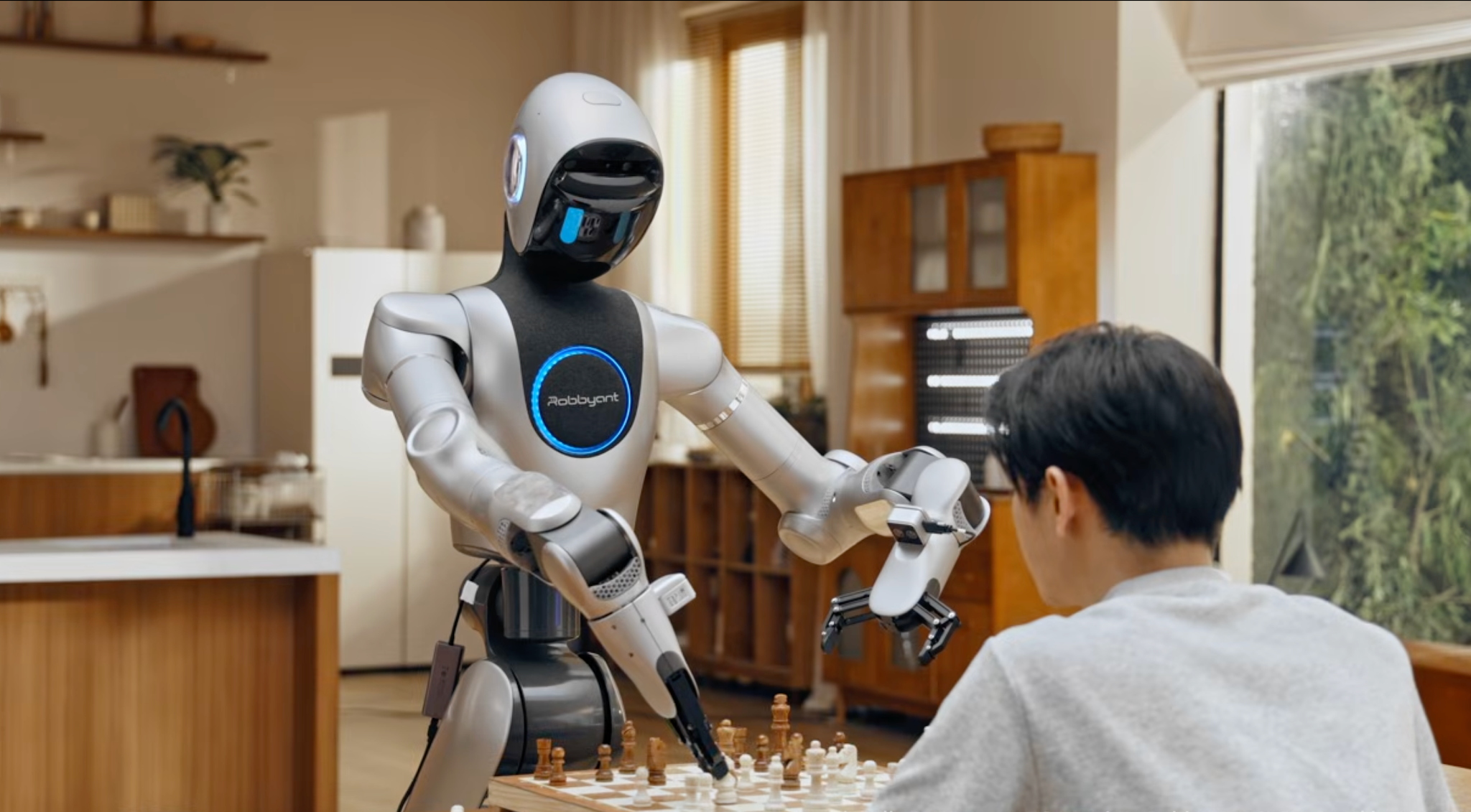
Robbyant's LingBot 2.0 is a prime example of embodied AI, prioritizing perception and physical action over traditional chatbot demands. Embodied AI must account for physical space and predict consequences of actions, making it a distinct engineering problem compared to static AI systems. Robbyant, a subsidiary of Ant Group, tackled this challenge by designing LingBot 2.0 with these demands in mind from the start.
The system's architecture revolves around six models working together as an embodied-native system. The first layer, "See Clearer," consists of LingBot-Vision and LingBot-Depth 2.0, which provide robots with spatial information about objects and their positions. This layer is crucial for understanding the environment before deciding how to interact with it.
The following layer, "Think Deeper," includes LingBot-Video and LingBot-World 2.0, which model physical environments and how they change over time, creating a "Think Deeper" layer.
The "Act Faster" layer, LingBot-VLA 2.0 and LingBot-VA 2.0, translates information from earlier stages into physical behavior. Unlike language or entertainment models, LingBot-VA 2.0 was built specifically for embodied AI, incorporating dynamic modeling and causal prediction into a real-time execution architecture. The challenge of latency is particularly relevant in this layer, as robots must respond quickly to maintain relevancy in their actions.
Robbyant's approach addresses the complexity of hardware differences by framing the goal as "building one brain for all robots." LingBot-VLA 2.0 integrates data from 20 different robot configurations from 17 brands, enabling cross-embodiment capabilities. The entire LingBot 2.0 system connects specialized capabilities, allowing embodied intelligence to develop across different robot forms.
To promote knowledge sharing, LingBot-VLA 2.0 and other selected models and technologies have been released as open source, accompanied by technical reports and research papers. This enables developers and researchers to inspect, reuse, and build upon Robbyant's embodied AI architecture. Ultimately, LingBot 2.0 represents a foundational step in creating a robot brain that operates effectively within physical space, understanding the consequences of actions, and adapting to various environments and configurations.
Written by urgent.news from HackerNoon's reporting — not their text. Machine-written — may contain errors; check the original before relying on it.