Why Doesn’t High Growth Feel Like Prosperity In India?
An Uber driver says he works longer hours than before yet takes home less money. After fuel, maintenance, loan instalments, and the platform’s deductions, little remains. His experience cannot establish how the entire economy is performing. But he asks a reasonable question: if India is growing rapidly, why is making a living becoming harder? It brings to mind the title of Erma Bombeck’s book,…
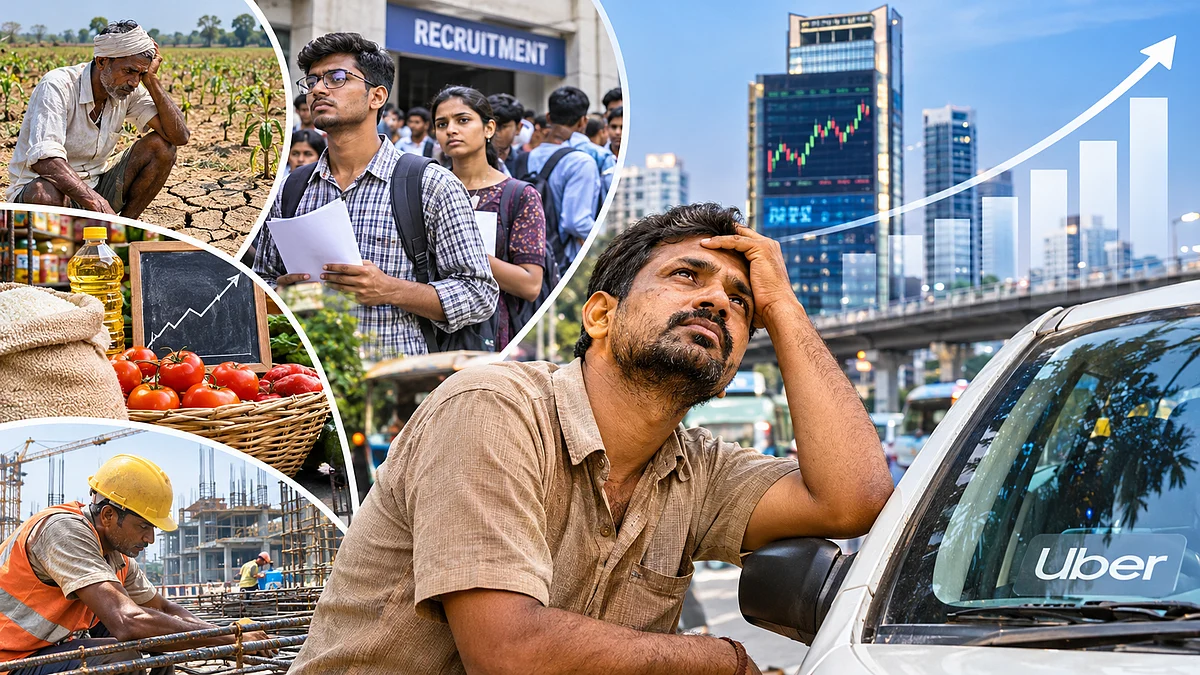
An Uber driver reports working longer hours, yet his earnings decrease after accounting for expenses and deductions. This raises a question: if India's economy is growing rapidly, why is it becoming harder for people to make a living? India's GDP grew by 7.8% in the April-June quarter, surpassing expectations. International agencies have revised growth estimates upwards for the entire year.
However, this growth does not necessarily translate into improved living standards or job security for everyone. A recent RBI survey found that 54.5% of respondents felt the economic situation had worsened over the past year, compared to 25.3% who believed it improved. Rural areas also show signs of unease, with only 20.6% of respondents reporting higher incomes than a year earlier, while 30.5% reported a decline.
Despite this, urban households remain optimistic about the future. The GDP measures overall production, but it does not show how widely the benefits are distributed or the impact on employment and living standards. Some forms of growth, such as capital-intensive activities and specialized services, may increase output while employing few people.
Corporate profits have risen faster than wages, but this does not equate to better job conditions for all. The composition of growth matters, as growth concentrated in certain sectors may not feel the same as an expansion that creates good jobs across various occupations and skill levels. The RBI governor has highlighted structural concerns, such as weak real rural wages and inadequate job creation.
However, rapid growth coexists with household anxiety, indicating that the benefits of growth are not sufficiently inclusive. Employment figures, including casual and family farm work, need careful examination as they often fail to capture the deteriorating working conditions and lack of income security. Long queues for limited government jobs reflect the unattractiveness of these alternative employment options.
Young people, who have invested in education and expect economic mobility, are particularly affected by the lack of stable employment. Household purchasing power also plays a role, as low inflation does not compensate for rising costs of living, such as food, rent, education, and healthcare. For farmers, local conditions like drought can undermine national growth, while high-profile sectors like the stock market may not reflect the broader economic situation.
Foreign investors have withdrawn significant funds, and disappointing investment returns have affected the confidence of the middle class. The government's consideration of tax relief for capital gains suggests recognition of the financial concerns. Overall, rapid GDP growth does not guarantee prosperity, as the benefits of growth must be more evenly distributed and inclusive for all segments of society.
Written by urgent.news from Free Press Journal's reporting — not their text. Machine-written — may contain errors; check the original before relying on it.