Where Did Stonehenge's Mysterious, Six-Ton Altar Stone Really Come From? Geologists Rule Out the Scottish Hypothesis as the Search Deepens
A comprehensive investigation of the sandstone megalith’s "geological fingerprint" suggests it did not originate in northeast Scotland, as a surprising study concluded in 2024, sending scientists back into the field to track down the enigmatic slab's origins
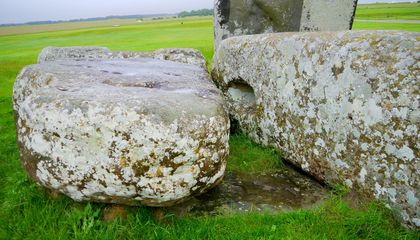
Scientists have taken a new approach in the quest to determine the origin of Stonehenge's enigmatic Altar Stone, after previously dismissed several potential locations. A groundbreaking study published in the Journal of the Geological Society offers the most comprehensive geological analysis yet of the monument's massive 6-ton sandstone slab.
For over a century, it was believed the Altar Stone had been quarried in Wales, but fresh research now suggests northeast Scotland may hold the key to its origins. An international team of researchers utilized a suite of advanced scientific tests, comparing the stone's structure, minerals, chemical makeup and isotopic signatures against those of fragments in museum collections.
While the search in the Orcadian Basin of northeast Scotland so far has not uncovered a match for the Altar Stone's unique characteristics, the researchers remain optimistic that their detailed geological fingerprint will soon narrow down the potential source area. The stone's distinct chemical makeup could shed light on its remarkable journey to Salisbury Plain thousands of years ago, offering fresh insights into this prehistoric engineering marvel.
Written by urgent.news from Phys.org's reporting — not their text. Machine-written — may contain errors; check the original before relying on it.
This story
This is one outlet's version. Read the fullest account.