What you need to know about 2 Joseon-era cookbooks that won UNESCO recognition
Among the many surviving books from the Joseon Dynasty (1392-1910), "Suunjapbang" and "Eumsikdimibang" stand out as valuable records of the country's culinary heritage. Meaning various ways to entertain refined gentlemen, "Suunjapbang" is a collection of recipes documenting the food culture of aristocratic households in Andong, North Gyeongsang Province. First written by Confucian scholar Kim Yu…
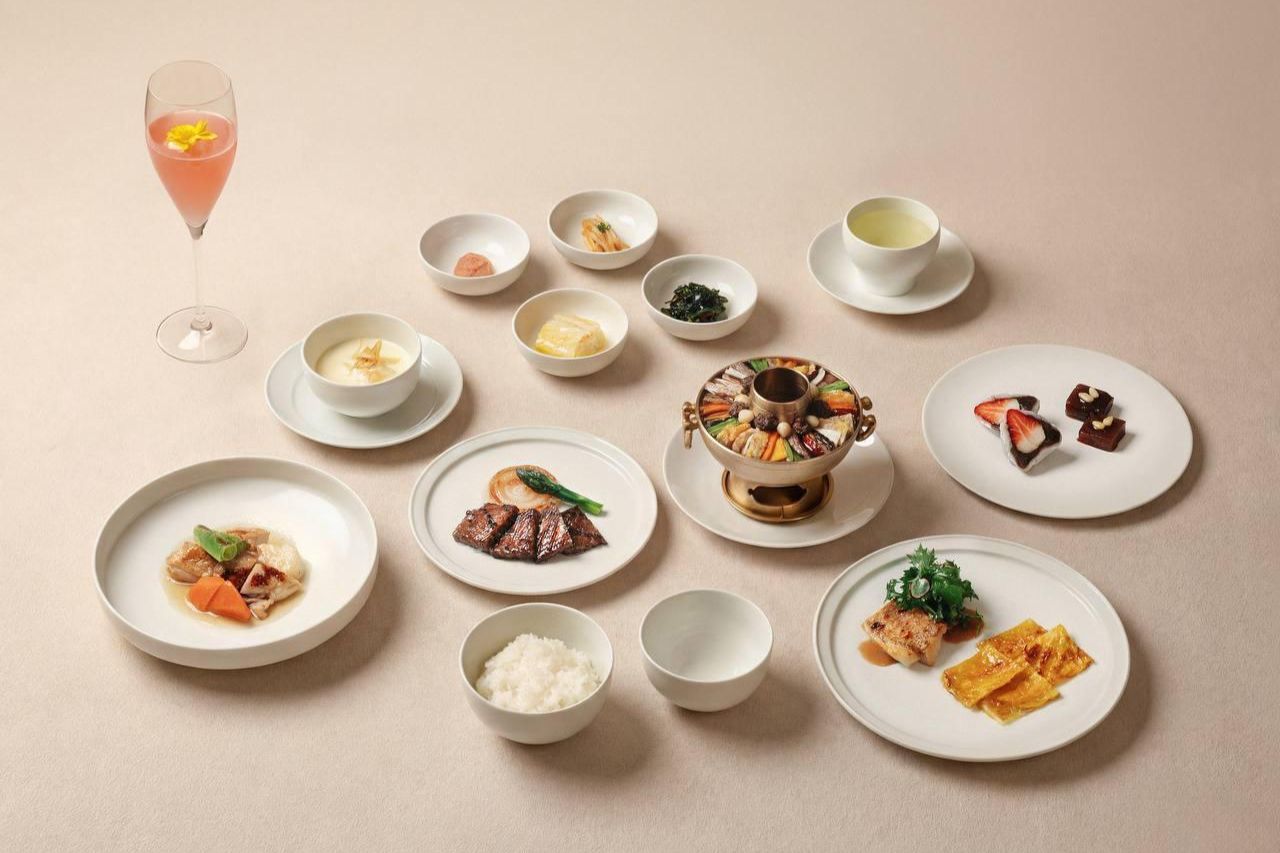
Two Joseon-era cookbooks, Suunjapbang and Eumsikdimibang, have been granted UNESCO recognition for their important contributions to understanding the culinary heritage of Korea. Suunjapbang, meaning various ways to entertain refined gentlemen, was first compiled by Confucian scholar Kim Yu in the 16th century and later expanded by his grandson Ryeong in the 17th century.
Eumsikdimibang, meaning correct ways to appreciate food taste, was created around 1670 by Lady Jang, the wife of scholar Lee Si-myeong. Both books were jointly inscribed on UNESCO's Memory of the World Asia-Pacific Regional Register on Thursday, highlighting their historical and cultural significance. With this inscription, Korea now holds eight entries on the regional register.
The two cookbooks share a common connection as they both document the culinary traditions of the Andong area in North Gyeongsang Province.
Written by urgent.news from The Korea Times's reporting — not their text. Machine-written — may contain errors; check the original before relying on it.
This story
This is one outlet's version. Read the fullest account.