What will London look like in 2050?
To remain globally competitive while adapting to a changing climate and the GLA’s draft London Plan, the Square Mile must embrace tree-lined streets, living walls, and retrofitted skyscrapers, says Gregg Pitt London is used to change, transforming from a Roman settlement into a global financial centre. The GLA’s draft London Plan gives a good indication [...]
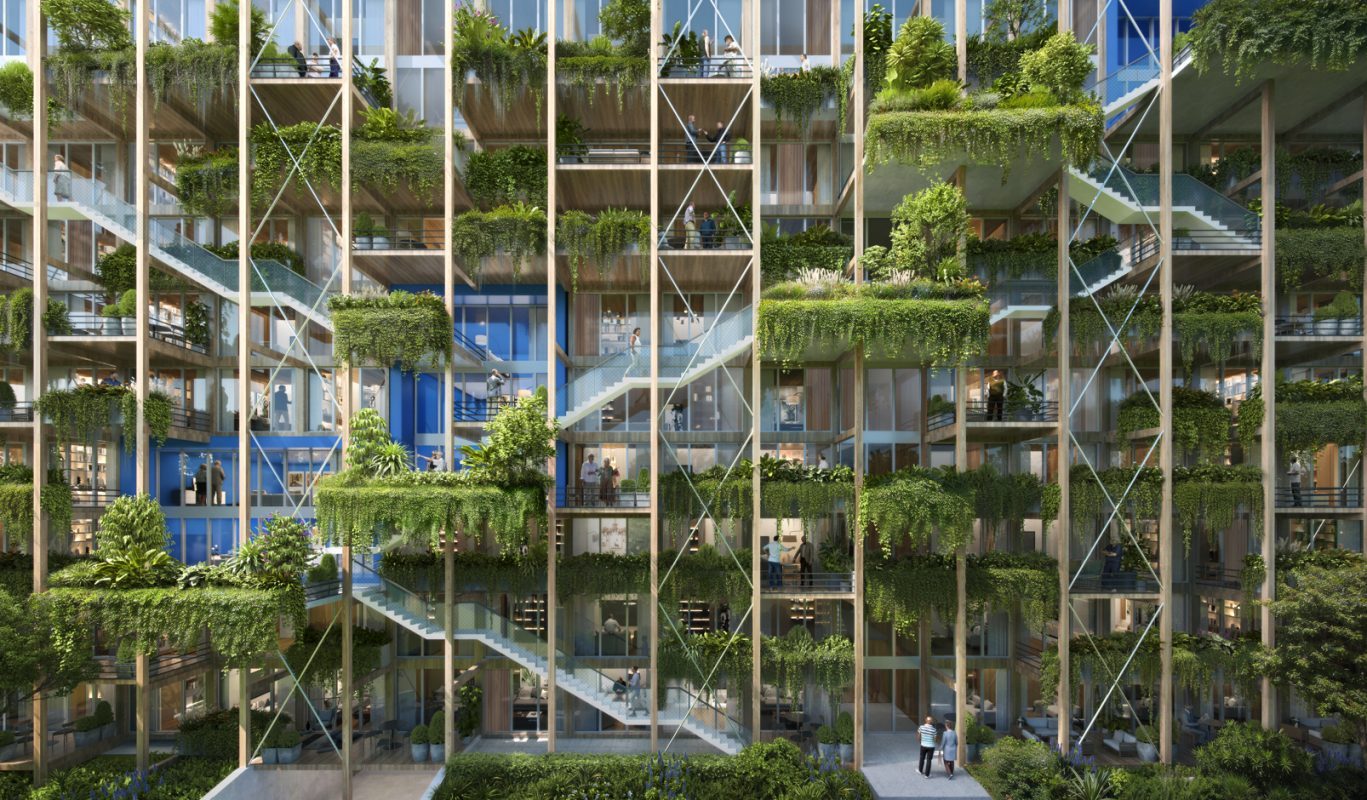
London faces the prospect of 40C heatwaves by 2050, necessitating bold steps from planners and architects to keep the Square Mile competitive and resilient. While the draft London Plan envisions a greener, denser future, the city's limited green spaces mean creative solutions are required. Integrating nature into streets and skyscrapers – through tree-lined cycle lanes, living walls, and rooftop gardens – can provide much-needed microclimates, improve air quality, and boost biodiversity.
Using public spaces to enhance resilience, as seen in Denver's 16th Street, can also create a more vibrant city. In the face of extreme weather, greener buildings can help manage rain and flooding, while also cooling the urban environment. Examples from cities like Singapore and Canary Wharf show that integrating nature into the built environment can enhance both climate resilience and commercial value.
To remain a world leader in finance, London must adapt and evolve, embracing green infrastructure to ensure a sustainable, thriving future.
Written by urgent.news from City AM's reporting — not their text. Machine-written — may contain errors; check the original before relying on it.