What Cybertruck winddown means for Tesla?
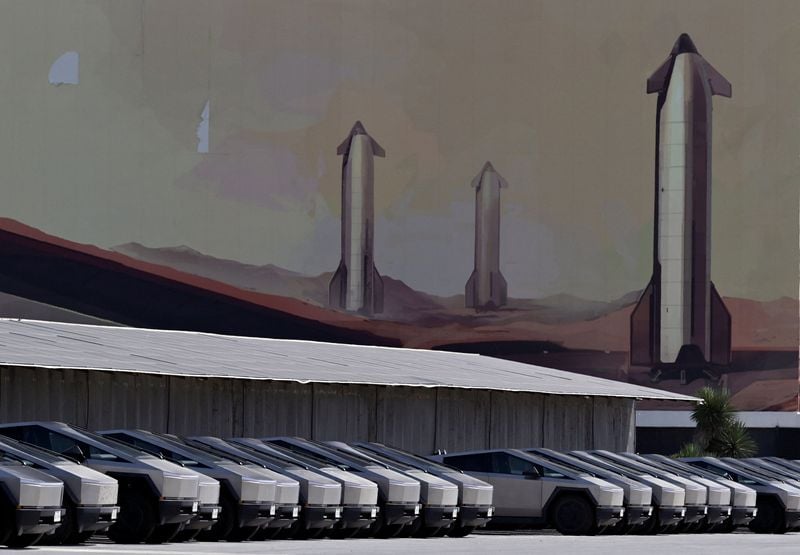
Tesla's Cybertruck production is winding down, with the electric vehicle maker selling only 20,237 units in the US in 2025—a 48% decrease from the previous year. While this represents a significant drop in revenue compared to Tesla's original ambitious target of 250,000 units per year, the financial impact appears to be limited.
The decision to scale back Cybertruck production is strategically significant. Around mid-2027, Tesla is expected to cease manufacturing the truck at its Gigafactory in Texas, freeing up capacity to focus on the development of autonomous vehicles. This shift suggests that the Cybertruck never lived up to its potential as the growth engine that Tesla once promised.
However, reallocating resources from Cybertruck production to Cybercab—Tesla's autonomous vehicle initiative—could improve factory utilization if demand for the latter grows. Moreover, robotaxis have the potential to generate recurring mobility revenue, unlike the one-time sales model of vehicles like the Cybertruck.
The move also highlights the technology advancements gained from Cybertruck development. Tesla claims that the work on the truck created an autonomy-ready platform that could benefit future products.
Yet, the transition to robotaxi production is not without risks. Cybercab remains a small-scale program, and regulatory approval, as well as safety scrutiny, could delay wider deployment. Additionally, Tesla faces potential credibility issues as another high-profile product miss adds to concerns about the company's ability to meet its forecasts.
While the Cybertruck winddown is financially manageable, it serves as a clear strategic signal that Tesla is pivoting towards AI, autonomy, and robotics. The critical question moving forward is whether Cybercab can transform factory capacity into a reliable source of recurring revenue before investors lose interest in the company's long-term prospects.
Written by urgent.news from Investing.com's reporting — not their text. Machine-written — may contain errors; check the original before relying on it.