What Can the Great Books Teach Us?
Students need to learn how to engage deeply with the age-old query: What is life for?
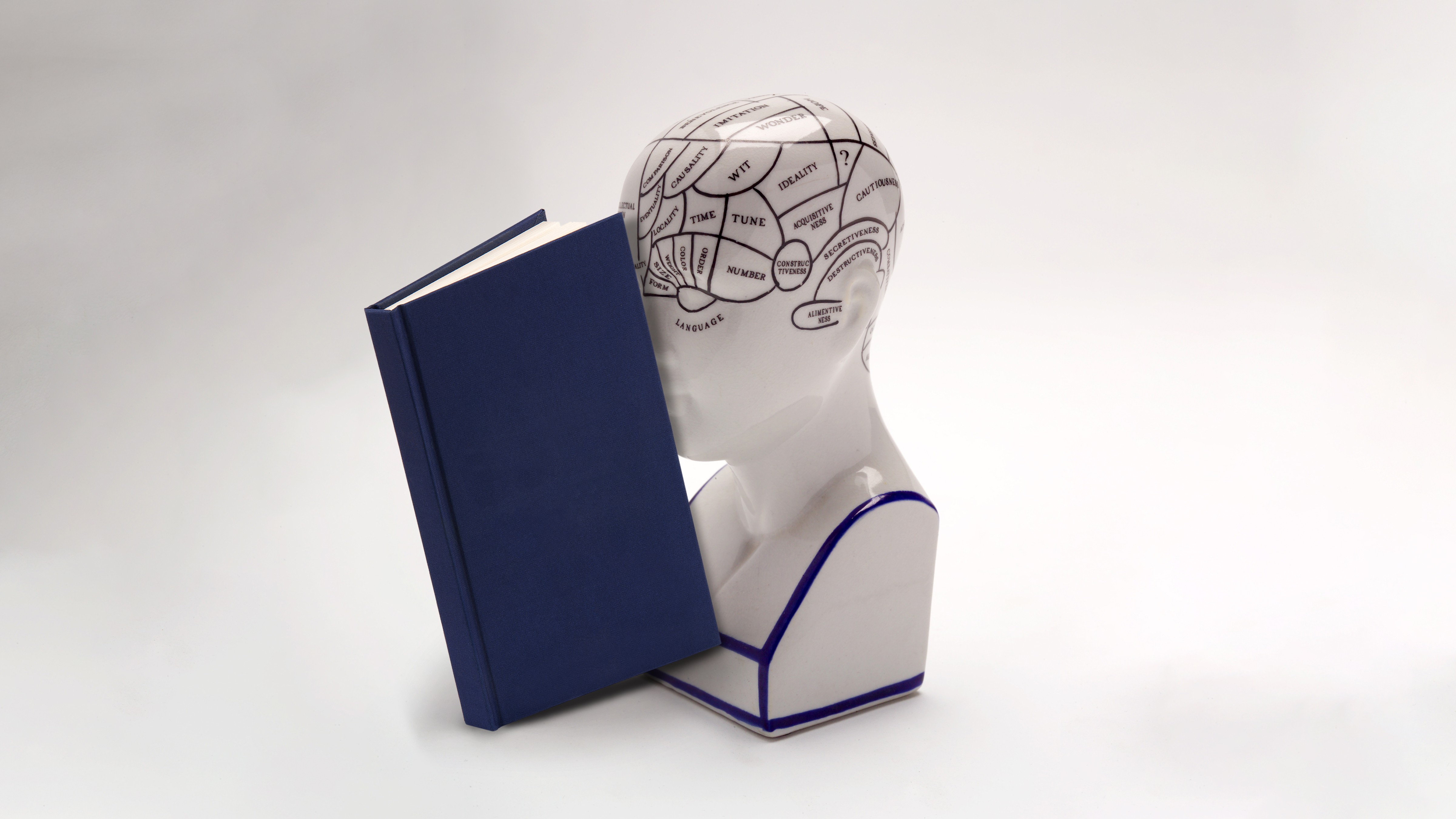
In a new Atlantic essay, Joshua Bennett, a literature professor at MIT, argues that a foundational humanities education should be provided to all students, including those majoring in science. The essay highlights the importance of studying the works of brilliant thinkers to develop critical thinking skills. Bennett emphasizes that humanities departments across the country are facing challenges and being reduced or eliminated, making it crucial to maintain such educational programs.
He also discusses the potential consequences of relying solely on technological advancements, such as the rise of AI, and how the humanities can help students identify and appreciate irreplaceable ideas during times of accelerated change. Bennett contends that studying classic literature and philosophy can help students ponder the meaning of life and distinguish between shallow truisms and thoughtful ideas.
The essay also includes a list of recommended books, including "The Perfectionists" by Simon Winchester, which explores the history of precision engineering and its implications for modern technology. Additionally, the article mentions two upcoming book releases, "The Land of Tears and Hope: The Ukrainian Story" by Illia Ponomarenko and "Vocal Break: On Women, Music, and Power" by Lauren Elkin.
Written by urgent.news from The Atlantic's reporting — not their text. Machine-written — may contain errors; check the original before relying on it.