From brewer to master brewer: Paulaner defies the beer crisis with Spezi
Many breweries are doing badly because people are drinking less and less beer. Paulaner, on the other hand, is benefiting from the hype surrounding a sweet drink - and now wants to bring it to Switzerland.
Many breweries face difficulties due to declining beer consumption among consumers. Paulaner, however, benefits from the trend of a sweet drink – and now aims to bring it to Switzerland. Paulaner's identity often leads them to be unpopular among competitors. The story began in the early 17th century in a Munich monastery, where monks brewed a strong beer meant as a food substitute.
According to an old church rule, "Liquida non frangunt ieiunium" – liquid does not break the fast. The monks would give away excess beer to the poor or sell it in the monastery taverns, causing resentment from Munich's civil brewers who complained to the city. This gave Paulaner a unique identity, wanting to do things differently.
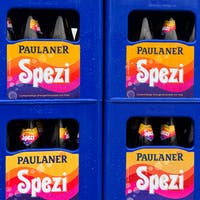
Many competitors might now envy Paulaner. While other breweries close due to falling beer consumption, Paulaner's production lines work at full capacity daily, bottling up to 700,000 bottles. To meet demand, the company has acquired other breweries in recent years. The secret to success lies in breaking a taboo: in one-third of Paulaner's bottles, there is no beer, but a sweet drink called Spezi.
This non-alcoholic mixture of cola and orange lemonade has been part of the company's lineup since the 1970s, initially sold mainly in Bavaria. Recently, the drink has become a hype product across Germany, especially among the younger generation. Influencers showcase Spezi at parties or social gatherings on social media, and a polo shirt featuring the drink's signature color wave sold out within minutes this summer.
Paulaner's Spezi sales have quintupled in a decade. With the cola mix's success, the company also developed other sweet drinks such as orange and lemonade. Now, Paulaner wants to export the Spezi trend. Since 2024, the product is available under the name "Sunset" in the US, and this year it was launched in Spain, Italy, France, Poland, and Switzerland, sold at major retailers like Coop or Migros, and some restaurants.
Paulaner's executives are exceeding their own goals. The company plans to further expand Spezi's presence in Switzerland, aiming for a launch in Austria in 2027. Christian Dahncke, Paulaner's first Braumeister at Langwied, initially expected the plant to be fully utilized by the mid-2030s. However, this goal has already been achieved thanks to the expansion of sweet drinks.
Dahncke considers brewing a good Weissbier with his team as the most rewarding part of his work, as brewing takes three to four weeks, while a soft drink can be mixed in just two hours. Dahncke notes the clear long-term trend: people drink less beer now, with annual per capita consumption in Germany falling to 84 liters, down from nearly 100 liters a decade ago.
The golden days of post-work beer consumption are gone, and Dahncke doubts they will return. Despite the challenge, Paulaner has managed to grow slightly in beer sales, but sweet drinks are becoming increasingly important, Dahncke says: "Ultimately, this secures our future." That's why Dahncke is just as proud of Spezi as his beer.
Other brewers might mock him for such statements, as one recent example shows: a new business card was given to Dahncke with "First Juice Master" written on it. Dahncke laughs, perhaps attributing some envy to this campaign. As Paulaner's CEO, Jörg Biebernick, leads the transformation of the Munich brewery, he feels particularly at home here.
For example, he enjoys drinking one of his own house lemonades as an alternative to orange juice at lunch or tea time. Biebernick sometimes adds a Spezi Zero to his lunches and drinks regular beer occasionally, sometimes with and sometimes without alcohol. "You have to be careful not to look too sober," he says. Biebernick attributes the success of Spezi to its unchanging recipe and familiar appearance.
The label still shows the colorful wave from the 1970s, and the most popular bottle design remains unchanged.
Written by urgent.news from NZZ Wirtschaft's reporting — not their text. Machine-written — may contain errors; check the original before relying on it.