Vietnam urban areas in new development era
Contributing approximately 70 per cent of the country s GDP Vietnamese cities still face many limitations in planning infrastructure and governance requiring them to innovate development models in the coming period
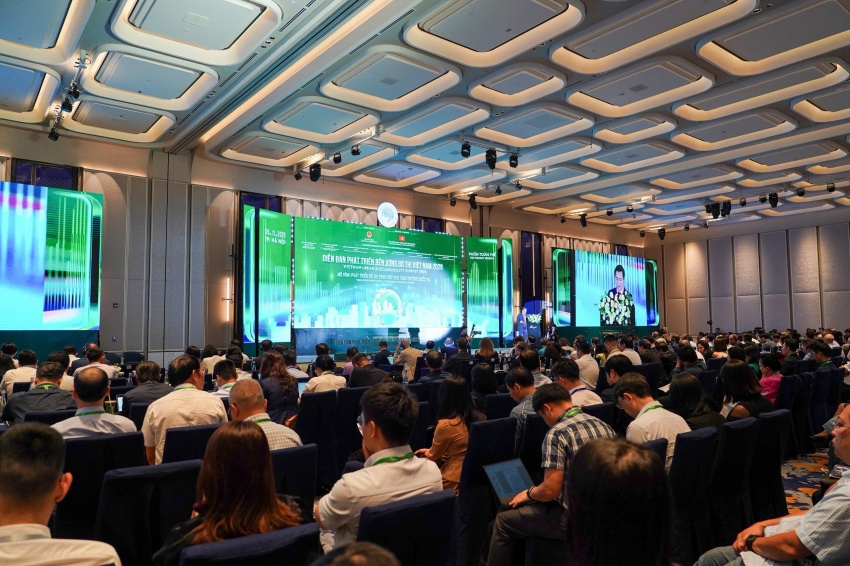
The Vietnam Ministry of Construction, in partnership with the Central Policy and Strategy Committee, hosted the Vietnam Urban Sustainability Summit 2026 on November 6. The summit, coinciding with Vietnam Urban Day (November 8), convened policymakers, experts, and the business community to discuss the role of cities in economic growth, urbanisation limitations, and innovation in urban development models, planning, resource mobilisation, and governance in the new era.
Deputy head of the Central Policy and Strategy Committee, Nguyen Ngoc Tuan, emphasized that Vietnam is entering a new phase of development, targeting an average economic growth rate of 10 percent or higher between 2026-2030 and beyond. He highlighted that urbanisation and urban development are crucial, not only for population concentration and production but also for resource convergence, market connectivity, scientific and technological applications, and labour productivity enhancement.
Vietnam currently has 910 urban areas, with an average housing floor area of over 30 square metres per person. While urban systems development has led to increased connectivity and expanded development space, the quality and effectiveness of urbanisation have not matched its potential. Some localities heavily rely on expanding construction space, land exploitation, and real estate investment without direct connections to high-productivity and innovative economic sectors.
Additionally, planning implementation remains limited, with issues like unsynchronised infrastructure, traffic congestion, flooding, environmental pollution, and insufficient green spaces.
To address these challenges, Deputy Minister of Construction, Nguyen Tuong Van, announced government Decision No.2116/QD-TTg, approving the national smart city development plan for 2026-2030, with a vision to 2035. The plan aims for all cities to develop and implement smart city projects by 2030, establish a shared urban database, and create an integrated, unified, and interconnected urban governance platform.
Anacláudia Rossbach, executive director of the United Nations Human Settlements Programme, praised Vietnam's ambitious direction, stating that the next stage of urbanisation must focus on creating more productive, connected, liveable, and resilient cities that make better use of land and infrastructure, mobilise investment effectively, and ensure inclusive growth opportunities for generations and across the country.
Written by urgent.news from Vietnam Investment Review's reporting — not their text. Machine-written — may contain errors; check the original before relying on it.