US military expands Pacific cyber hub to counter risks to undersea cable networks
The US military has expanded its cybersecurity presence in Hawaii and set up a regional centre to better detect threats and disruptions to its Pacific communications networks. The new initiatives come amid US accusations of Chinese cyber operations targeting critical infrastructure, including on Guam, and concerns about the security of undersea cables linking the Pacific to the US mainland.…
The US military has bolstered its cybersecurity presence in Hawaii to bolster defenses against potential threats to its Pacific communications networks. This expansion is part of the Cyber Defence Forces Pacific initiative, which relocates personnel from Maryland to Hawaii to bolster cybersecurity measures in the region. General Smith, head of the US Pacific Command, disclosed that these additional personnel will be stationed at the Defense Information Systems Agency's Pacific command and tasked with monitoring military communications networks.
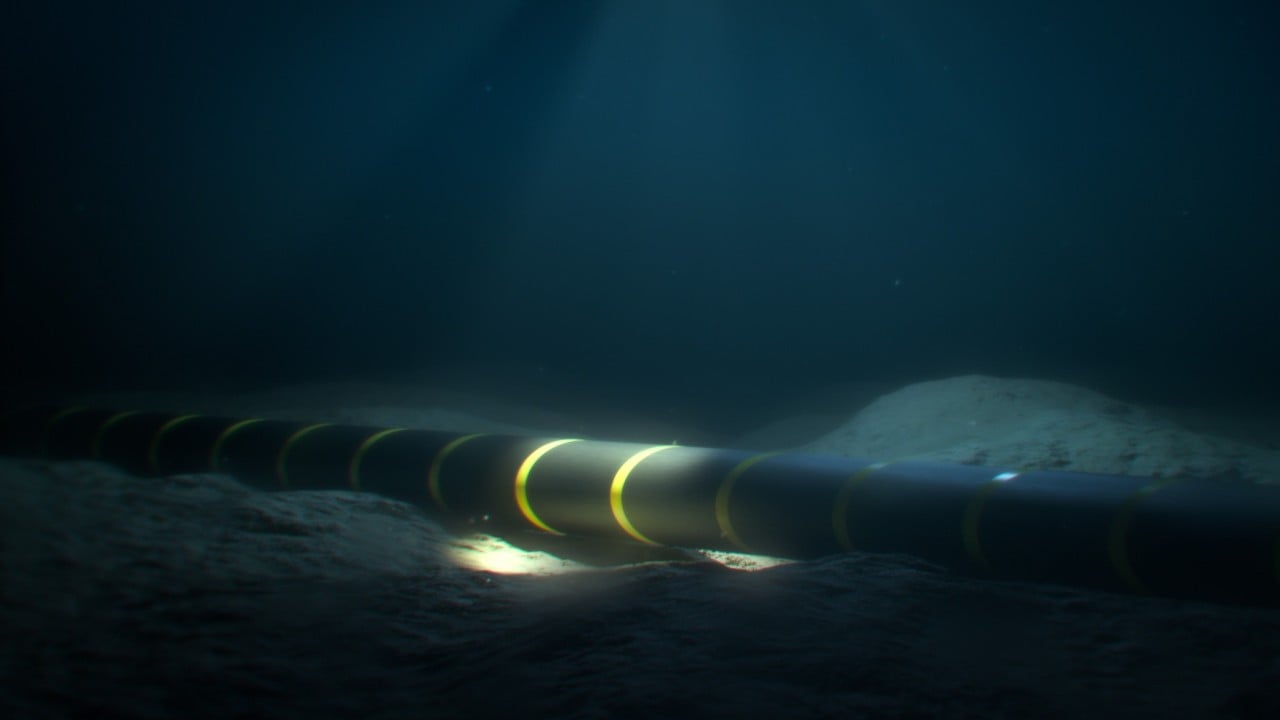
A new regional centre has also been established to monitor military communications networks, aiming to detect issues such as undersea cable damage, electromagnetic spectrum problems, and service outages affecting Pacific operations. Most cross-ocean internet traffic relies on undersea cables, which, if disrupted, can lead to communication blackouts or force data to reroute, impacting operations globally.
The setup of this centre comes in response to growing concerns over the security of undersea cables, which carry critical data links between the US mainland, Hawaii, and Guam. Colonel Michael Hlad, head of DISA's Pacific field command, revealed that an earlier assessment found US forces were "not necessarily postured right" to handle regional threats. The new centre is expected to augment personnel numbers by approximately 20%.
A September report by the China Strategic Risks Institute cautioned that while most undersea cable damages stem from accidents or natural events, China is developing the capability to disrupt this vital infrastructure. The report highlighted that the routes connecting the US mainland, Hawaii, and Guam are particularly vulnerable due to limited alternatives.
The US has also intensified scrutiny of undersea communications infrastructure, implementing measures like stricter submarine cable regulations by the Federal Communications Commission to limit Chinese involvement in cable equipment provision. Previous accusations targeted a group linked to the Chinese state, known as Volt Typhoon, for hacking critical infrastructure, including on Guam.
China has consistently denied these allegations, with its foreign ministry spokesman accusing the US of spreading misinformation after seizing domains linked to Chinese hackers. Beijing has also expressed worries over undersea infrastructure vulnerabilities, with researchers at the National Defence University warning about risks posed by inexpensive unmanned systems.
In addition to these efforts, the US aims to enhance secure communications by integrating various military networks, making coordination more efficient during joint operations, including those involving allies like Japan. The Cyber Defence Forces Pacific initiative, tested during a recent US-Japan command-post exercise, seeks to streamline cybersecurity efforts across allied nations.
Likewise, US and Japanese defense ministers agreed to strengthen joint efforts against malicious cyber activities, contributing to broader allied initiatives to reinforce communications essential for coordinated military operations across the Pacific.
Written by urgent.news from South China Morning Post's reporting — not their text. Machine-written — may contain errors; check the original before relying on it.