US and Brazil deliver double blow to the populist right. Will Europe feel the impact?
In the space of roughly 10 days, the two largest democracies in the Americas delivered setbacks to the populist right. In Brazil, Luiz Inacio Lula da Silva staged a narrow but remarkable comeback, defeating Flavio Bolsonaro, the son of former president Jair Bolsonaro, in a run-off election after trailing in the first round. This week, American voters handed control of both chambers of the US…
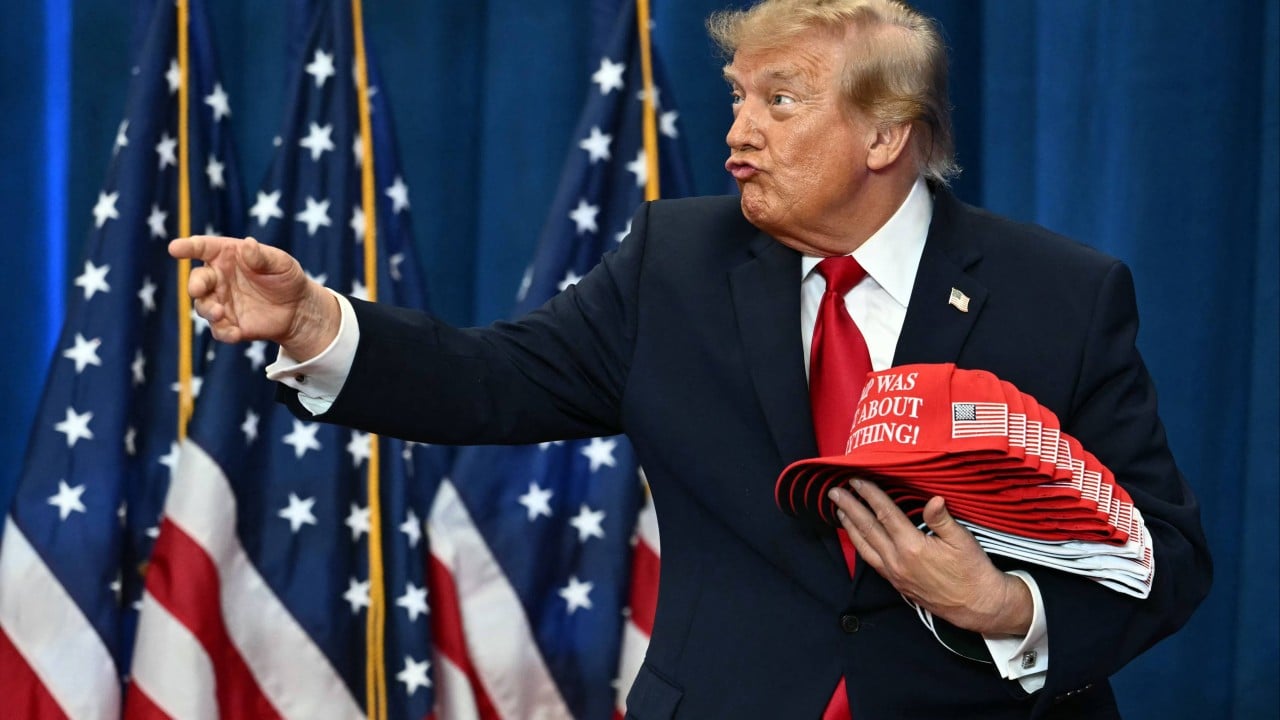
In just over a week, the two largest democracies in the Americas dealt significant blows to the populist right. In Brazil, Luiz Inacio Lula da Silva narrowly defeated the son of former President Jair Bolsonaro in a run-off election, following a disappointing showing in the first round. Meanwhile, Americans delivered control of both chambers of Congress to Democrats, a sharp rebuke of candidates associated with former President Donald Trump's "Make America Great Again" campaign.
These results challenge the persistent global rightward trend that has dominated much of the past decade, potentially reflecting a broader sentiment of anti-incumbency as voters punish leaders for failing to deliver on economic and service promises. John Feffer of Foreign Policy in Focus noted that the rise of candidates promising sweeping change has resonated with voters in today's social media-driven political climate.
However, Feffer cautioned that the far-right movement poses a unique threat by challenging democratic norms that enabled its rise. Europe is now the next battleground, with Spain's Prime Minister Pedro Sanchez drawing parallels between the US midterm elections and his own country's upcoming snap election in November. Sanchez highlighted the rejection of policies benefiting the elite in both the US and Brazil, suggesting a similar trend could emerge in Spain.
While populist candidates have encountered obstacles in the Americas, the right-wing wave in Europe remains resilient and continues to expand its influence, particularly in France and Germany. Marine Le Pen's National Rally has transformed from a fringe party into a major force in France, while the Alternative for Germany (AfD) has made substantial gains, especially in the eastern regions.
Despite Trump's support for European right-wing leaders and his attempts to align with them, these movements have distanced themselves from him following their electoral setbacks and growing unpopularity across the continent. Trump's endorsement of populist candidates in Latin America, such as Argentine President Javier Milei and Brazilian President Jair Bolsonaro, has also faced criticism, as ties with other right-wing leaders have soured over disagreements on trade, Ukraine, and foreign policies.
Analysts warn that the rightward shift in Latin America may be more fragile than it appears and could not endure as long as initially anticipated, citing Bolsonaro's defeat in Brazil and signs of political instability in other right-wing-led nations. The roots of the modern right-wing populist wave can be traced back to the 2016 Brexit vote and Donald Trump's election, marking a turning point in a political shift driven by ultranationalism and anti-establishment sentiment.
Written by urgent.news from Reuters Business via SCMP's reporting — not their text. Machine-written — may contain errors; check the original before relying on it.