The jury's still out on who and what a touchscreen MacBook Pro is for
As Apple's new MacBook Pro with PROLED XDR Display laptops go on sale, I'm still at a loss as to who these multi-thousand-dollar laptops are really for, and whether Apple even knows the answer to that question itself. Touchscreen laptops are here, whether they'll be used or not - Image Credit: Apple These laptops, which sit above the already exceptional MacBook Pro in Apple's lineup, start at…
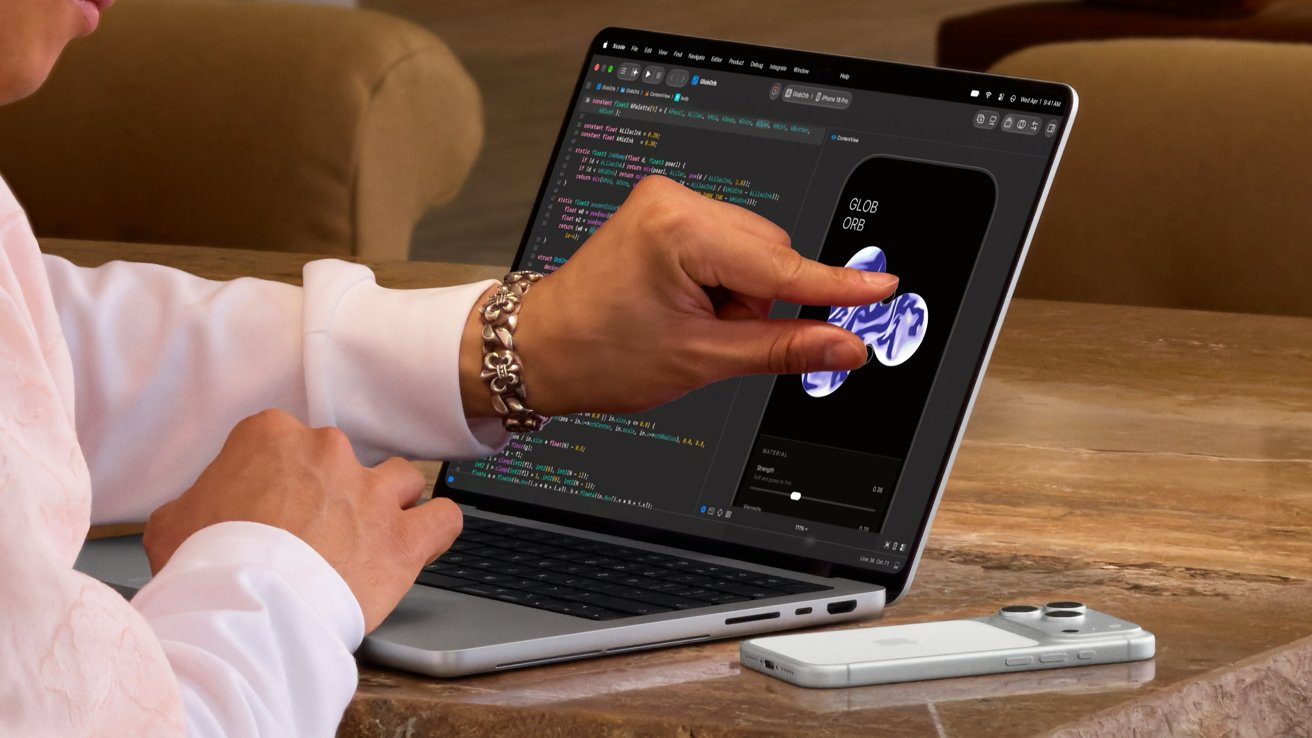
Apple's new MacBook Pro with PROLED XDR Display laptops have just hit the market, but it's unclear who these pricey laptops are truly designed for, or even if Apple itself knows the answer. Starting at $2,899 for the 14-inch model and at least $3,399 for the 16-inch version, these laptops cost hundreds more than their comparable MacBook Pro counterparts.
Despite using the same powerful M5 Pro and M5 Max chips, SSD, and unified memory, the standout feature is the PROLED XDR OLED display. This display promises excellent color accuracy and brightness, perfect for creatives and professionals working with multiple 4K and 8K video streams. However, Apple emphasized the touchscreen functionality during a media event showcasing the new laptops to influencers and YouTubers.
The touchscreen is intended for those accustomed to using touchscreens on their iPads, but the high price tag of $3,000 for the PROLED MacBook Pro raises questions about its target audience. While it may appeal to creatives and professionals who work with high-resolution video, the touchscreen aspect may not be widely adopted due to the hefty cost, making it a questionable choice for most consumers.
Written by urgent.news from AppleInsider's reporting — not their text. Machine-written — may contain errors; check the original before relying on it.
This story
This is one outlet's version. Read the fullest account.
- PROLED touchscreen MacBook Pro review roundup: fantastic screen, touch is secondary appleinsider.com
- The touchscreen MacBook Pro is a winner theverge.com