Tdarr shrank my media library by a third, and I can't tell the difference on my TV
I got terabytes back without deleting movies or buying another drive
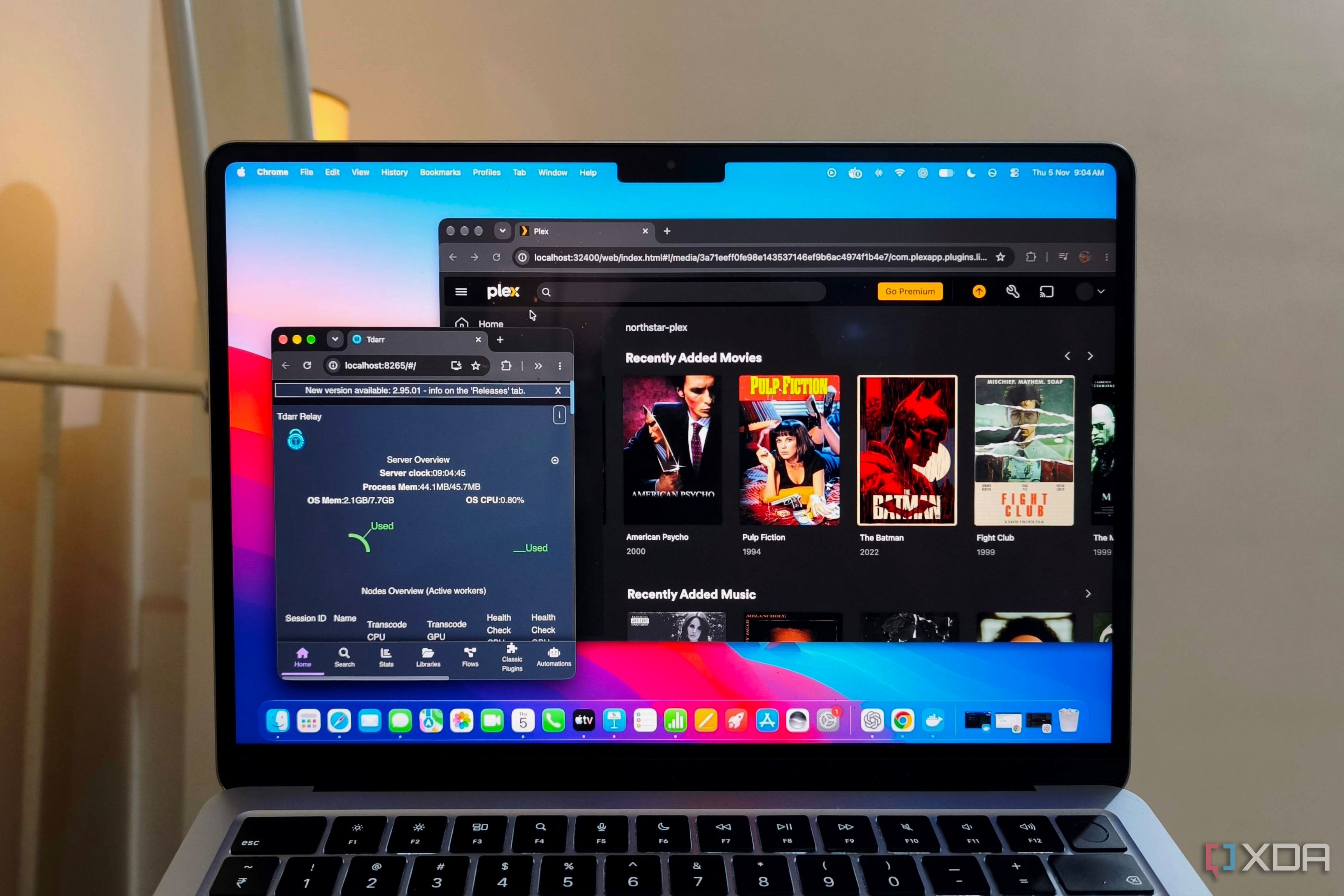
My home media server contained a large collection of movies, backups, and documents. I wanted to keep everything without buying a new drive in 2026, so I turned to Tdarr to optimize the storage. This software automatically re-encodes files using user-defined settings, saving space without degrading video quality on my TV. By pointing Tdarr at my library, setting rules, and letting it work its magic, I managed to shrink my library by roughly a third.
I couldn't tell the difference when watching the converted files on my television. Different video codecs and encoding settings mean even movies with the same resolution can take up varying amounts of space. HEVC, also known as H.265, provides more efficient compression than H.264, making older H.264 files suitable for conversion.
Tdarr handles these conversions using FFmpeg or HandBrake, eliminating the need to manually add movies to a queue. The setup involves a server managing the library and a node performing the encoding, which can run on the same machine or on a more powerful computer dedicated to the task. Assigning a cache folder for Tdarr's temporary output and selecting appropriate encoder and quality settings are crucial for optimal results.
After testing with a few movies and comparing the originals, I applied the configuration to the entire library, freeing up terabytes of space. While some files shrink more than others, depending on the video codec and source content, the overall reduction in storage space was significant. Not only did I save storage, but I also couldn't detect any loss in video quality, making the reduction worthwhile.
Tdarr can monitor media folders for new additions and apply the established rules, ensuring a seamless conversion process. It's essential to test the configuration thoroughly, checking for compression artifacts, banding, and other visual issues that may indicate quality loss. For HDR and Dolby Vision files, special considerations are necessary to preserve metadata.
Additionally, Tdarr allows users to set processing windows and limit the number of workers, helping to manage resources during encoding.
Written by urgent.news from XDA Developers's reporting — not their text. Machine-written — may contain errors; check the original before relying on it.