Sylvester Stallone is still desperately trying to curate his public image, on and off screen
Sylvester Stallone wasn't involved with I Play Rocky, but it's in line with how he's rewritten his own history.
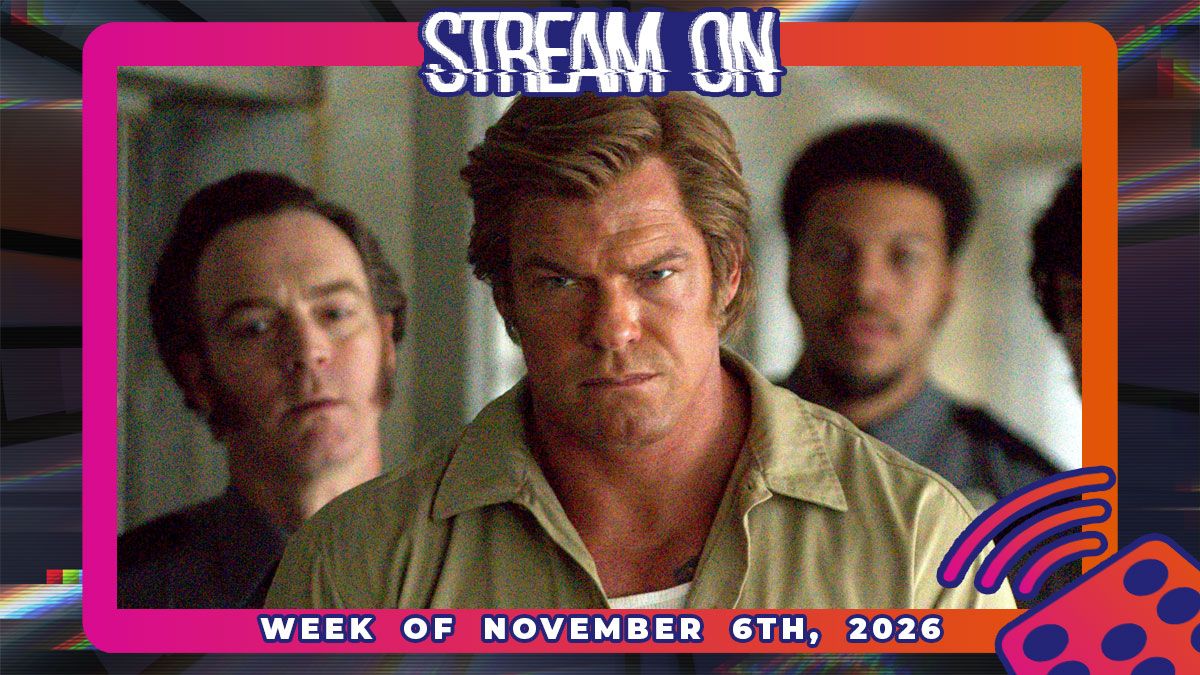
Sylvester Stallone remains dedicated to shaping his public persona, both before and after the release of his biopic, I Play Rocky. In a September promotional interview for his memoir, The Steps, Stallone initially expressed doubt about the timeliness of the biopic, questioning whether it was "jumping the gun." However, after watching a video of newcomer Anthony Ippolito portraying a young Stallone, Stallone changed his mind, remarking that he believed the video was a genuine representation of himself.
Despite his background in curating his public image, Stallone admits he did not collaborate with the creators of I Play Rocky, a biopic that essentially serves as an authorized biography. This discrepancy is particularly noteworthy given Stallone's history of either writing or re-writing his own scripts to align with his perception of what the American public desires from him.
Stallone's commitment to selective revisionism is evident in both his memoir and recent interviews, where he intentionally excludes or re-presents certain details of his career. For instance, Stallone downplays his contentious relationship with Rocky producer Irwin Winkler, once describing Winkler as "remarkably untalented and parasitical." Such self-censorship is a recurring theme in Stallone's legacy, as he has previously expressed regret over co-starring with Michael B. Jordan in Creed.
As Stallone promotes The Steps and receives acclaim for his work, fans are encouraged to view his past through a more nuanced lens. The biopic's softer portrayal of Stallone highlights the humanizing aspects often lost when artists rewrite their own histories or when a biopic "love letter" presents an ostensibly fact-based alternative to fiction.
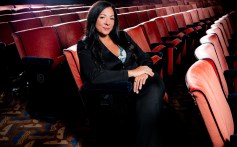
In his memoir, The Steps, Stallone notably omits a humorous incident from his early career, which might provide valuable insight into his experiences as a movie usher at Manhattan's Baronet And Coronet Theater. Stallone recounts his job as a chance for genuine filmmaking education, emphasizing its usefulness despite the conventional film school teachings.
Interestingly, Stallone does not repeat the story of being fired from the Baronet for attempting to sell tickets to already paying customers at an inflated price. This particular detail is significant as it involved Walter Reade Jr., the Baronet's owner, and Winkler's role in the theater screening that influenced Rocky's booking at a few theaters due to post-screening feedback from exhibitors.
Stallone's defensive stance on his politics is another example of his selective narrative control. Although he declines to discuss his political beliefs, he agrees with The New York Times' Lulu Garcia-Navarro on the public's misconception regarding his political orientation. Stallone attributes this misconception to his naivety and acknowledges that he may have said things without realizing their long-term consequences.
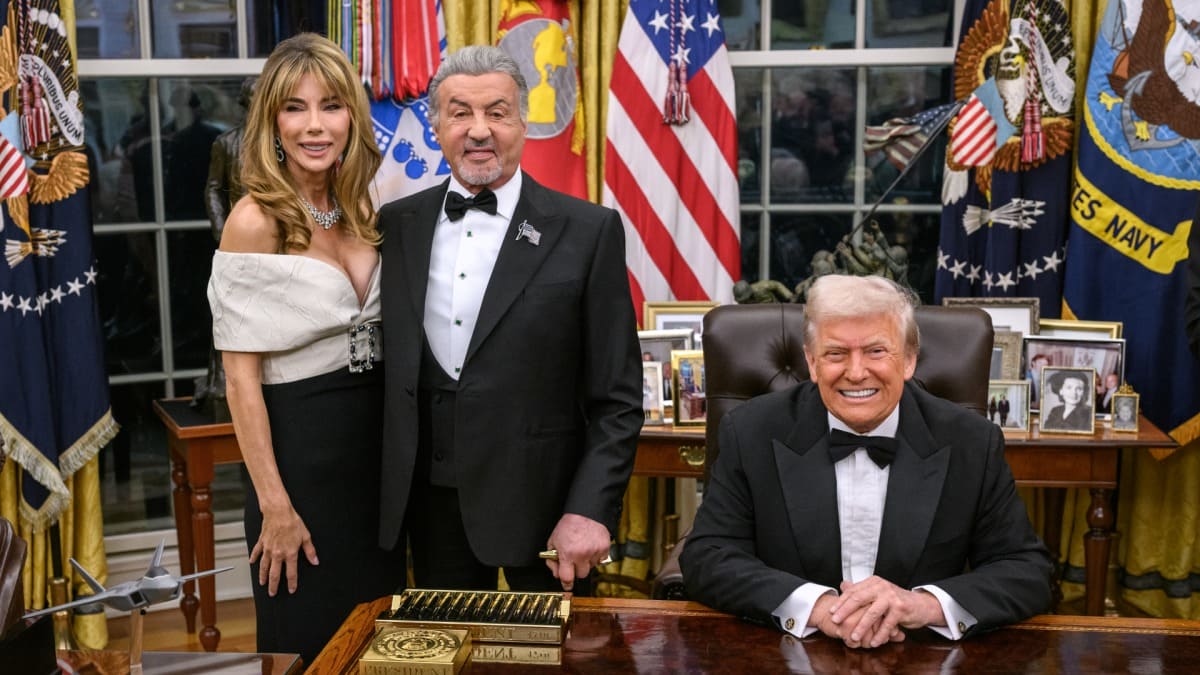
However, this narrative evasion extends to Stallone's views on politics in general, as he avoids discussing related topics such as receiving a Kennedy Center Honor or his comparison of Donald Trump to Rocky, both of which are self-made "mythical" figures. These omissions further contribute to the selective revisionism that Stallone employs to shape his public image.
Written by urgent.news from The A.V. Club's reporting — not their text. Machine-written — may contain errors; check the original before relying on it.
This story
This is one outlet's version. Read the fullest account.