Southeast Asia shouldn’t copy the U.S. healthcare model, says Walgreens Boots Alliance’s APAC head: ‘It saves your life, but it’s not very healthy’
Southeast Asia is building out its systems of care amid rising healthcare costs and a shortage of specialist doctors.
The United States leads the world in healthcare spending, accounting for about 17% of its GDP or $5.6 trillion annually. However, despite having the longest life expectancy, Americans actually experience a shorter healthspan compared to their Vietnamese counterparts. Even though the latter spends only 4.6% of its GDP on healthcare, Vietnamese people enjoy better health outcomes.
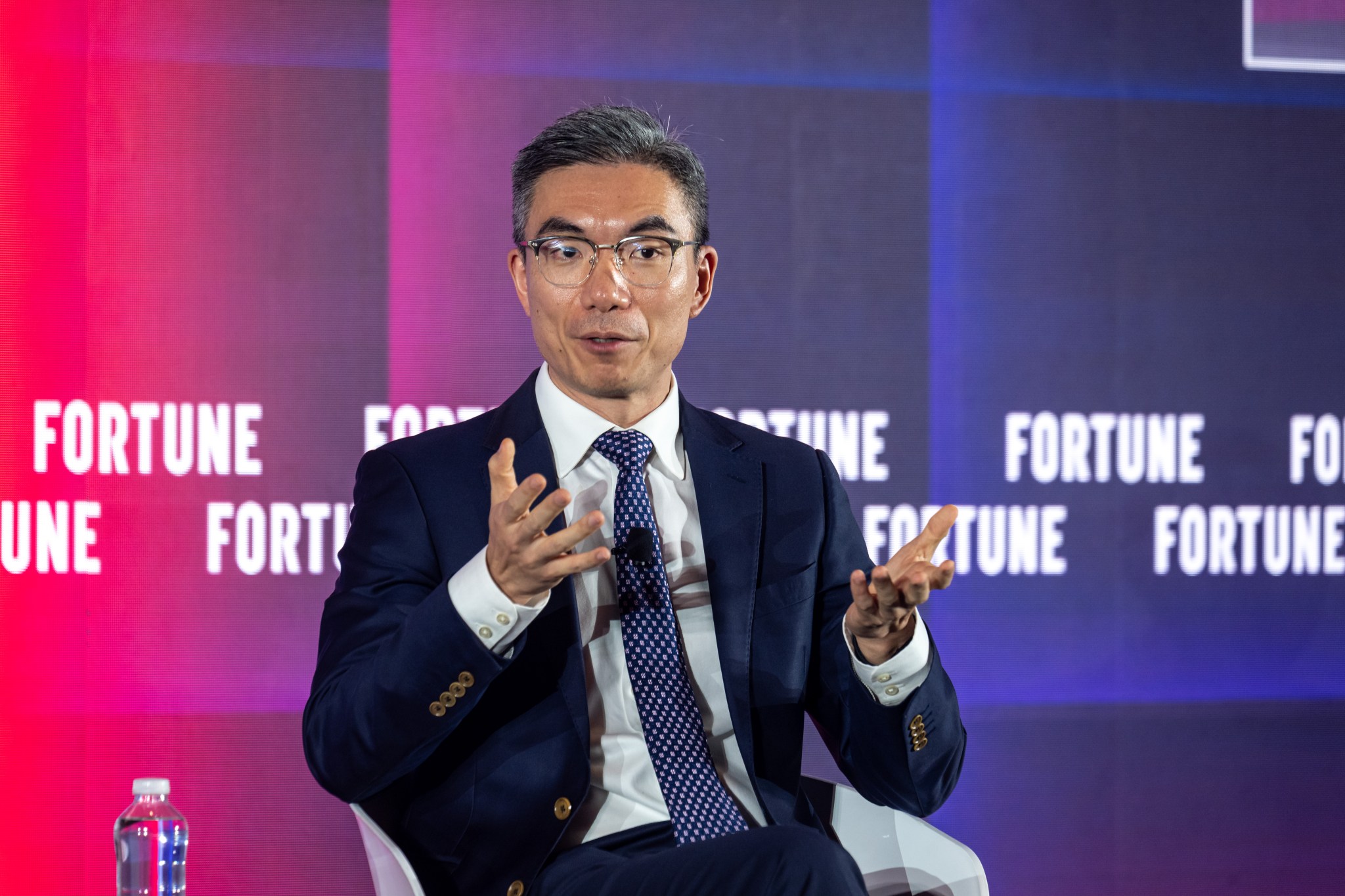
Walgreens Boots Alliance's Asia-Pacific head, Li Zhong, advised against Southeast Asian nations emulating the U.S. healthcare model during the Fortune's Southeast Asia 500 Summit on November 3 in Ho Chi Minh City. "While the U.S. has developed advanced therapies that extend life, it doesn't promote a healthy lifestyle," Li stated.
Southeast Asia is grappling with increasing healthcare costs and a shortage of specialist doctors, prompting countries like Thailand, Malaysia, Singapore, and Indonesia to rethink their healthcare systems. These nations are rapidly aging, which brings a rise in chronic diseases. The scarcity of specialists is a growing concern. For instance, in Indonesia, the ratio of specialists is around 0.2 per 1,000 people, while in Malaysia, Thailand, and Singapore, it is approximately 0.5 and 1.2 respectively.
To address patient needs, healthcare operators in Asia are increasingly adopting community-based care. IHH Healthcare, a Singaporean and Malaysian company, operates over fifty primary care clinics under their Parkway Shenton network, offering ambulatory care, diagnostic, and rehabilitative services within residential neighborhoods.
Similarly, Indonesia's Siloam Hospitals is building more community health facilities. Li Zhong emphasized the importance of patient-centric care, citing the UK's NHS Pharmacy First scheme where patients can access clinical assessments and treatment for common conditions without a GP appointment. He believes that community healthcare centers and pharmacies can be more cost-effective in providing everyday healthcare, provided pharmacists are well-trained.
Both Li and David Utama, the president director of Siloam Hospitals in Indonesia, agreed that public-private partnerships and emerging technologies such as AI are key to delivering affordable, high-quality healthcare. Utama highlighted that patient-centric healthcare requires collaboration between governments and the private sector, with governments providing access and scale, while the private sector contributes to innovation and speed.
Utama and Siloam Hospitals have been investing in enterprise AI since late 2025, aiming to build a foundational layer by the end of 2025 and construct digital twins for patients, doctors, and hospitals.
Written by urgent.news from Fortune's reporting — not their text. Machine-written — may contain errors; check the original before relying on it.
This story
This is one outlet's version. Read the fullest account.
- Malaysia carried Southeast Asia’s IPO market in 2026. The rest of the region went quiet e27.co
- Southeast Asia needs more regulation and investments for its cultural industries to scale, says POPS Worldwide CEO Esther Nguyen fortune.com
- Southeast Asia's largest economy records higher-than-expected 5.47% GDP growth in Q3 e.vnexpress.net