Siemens Energy redesigns Gulf power plants to withstand drone attacks
Siemens Energy is redesigning power plants in the Gulf to withstand drone and missile attacks, drawing on lessons from Ukraine, as the Iran war forces governments to rethink how they protect critical electricity infrastructure. The German industrial group is working with customers to reinforce existing facilities with protective shelters and barriers, while considering moving parts of new power…
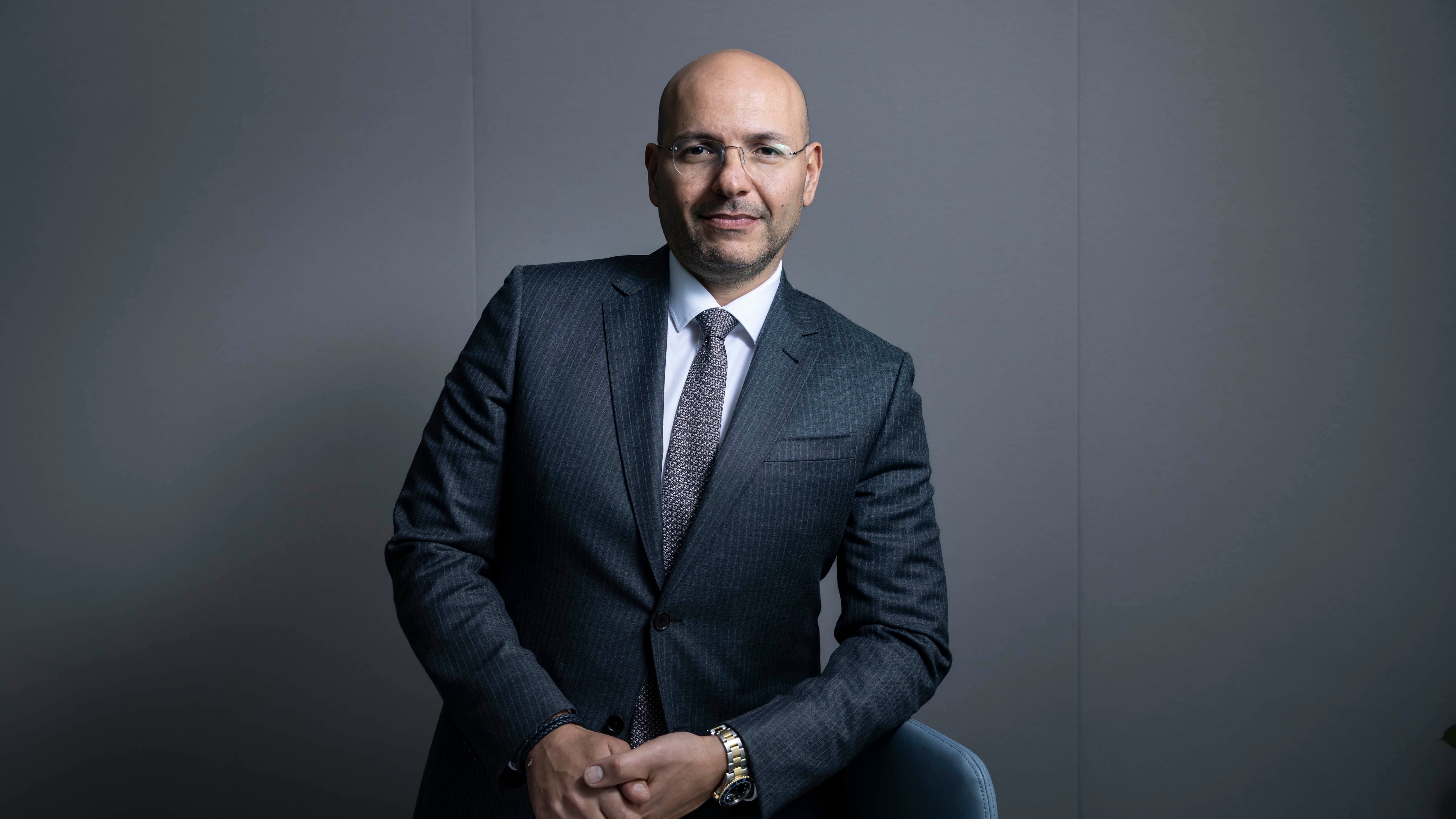
Siemens Energy is redesigning power plants in the Gulf to withstand drone and missile attacks, inspired by lessons from Ukraine's struggles during the ongoing Iran war. The German industrial conglomerate is working with customers to reinforce existing facilities and consider moving parts of new power plants underground. Managing Director Hussein Shoukry emphasized that "energy security now is national security," comparing the protection of power infrastructure to securing a military base.
This redesign could increase the cost of building power plants in the region, already grappling with rising electricity demand and the need to expand generation capacity. Siemens Energy, which was spun off from Siemens in 2020, supplies gas turbines, power generation equipment, and grid technology across the Gulf, with about 100 gigawatts of installed capacity and another 15 gigawatts in pipeline projects.
The company's regional operations include significant investments in Saudi Arabia and the UAE, employing over 4,000 people across 29 offices and securing €9 billion in orders in 2025. The Iran war has exposed the vulnerability of power plants and transmission networks across the Gulf, prompting governments to reassess how to protect critical assets.
Siemens Energy is drawing on its experience in Ukraine, where attacks on energy infrastructure have led to stronger protection measures and faster power restoration. Existing Gulf facilities are being designed with reinforced structures and protective shielding, while new projects may adopt underground layouts. However, these security measures come at a high cost.
The war has also highlighted weaknesses in supply chains for building and maintaining power infrastructure, leading Siemens Energy to explore alternative transportation methods for large equipment and increased inventories of critical components. While individual countries may pursue self-sufficiency, Shoukry cautioned against isolation, noting that it is inefficient and unfeasible.
The additional security requirements come as the region experiences a surge in electricity demand from industrial expansion, population growth, and electrification, requiring a 50% increase in power generation capacity over the next five to six years. Siemens Energy is expanding its factories to meet growing orders, with Oman being a success story for the company this year.
The company recently won contracts to supply and service equipment for two major gas-fired power plants in Oman and expects to announce more projects soon. Siemens Energy anticipates a focus on expanding electricity grids over the next decade as governments modernize aging networks and incorporate new generation capacity. Renewable energy plans remain on track, with solar and wind installations offering a potential security advantage due to their decentralized nature.
Shoukry emphasized that resilience now joins affordability, reliability, and sustainability as key considerations for governments.
Written by urgent.news from The National Business's reporting — not their text. Machine-written — may contain errors; check the original before relying on it.