Sicilia, il caro trasporti aggrava il divario col Nord
Oltre 8mila euro in più di carburante in otto mesi. È l’aggravio calcolato dalla sezione Trasporti di Confindustria Catania per un mezzo pesante che percorre 100mila chilometri l’anno. Per le...
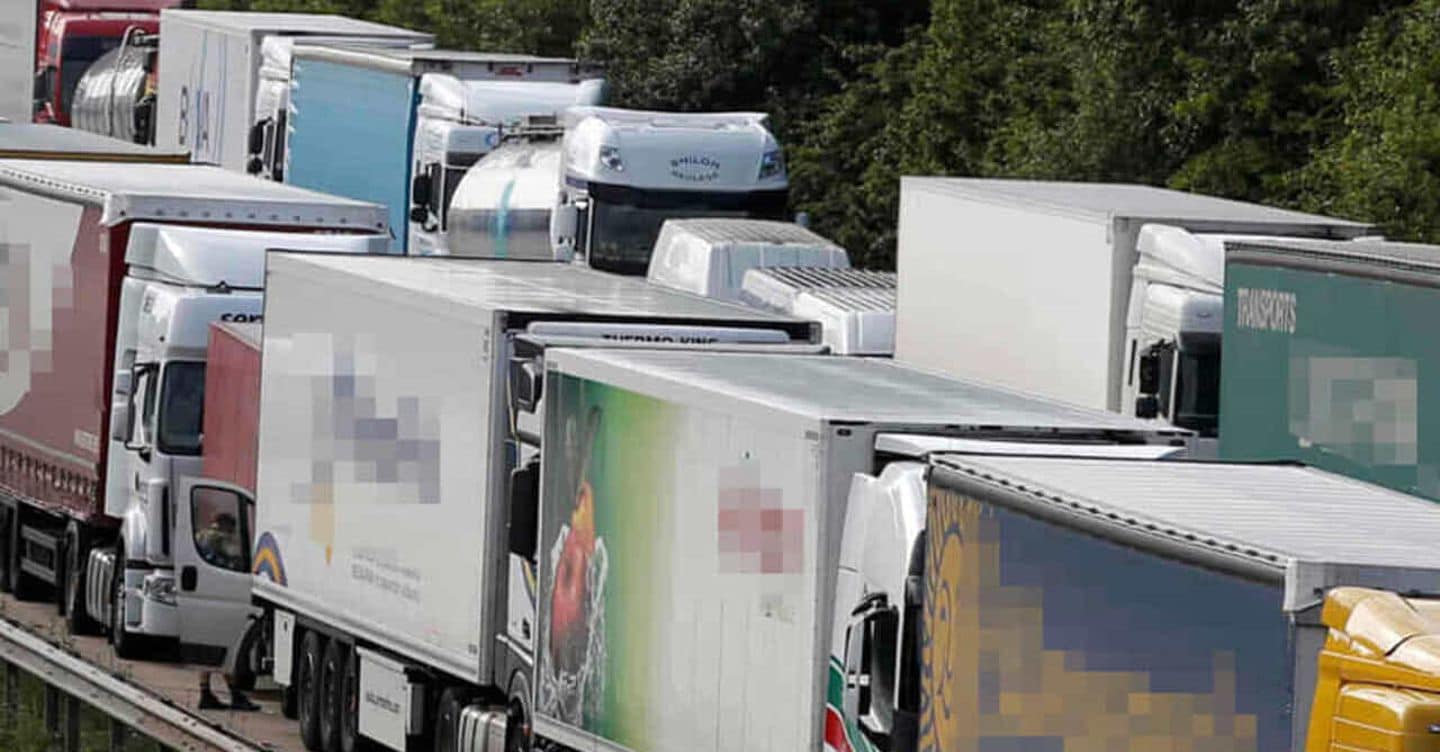
Sicily faces a significant transportation disparity with the northern regions, according to a report from Confindustria Catania's Transport section. For a single heavy vehicle that travels 100,000 kilometers annually, the cost difference is over €8,000 more in fuel alone. This is exacerbated by the combined cost of the liquefied natural gas carried by ships and the European Emissions Trading System (ETS) charges imposed by ship owners.
These costs burden an island that has built high-tech supply chains around major factories, SMEs, universities, and research centers. Sicily's added value to the economy grew by 7.83% in 2023 and 3.14% in 2024, according to the Tagliacarne Studies Center. However, the limited connections between industrial areas, ports, and railways, along with energy costs, pose challenges.
The transition to sustainability also requires new investments. This inequality is highlighted in a report delivered by Confindustria Catania President Maria Cristina Busi Ferruzzi to Minister Tommaso Foti during a public meeting marking the association's centenary. The dossier estimates Sicily's insularity costs at around €7 billion annually.
Industrialists demand a permanent table with the government, region, and European institutions, a fund for the transition of island businesses funded by ETS revenues, and payment of combined road-sea transport contributions. Foti reminds that the European island strategy must be followed closely and warns against falling into state aid traps.
In Sicily, businesses involved in the single Zes (Zones of Economic Specialization) grew from 1,582 in 2024 to 2,353 in 2025, with over €1.5 billion in investments and credit demand for around €837 million in the past year. Confindustria calls for a stable and reserved Zes for the Mezzogiorno (South) and a new South subsidy funded by cohesion funds.
Busi Ferruzzi and Foti agree that the unique Zes has two aspects: regulatory simplification and tax credits. Foti emphasizes that the natural outlet for future investments is the Southern Italy, as the North no longer has space. Sicily can become a national and even European hub for energy, he says. The minister highlighted energy and water consumption of data centers and noted that the regional and macroregional plans foresee €360 billion for competitiveness, with repercussions for SMEs.
Busi Ferruzzi believes the National Recovery and Resilience Plan (PNRR) should become an "ordinary model of programming," based on "certain resources, multiannual planning, and clear rules." During a visit to the new Its Academy headquarters in Catania, Foti indicated an expenditure of €8 billion in Sicily, representing 61% of the national 66%.
The minister reported that over 40,000 projects have been financed in the island, with about a thousand still pending, amounting to €13.1 billion rising to €23 billion if complementary funds are included.
Written by urgent.news from Il Sole 24 Ore's reporting — not their text. Machine-written — may contain errors; check the original before relying on it.