Rising Shipping Costs Expose the Vulnerabilities of Global Manufacturing and Supply Chains
Rising freight costs expose risks in supply chains, pushing manufacturers to rethink inventory, sourcing and logistics resilience worldwide.
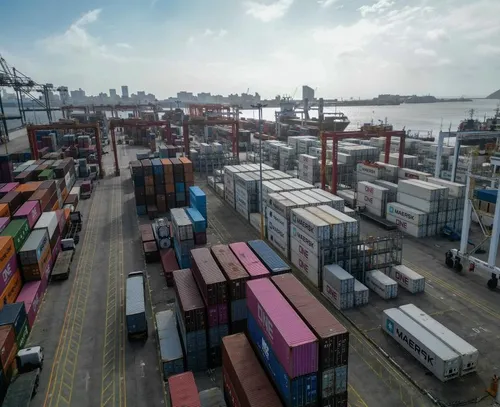
The recent surge in the cost of shipping goods from China to the United States reveals the fragility of global manufacturing and supply chains. Shipping a 40-foot container from Shanghai to New York now costs $10,075, up from $4,317 in May. This price increase is not just a logistics issue but fundamentally alters how manufacturers plan production, purchase materials, schedule deliveries and manage cash flow.
US imports of containers have reached a record high, with a 21.2% year-on-year increase in September, accounting for 36.3% of US container imports. Typhoons disrupting Chinese ports and a rush to move goods before the Golden Week holiday have further strained already limited shipping capacity.
Manufacturers with thin profit margins face penalties, idle production, or lost orders when transport networks cannot reliably move goods. To mitigate this risk, companies may fill containers fully, order larger quantities earlier, and commit capital to products with uncertain demand. This can lead to inventory distortion – overstocking or stock-outs that cost businesses up to $1.7 trillion annually, equivalent to 6.2% of global retail sales.
Inventory that does not match demand consumes capital and incurs storage costs, discounts, and the risk of goods becoming obsolete. The challenge lies not just in having too much stock, but having the wrong stock in the wrong place at the wrong time.
Visibility and flexibility are key. Better demand forecasting, real-time inventory data, and closer communication with suppliers can help companies determine which products need replenishment and which should not be reordered. Splitting orders, negotiating flexible minimum quantities, and maintaining safety stock for critical components can help avoid tying up cash in slow-moving goods.
Storing inventory closer to production or in regional fulfillment hubs can also reduce the risk of tying up capital in slow-moving goods. Air freight may be an option for lightweight, high-value products where speed justifies the premium. However, heavy machinery, bulk materials, and low-margin goods are typically better suited for ocean transport.
The issue is not confined to the US-China route. The UN Trade and Development warns that shipping is increasingly vulnerable to geopolitical tensions, rerouting, and port disruptions, with longer journeys driving up costs and reducing reliability. For emerging manufacturing economies like those in the BRICS group, resilient ports, diversified suppliers, stronger regional logistics links, and reliable infrastructure are crucial for maintaining competitiveness.
While freight rates will fluctuate, manufacturers should not base their business models on the return of consistently cheap and predictable shipping costs. Instead, they should treat logistics and inventory as integral parts of their production strategy, not as costs considered only after goods leave the factory.
Written by urgent.news from IOL's reporting — not their text. Machine-written — may contain errors; check the original before relying on it.