Rethinking the AI-workforce equation in Indonesia
The real AI challenge isn’t surviving machine replacement, it’s redesigning work to unlock human potential, and Indonesia’s agile market is primed to lead the shift.
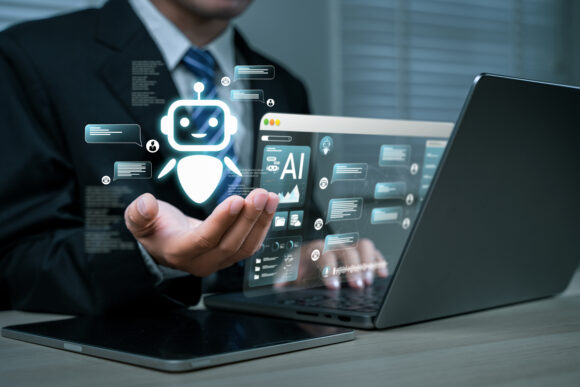
The narrative surrounding artificial intelligence and its impact on employment has shifted in Indonesia, emphasizing a need to rethink work design rather than merely focusing on machine replacement. AI's integration into business operations has sparked concerns about job displacement, yet this viewpoint overlooks the potential for substantial productivity gains, particularly for less experienced workers.
Reimagining work design goes beyond merely dividing tasks between human and machine. It involves recognizing where the most significant value is created and leveraging AI as a tool for individual growth and development. When agentic AI takes over complex service tasks, frontline workers can utilize platforms to actively shape these technologies.
Rather than viewing AI as a replacement or an optional enhancement, business leaders must identify where human judgment adds value, delegating routine tasks to AI while preserving complex tasks for human expertise.
Effective communication is crucial in this transition, as employees need to understand how AI tools can support their roles rather than view them as a threat. This approach necessitates a change in how organizations handle workforce development. Instead of treating AI training as an isolated event, companies should integrate learning into everyday operations.
By positioning AI deployment as an ongoing opportunity for upskilling, businesses can address operational challenges while simultaneously cultivating a more capable and future-ready workforce.
Indonesia stands out as particularly well-suited for this transformation. The country boasts a digitally savvy youth population and a strong ecosystem of micro, small, and medium enterprises (MSMEs), both of which possess the agility needed to navigate rapid digitalization. Sharing insights, suggestions, and experiences related to this shift can help shape a collaborative approach to embracing AI in the Indonesian workforce.
Written by urgent.news from The Jakarta Post Academia's reporting — not their text. Machine-written — may contain errors; check the original before relying on it.
This story
This is one outlet's version. Read the fullest account.
- Rethinking the AI-workforce equation in Indonesia thejakartapost.com