Path clear for 2025 batch, about 100 candidates whose OBC certificates were rejected since 2016
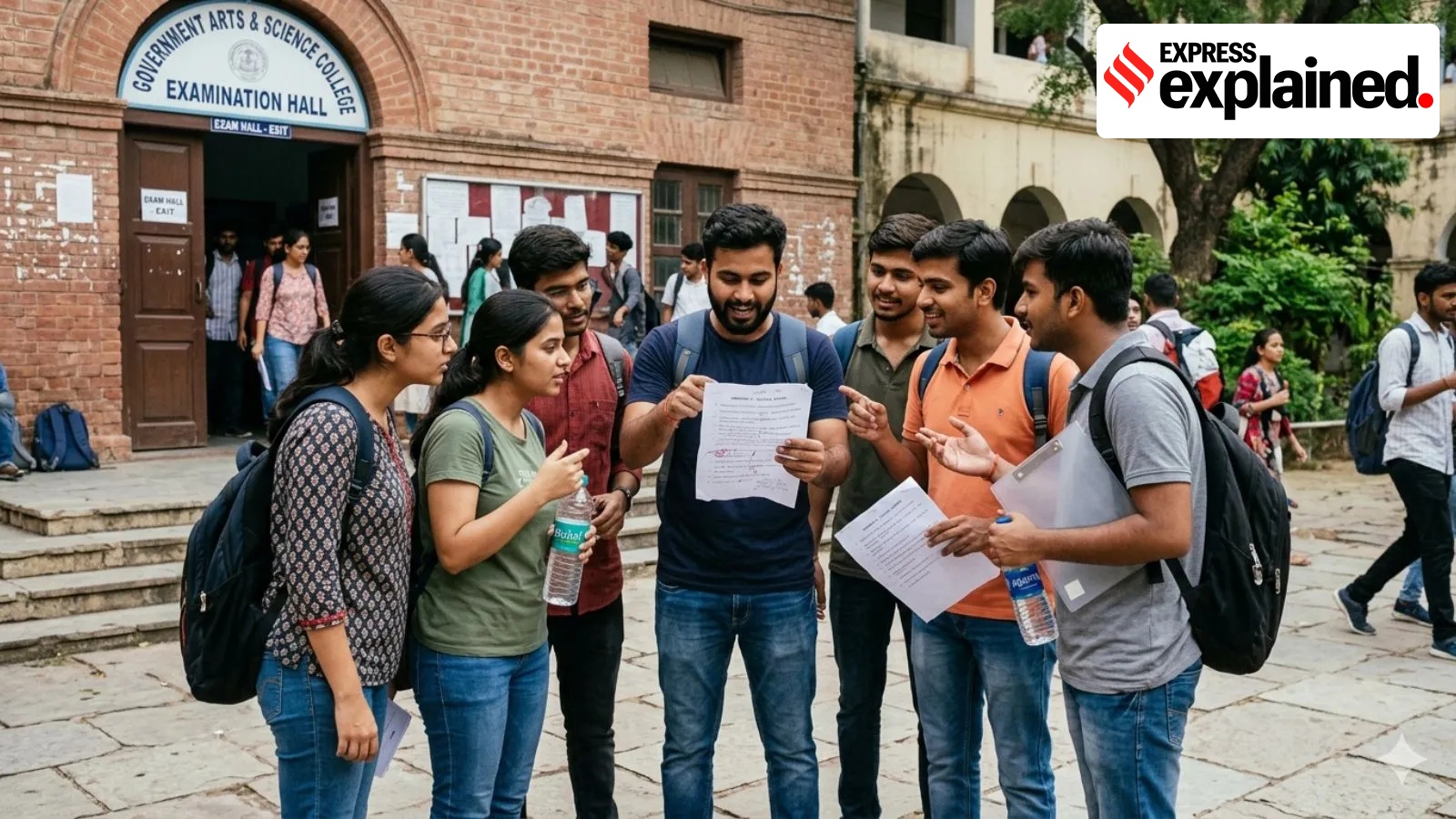
The Supreme Court's recent ruling will allow the allocation of service for the 2025 batch of 958 Civil Services Examination (CSE) and 148 Indian Forest Service Examination candidates, as well as the induction of nearly 100 OBC candidates based on merit. Their caste certificates had been rejected since 2016 due to their parents' jobs in PSUs, private sectors, schools, and other institutions, leading to the rejection of their CSE selections.
The court's bench, consisting of Justices P S Narasimha and R Mahadevan, found no convincing justification for deferring the implementation of the March 11 judgment. Initially, the court gave the Centre six months to implement the verdict retroactively, but the government approached it on August 24, citing challenges. On Friday, the court granted the Centre two additional months.
The court's March 11 judgment ruled that the OBC candidates fall within the non-creamy layer and are entitled to reservation benefits, including placement and post allotment. This means that salary or income alone cannot determine creamy-layer status; the parent's post category and prescribed income or wealth test must be considered.
The 1993 government order excluded salary and agriculture income, but in 2004, it was included, leading to petitions before the Supreme Court. The court ruled that excluding OBC children of PSU and private sector employees solely based on their salary income would be discriminatory. The creamy-layer concept, introduced to ensure reservation benefits reach genuinely backward OBC sections, has been debated on how social status and income should be assessed across different employment forms.
The last meeting to consider revising the ceiling was held in July 2020, but no revision has occurred yet. The last meeting to consider revising the ceiling was held in July 2020, but no revision has occurred yet.
Written by urgent.news from The Indian Express's reporting — not their text. Machine-written — may contain errors; check the original before relying on it.