On this day in space! Nov. 6, 1572: A German astronomer discovers the Tycho supernova with the naked eye, but everyone thought the cosmic explosion was a 'new star'
On Nov. 6, 1572, the German astronomer Wolfgang Schulër observed a supernova later caleld the Tycho supernova with his bare eyes. Here's why it mattered.
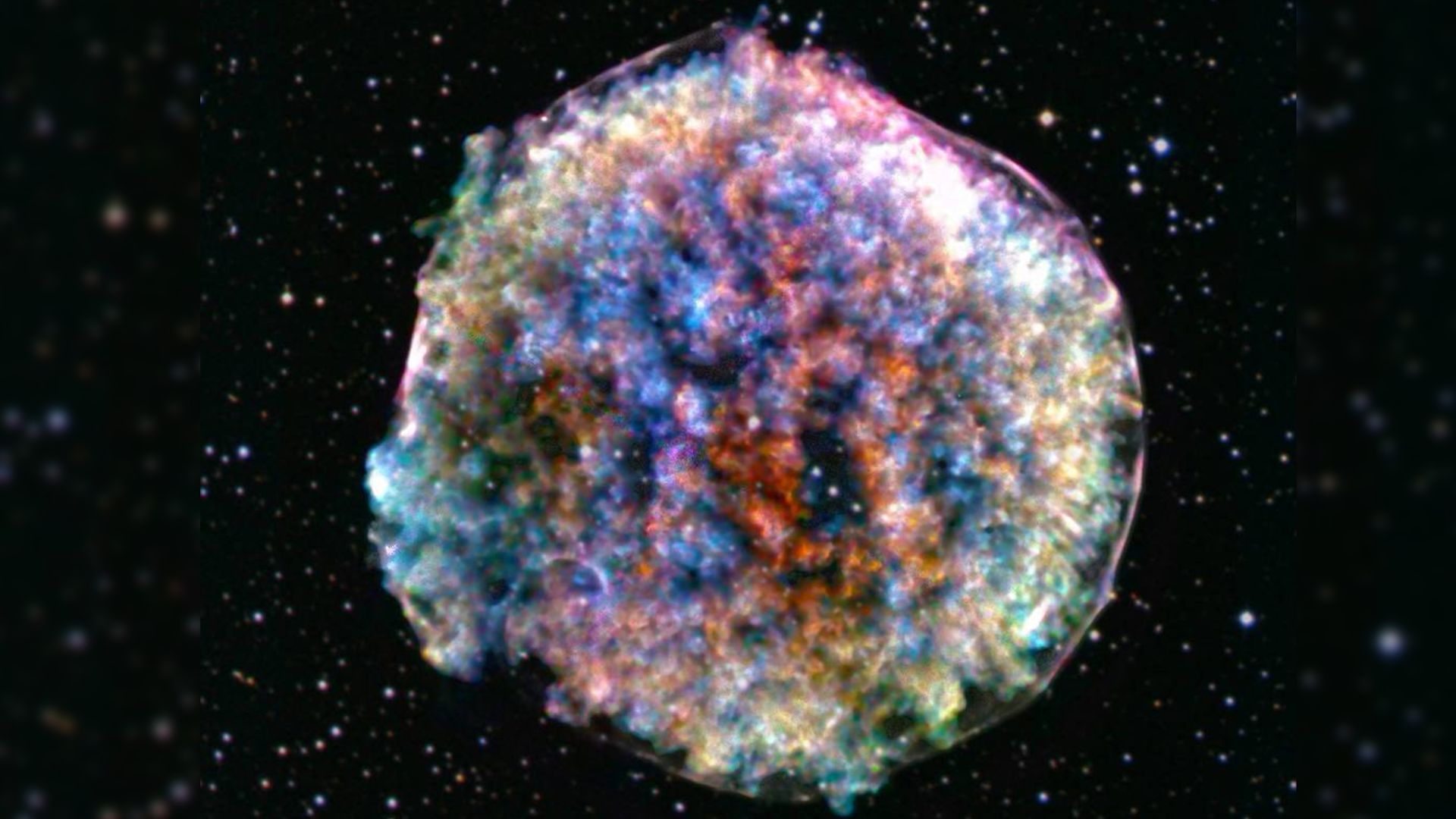
On November 6, 1572, German astronomer Wolfgang Schulër observed a supernova with his naked eye. The exploding star appeared in the constellation Cassiopeia and was as bright as Venus, even visible during daylight. At first, nobody understood what they were seeing - it looked like a star had suddenly appeared out of nowhere. Schulër is likely the first to spot it, but Danish astronomer Tycho Brahe is most often credited for the discovery.
Brahe spent many months studying the bright new star, documenting its growth and gradual fading in a book called De Stella Nova (Latin for "On The New Star"). For many years, Tycho's Star was simply known as "the new star." It was not until the 1940s that scientists realized it was a Type Ia supernova - the explosion of a small star called a white dwarf.
The explosion happened thousands of years ago, and since the star is located 13,000 light-years away, it took a long time for anyone to see it. While Schulër made the initial observation, Brahe's detailed records are the most complete account of the event. Tycho Brahe's observations were especially significant because, at the time, scientists believed that the stars were unchanging and eternal.
The appearance of this new star challenged this long-held belief about the constancy of the heavens. Tycho's Star was visible to the naked eye for about two weeks and remained bright enough to see for 16 months. Astronomers today study another star, T Corona Borealis, which may soon explode in a similar fashion. Known as the Blaze Star, it is one of 11 stars observed to have recurring nova explosions every 100 years or so.
Written by urgent.news from Space.com's reporting — not their text. Machine-written — may contain errors; check the original before relying on it.