Netanyahu’s office doesn’t deny Trump’s announcement of imminent halt to US military aid
In first comment on president's statement that aid would stop at the end of 2026, PM's office says US-Israeli move 'from aid to partnership' shows strength of relationship
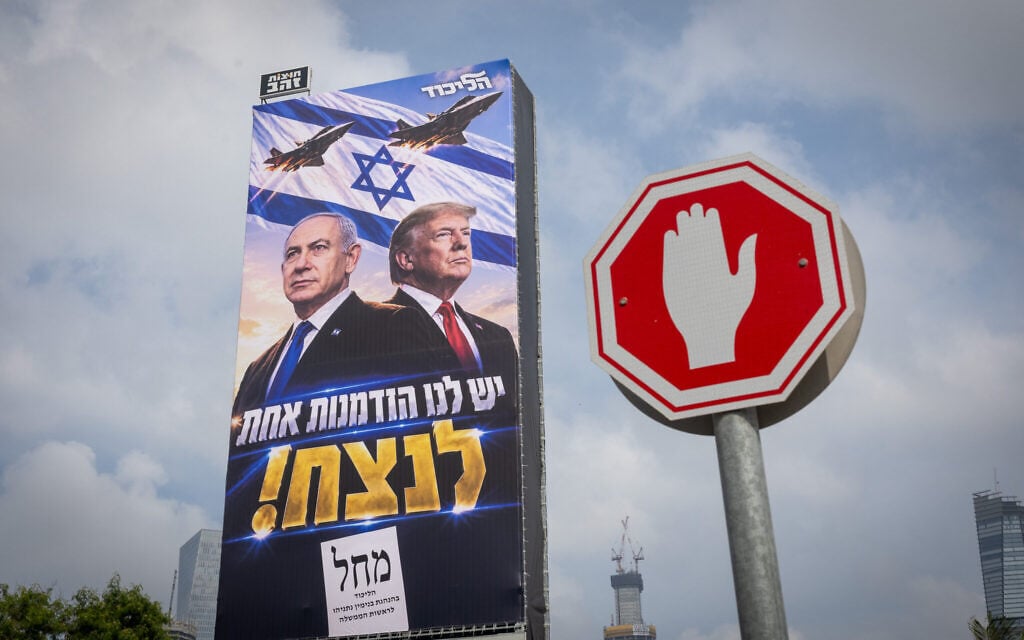
In the wake of inconclusive Israeli elections, the United States has shifted its political landscape, dealing a blow to Prime Minister Benjamin Netanyahu's confidence in American backing. American voters elected a Congress led by Democrats, who favor a more stringent stance on issues such as Iran, Gaza, and Israeli settlement policies in the West Bank.
This change in power dynamics has led many to believe that Israel's long-standing dependence on U.S. support may be waning. Yael Sternhell, a U.S. expert at Tel Aviv University, noted a significant shift in how mainstream Americans perceive Israel, with the recent Gaza and Iran wars changing public opinion.
Vice President Kamala Harris's Republican opponent, JD Vance, identified four ways to win back voters, including ending the Iran war and improving Israel's relations with the U.S. Trump, in a surprise move while the election was underway, agreed to end $3.8 billion in annual U.S. military aid to Israel, directly linking the decision to the U.S.'s political climate.
Netanyahu, Israel's longest-serving prime minister, had sought Trump's endorsement but acknowledged the changing tides. He even suggested Israel could turn to cryptocurrencies to bypass mounting international sanctions.
Opposition leader Gadi Eisenkot, who aims to form a coalition to oust Netanyahu, has proposed a new approach to restoring the strained relationship. Eisenkot has stated his support for "liberal values" and a "constructive" partnership with Trump. However, critics argue that Eisenkot will need to implement new policies to earn the trust of the new Democratic Congress.
The new administration's approach to Israel may involve harsh criticism of extremist settlers, who have shown no restraint in their attacks on Palestinians in the West Bank. Although Israel still possesses formidable military capabilities, the loss of U.S. aid could force the country to consider more budget-friendly military options, potentially increasing the risk of civilian casualties.
While Israel may adapt to this new reality and face fewer U.S. military resources, it will face substantial challenges in maintaining its current level of military might. Eli Kowaz, a senior policy director at the Economic Cooperation Foundation, suggests that Eisenkot's new vision for Israel's relationship with the U.S. may involve a less confrontational approach and a greater focus on regional stability and strategic agreements, rather than an endless state of conflict.
Written by urgent.news from Malay Mail's reporting — not their text. Machine-written — may contain errors; check the original before relying on it.
This story
This is one outlet's version. Read the fullest account.
- Netanyahu’s Trump gamble unravels as Israel faces a shifting United States malaymail.com
- Israel opposition eases on ultra-Orthodox draft to oust Netanyahu freemalaysiatoday.com
- Trump’s defeat fuels concerns in Israel over the future of its alliance with the US english.elpais.com
- Shin Bet chief Zini has united Israel's coalition and opposition against him haaretz.com