Midterm Wave Sets a Course for ‘Medicare for All’ Fight
Voter frustration with healthcare costs helped fuel the Democrats’ midterm takeover of Congress. But Democratic control doesn’t mean “Medicare for All” will follow, as some hoped.
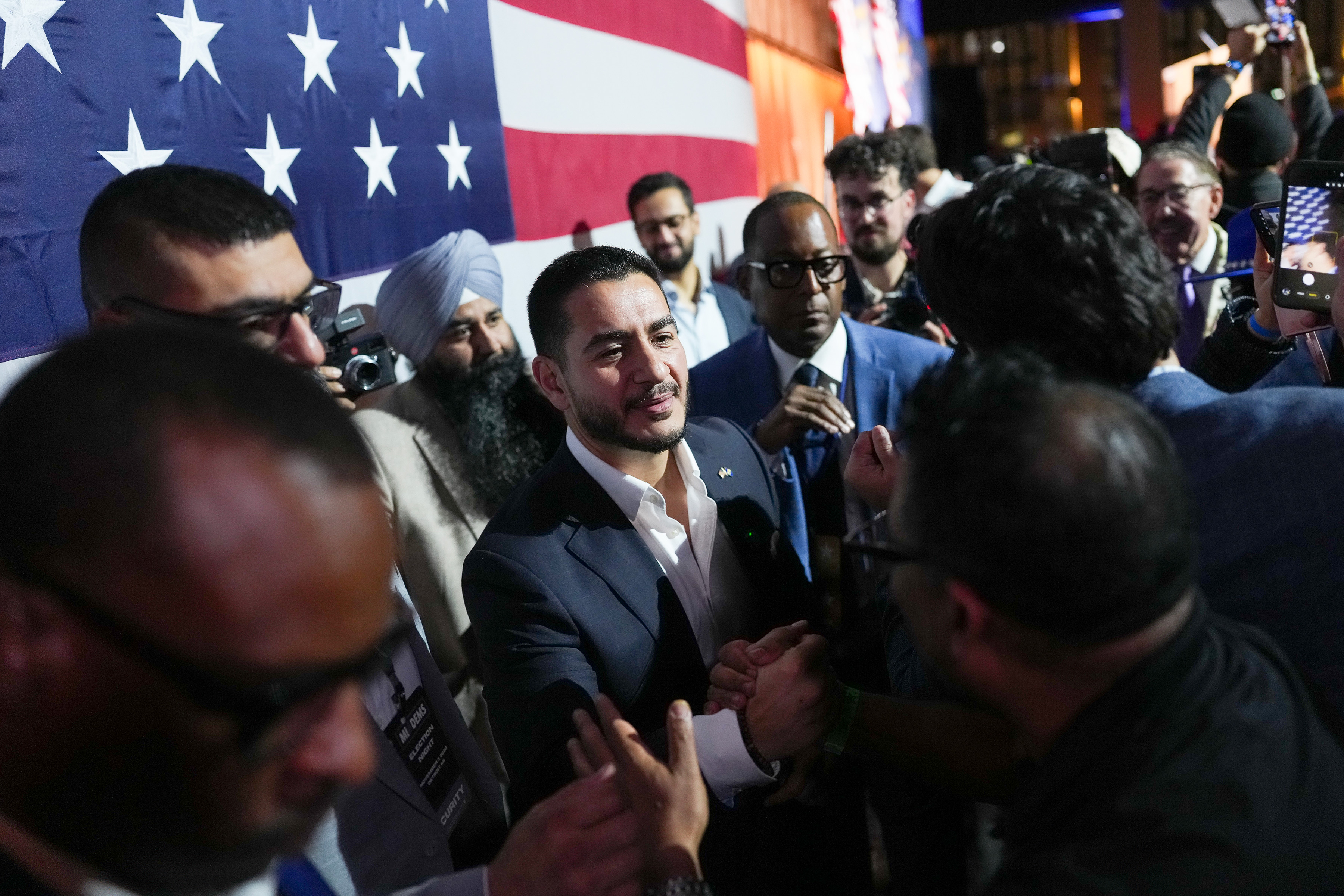
Fifteen years of experience as an emergency room nurse has led Kim Bogan to believe that the American healthcare system must be radically overhauled. Her patients, arriving for treatment, are increasingly unwell, unable to afford prescriptions, and sometimes Bogan wonders if she could have saved them if not for caring for multiple patients simultaneously.
This motivated her to campaign for Abdul El-Sayed, the Democrat who made "Medicare for All" a central issue in his congressional campaign and is now a senator-elect. However, Bogan acknowledges that even though progressive candidates have successfully campaigned on a form of Medicare for All in states like Texas, Iowa, Maine, and Michigan, it does not guarantee its success. "Nobody expected that," Bogan stated.
Medicare for All, a government health program aimed at guaranteeing coverage, typically replaces most or all private insurance. Critics argue that even with a significant Democratic victory in the 2026 midterms, the most vocal supporters of Medicare for All tend to win by smaller margins than moderate Democrats. Jonathan Oberlander, a professor and healthcare reform expert at the University of North Carolina-Chapel Hill, noted that while voters are frustrated with healthcare costs, they generally do not vote to have the government take over health insurance. Instead, they are angry about inflation, corruption, and the Iran war.
Several states, including Oregon, are already considering the feasibility of establishing single-payer systems. Despite these efforts, Oberlander believes this could be a once-in-a-generation opportunity due to Americans' mounting healthcare costs and desire for change. However, more moderate Democrats might view the growing popularity of Medicare for All as a threat to their gains in states like Iowa, Kansas, and South Carolina.
"If Democrats want to hold those seats, which were very difficult to win, they’re probably not interested in passing Medicare for All," Oberlander explained. "That’s a huge political risk in red-leaning states. So just because Democrats have a majority doesn’t mean it’s a majority for Medicare for All."
Previous proposals for Medicare for All would have required millions of people to give up their existing coverage, creating unprecedented opposition from the healthcare industry. Michael Cannon, a healthcare economist at the libertarian Cato Institute, warns that if the cost levels envisioned by Bernie Sanders and Abdul El-Sayed were implemented, the industry would "tear it to shreds."
Even as voters express support for Medicare for All in greater numbers than in nearly a decade, a KFF poll reveals that support dwindles when presented with common arguments against the policy, such as higher taxes or potential delays in treatment.
Jaime Bardenhagen, a former nurse from rural Leelanau County in northern Michigan, feels conflicted about the idea of government-provided healthcare. With Parkinson's and a rare genetic disease, Bardenhagen and her husband experienced a significant increase in health insurance costs after the Affordable Care Act subsidies expired.
Their monthly premiums skyrocketed from $700 to $1,300, with a deductible of $7,500. Unable to afford necessary medical tests, Bardenhagen has had to put off doctor-recommended procedures. Despite these financial struggles, she admits to feeling guilty about relying on government support for healthcare, something she never believed in growing up on a farm.
However, like many Americans, Bardenhagen and her husband have seen their insurance costs soar, leading them to consider opting out of the healthcare system altogether.
For Bardenhagen, the message she hopes Democrats take from the midterms is clear: "Do so."
Written by urgent.news from KFF Health News's reporting — not their text. Machine-written — may contain errors; check the original before relying on it.