Klima: Deutschland unterstützt weltweites Stromziel für 2035
Vor der Weltklimakonferenz in Antalya setzt die Bundesregierung auf mehr Strom für die Endenergie. Zugleich dürfte die 1,5-Grad-Marke laut Copernicus fast sicher 2026 überschritten werden.
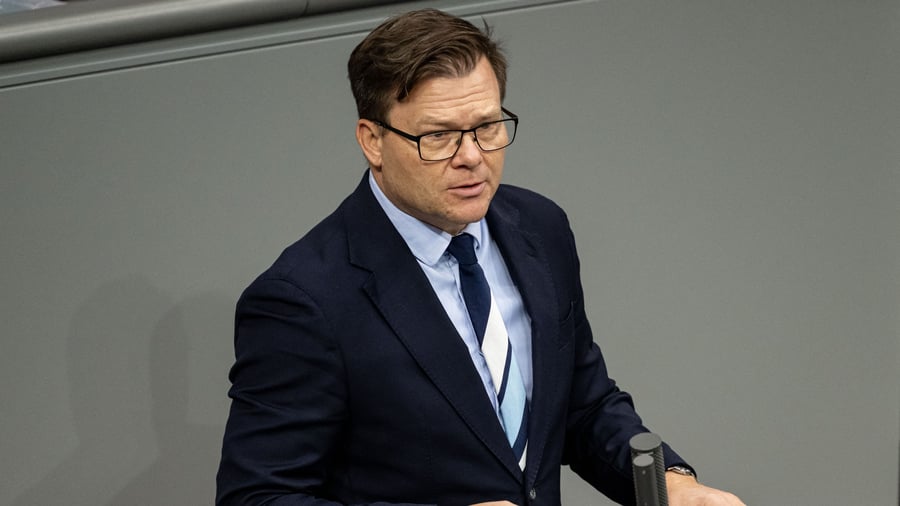
Deutschland has backed a global target aimed at increasing the share of electricity in total global final energy consumption to 35 percent by 2035. Federal Environment Minister Carsten Schneider (SPD) announced the decision on Friday, ahead of the start of COP31, the world climate conference in Antalya, Turkey. The minister expressed confidence that more countries would follow suit, stating that the world climate conference would send a strong signal to global markets that modern and efficient electrical technologies are the future.
The goal is to reduce dependence on fossil energy sources such as oil, gas, and coal, through the increased use of electric cars, heat pumps, and industrial production methods. Currently, only slightly more than one-fifth of the total final energy consumption worldwide is covered by electricity. The initiative was presented by the Turkish presidency of the world climate conference in June, and it is not legally binding nor does it set uniform national targets.
The ruling coalition of Union and SPD parties also support the goal. The Bundestag is expected to vote on the proposal on Friday. The climate conference begins on Monday and runs until November 20. Earlier, the EU Climate Change Service Copernicus announced that 2026 is almost certain to break the 1.5-degree global warming mark compared to pre-industrial times, which would be the second time it has happened since 2024.
However, the official figure only applies to the multi-year average. EU countries are discussing moving methane rules for oil, gas, and coal imports, with a majority agreeing that importers of these fossil fuels should comply with EU climate protection rules for methane starting in 2028, one year later than previously planned. This delay aims to avoid additional pressure on energy supply security for imported fossil fuels.
In the federal government, there was initially disagreement about the proposal, but Federal Environment Minister Carsten Schneider reaffirmed his commitment to reducing methane emissions. Energy Minister Katherina Reiche (CDU) showed openness to more flexibility, stating that they had decided to agree, even if it was not their "first choice."
Written by urgent.news from Handelsblatt's reporting — not their text. Machine-written — may contain errors; check the original before relying on it.
This story
This is one outlet's version. Read the fullest account.