IFS calls for reforms in 2027 budget to boost domestic revenue mobilisation
The Institute for Fiscal Studies (IFS) is warning that Ghana’s weak domestic revenue mobilisation is undermining the country’s capacity to finance critical infrastructure, improve public sector wages and accelerate national development. Speaking at a pre-budget press conference, Executive Director of the Institute, Dr Said Boakye, said the country’s revenue mobilisation challenges have…
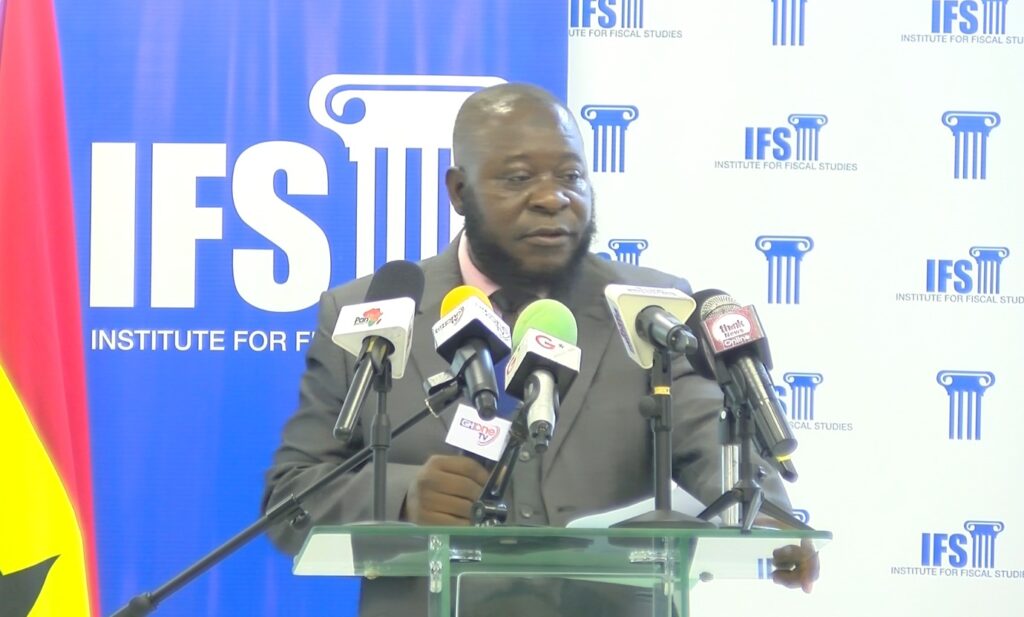
The Institute for Fiscal Studies (IFS) is urging Ghana to undertake reforms in its budget for 2027 in order to enhance domestic revenue mobilisation. Speaking at a pre-budget press conference, the Institute's Executive Director, Dr Said Boakye, highlighted the country's weak domestic revenue mobilisation as a hindrance to financing crucial infrastructure, raising public sector wages and accelerating national development.
Dr Boakye pointed out that Ghana's poor revenue mobilisation has resulted in recurring borrowing for development projects, substandard infrastructure and low national income. Noting that Ghana's GDP per capita was $2,419 in 2024, the Institute's analysis indicates that the country is grappling with significant development challenges.
The IFS has identified several factors contributing to Ghana's weak domestic revenue mobilisation. These include low revenue generation from the extractive sector, revenue leakages and excessive tax exemptions. Boakye underscored that Ghana is not capitalising on the financial advantages of its mineral resources, especially when compared to countries like Botswana, where the government plays a substantial role in the mining sector and derives significant benefits from royalties and dividends.
The Institute is advocating for more productive sharing agreements and increased government participation in the extractive sector to maximise returns from the country's natural resources. Additionally, the IFS is concerned about revenue leakages resulting from tax evasion, under-reporting and corruption, which continue to deprive the state of essential funds for development.
The Institute also cautioned that an excessive reliance on tax exemptions as an incentive to attract foreign investment could be weakening Ghana's revenue base. Therefore, the IFS is calling for a review of existing tax exemptions to ensure they yield the intended economic benefits without unnecessarily diminishing government revenue.
The Institute believes that addressing these structural weaknesses is crucial to bolstering domestic revenue mobilisation, alleviating dependency on borrowing and establishing the fiscal space necessary to support Ghana's development priorities.
Written by urgent.news from Joy Business's reporting — not their text. Machine-written — may contain errors; check the original before relying on it.
This story
This is one outlet's version. Read the fullest account.