I turned spare ESP32 boards into motion sensors for rooms using a free open-source project without a single sensor
The sensor was the Wi-Fi radio all along.
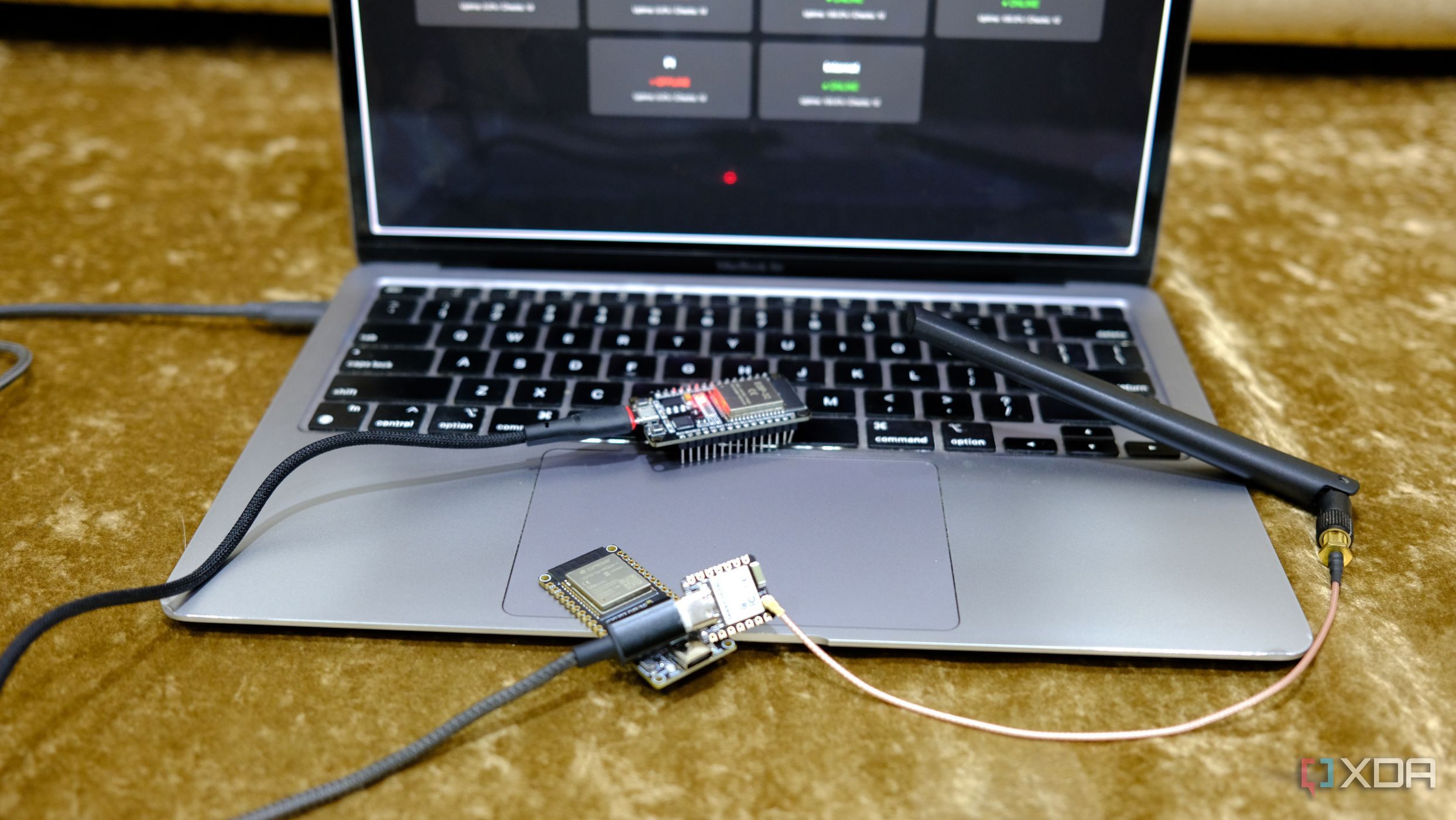
I repurposed unused ESP32 boards into motion sensors for individual rooms through a free open-source project called ESPectre. This innovative approach eliminates the need for traditional PIR modules by utilizing the Wi-Fi radio in each ESP32. By analyzing channel state information (CSI) from Wi-Fi packets, ESPectre detects changes in the wireless signal when someone walks through the room, thereby determining the presence of motion.
This setup is particularly useful in rooms where a person's movement might be missed by conventional motion sensors, such as when someone is sitting or lying down. ESPectre supports various ESP32 variants and operates locally, without relying on cloud services or additional sensors like microphones or cameras. The project offers multiple firmware options, including ESPHome, which integrates seamlessly with Home Assistant for easy monitoring.
To use ESPectre, you simply configure a binary sensor in the ESPHome firmware and enable a recalibration button. The detection mode can be set to Lightweight for less computational load or High Accuracy for more precise results using on-device neural networks. When implemented, ESPectre runs on the Wi-Fi gateway, generating traffic to create a steady stream of CSI packets.
It requires minimal Wi-Fi power saving adjustments and disables Wi-Fi power saving and AMPDU to ensure optimal detection performance. While ESPectre does not provide detailed information such as the number of people or their identification, it offers a cost-effective and hardware-free solution for motion sensing, ideal for lighting control or presence awareness within a single room.
Written by urgent.news from XDA Developers's reporting — not their text. Machine-written — may contain errors; check the original before relying on it.