HCMC industrial reshuffle aims to drive double-digit growth
A newly expanded development space is giving HCMC an opportunity to reorganize industrial parks, linking high-tech industries, logistics, seaports into integrated value chains to boost productivity, value creation and double-digit economic growth. Ho Chi Minh City connects manufacturing zones to boost economic growth
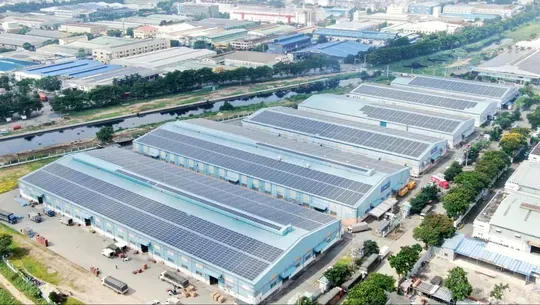
The city of Ho Chi Minh City (HCMC) is undertaking a strategic industrial restructuring plan aimed at fostering double-digit economic growth. This initiative involves reorganizing industrial parks and integrating high-tech industries, logistics, seaports, and manufacturing into cohesive value chains. The objective is to expand production capacity, enhance productivity, and increase added value, thereby driving economic expansion.
In the first nine months of 2026, HCMC's Industrial Production Index (IIP) witnessed a 10.9% increase. Manufacturing and processing sectors saw an 11.3% rise, while key industries such as mechanical engineering, electronics and information technology, chemicals, pharmaceuticals, rubber, plastics, and food processing expanded by 10.8%. To maintain this growth trajectory, the city must restructure industrial spaces and redirect resources to sectors with higher productivity and value creation.
Several factors have prompted this transformation, including limited land availability, escalating costs, and stringent technology, environmental, and competitiveness standards. These pressures have driven many businesses to reconsider their operational locations. However, not all companies are eager to relocate. For instance, Usui Brush Vietnam's Huynh Cong Khanh expressed concerns about the payback period and the potential loss of skilled workers when considering investment in a new factory.
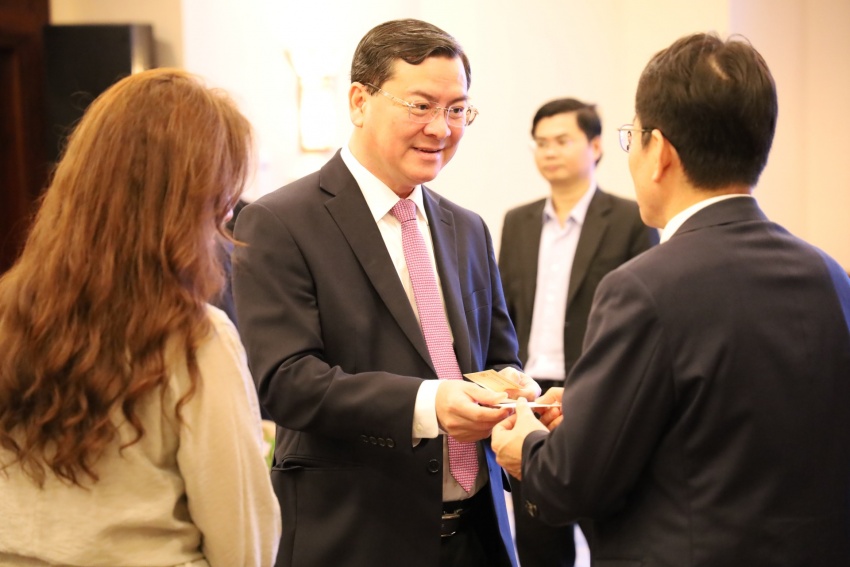
Businesses require clear information regarding the future direction of industrial parks, including extension timelines and conversion conditions, to plan their investments effectively. Trinh Thi Dung from TCL Smart Electronics Vietnam highlighted the challenge of recruiting workers in locations that receive new production activities, emphasizing the need for coordinated efforts to meet labor, transportation, logistics, energy, and supplier network requirements.
Tran Quang Truong, CEO of Tanimex, suggested that some secondary investors in Tan Binh Industrial Park have already shifted from manufacturing to services and logistics. Tanimex is proposing a reorganization of the area towards clean industry, services, and logistics to better align with its urban setting. This demonstrates that transformation does not always necessitate relocation; industries and land-use functions can be restructured based on the strengths of each area.
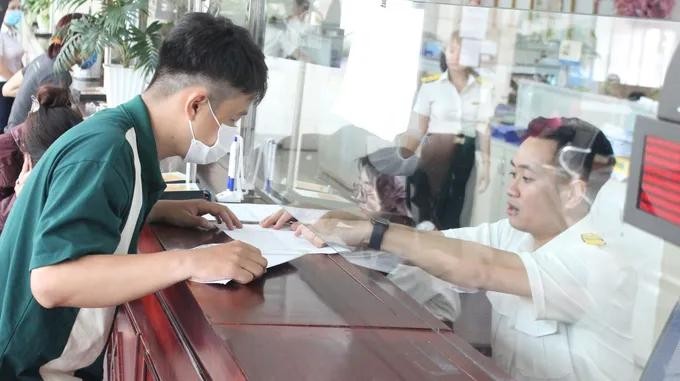
The HCMC Export Processing and Industrial Zones Authority (HEPZA) is developing a comprehensive plan to transform existing industrial parks, outlining models, roadmaps, and implementation mechanisms to protect the rights and interests of businesses and workers. The city is also working on draft resolutions to be submitted to the HCMC People's Council for approval in 2026.
These resolutions aim to create high-tech, specialized, supporting-industry, and digital-technology models, as well as ecological industrial parks and industrial clusters. One notable proposal involves a 30% reduction in subleased land rental costs for secondary investors who relocate to receiving industrial parks or clusters over the first five years.
However, transformation efforts must be accompanied by adequate preparation time for businesses. HEPZA is tasked with coordinating with relevant agencies and departments to draft the transformation resolutions. While land and credit incentives are essential, they are only part of the solution. Policies should be closely aligned with receiving-site conditions, infrastructure, financing, workforce training, and technological modernization to minimize disruptions to production and supply chains.
Ultimately, relocation should present opportunities for upgrading production lines, rather than merely transferring old production lines to new locations. The city must strive to enhance overall productivity and added value through automation, smart manufacturing, emissions reduction, and adherence to global supply chain demands.
Written by urgent.news from SGGP English Edition Business's reporting — not their text. Machine-written — may contain errors; check the original before relying on it.