Govt ‘wastes’ Rs3.5tr yearly on energy imports
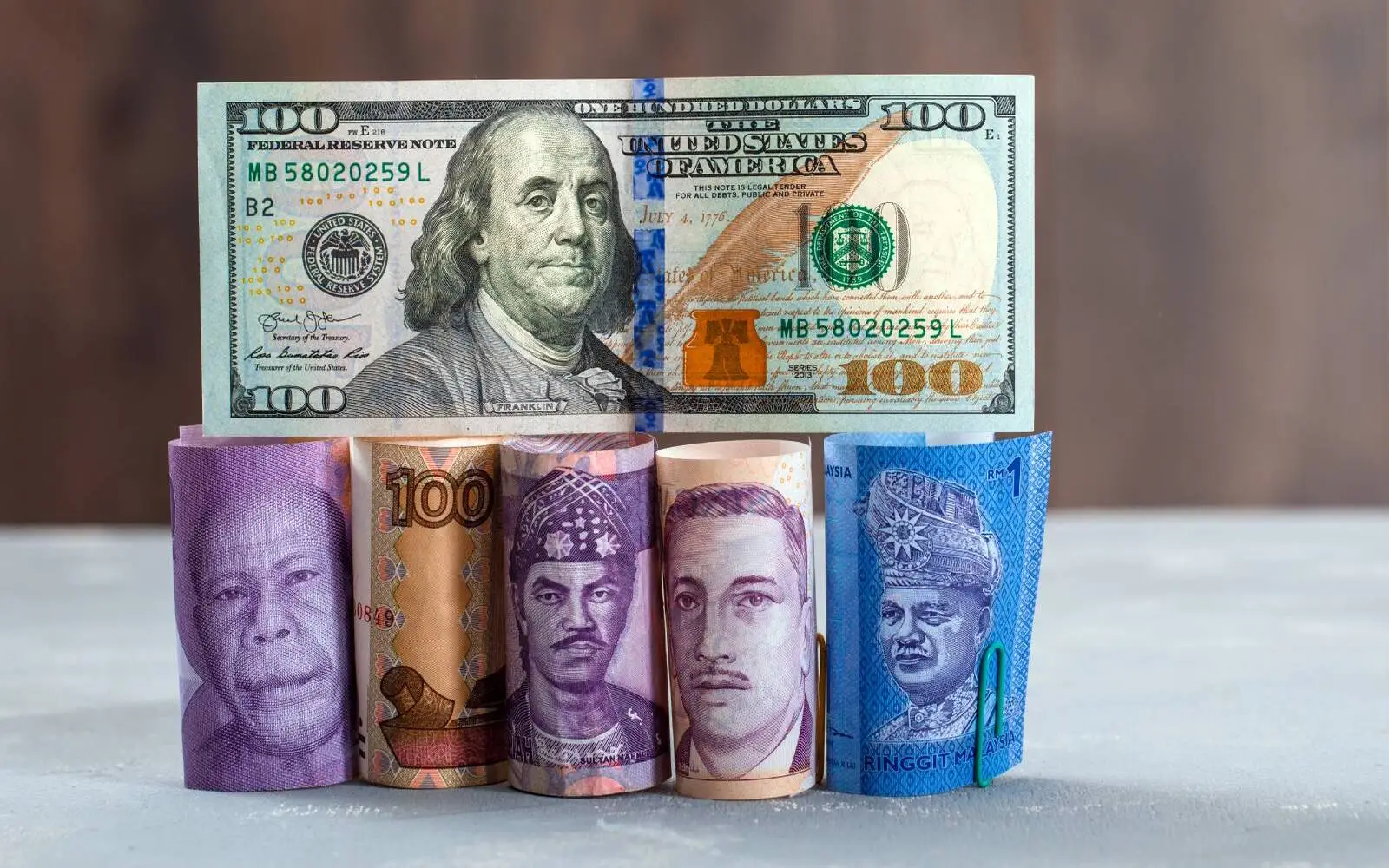
ISLAMABAD: Pakistan is wasting Rs3.5 trillion annually — more than three times the federal development budget — on unnecessary, rising energy-sector imports due to mismanagement, delays in adopting building codes, and failure to implement an indigenisation plan for energy materials and equipment that used to be produced locally. This was the crux of an event on ‘Pakistan’s Energy Security’,…
Pakistan is squandering Rs3.5 trillion each year on energy imports, an amount exceeding triple the federal development budget, due to poor management, delayed implementation of building codes, and a lack of an indigenisation plan for energy materials and equipment. This finding emerged from a discussion on 'Pakistan’s Energy Security', hosted by LUMS Energy Institute (LEI) and attended by key NGP officials.
Despite having generation capacity surpassing 36,000MW, the nation's electricity load has stagnated at around 8,000MW from 2015 to 2023, especially during winter months, despite a growing population. Dr Fiaz Chaudhry, NGP Chairman, stated that this signifies a decline in national prosperity. The majority of capacity additions were made for unused building cooling, leading to increased capacity payments and a growing debt.
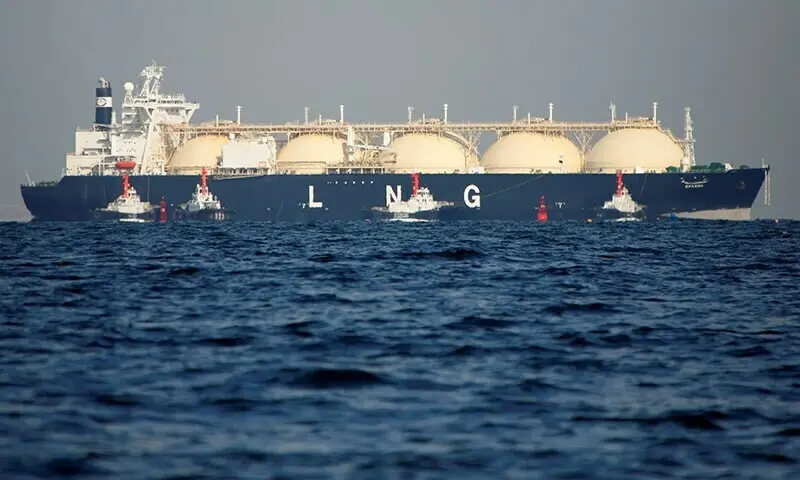
Experts attribute this to mismanagement, delayed building codes, and insufficient local manufacturing. Pakistan imports $2.7bn of liquefied natural gas (LNG) for four months each winter for heating, as most electricity capacity remains unused. The federal government approved an energy conservation building code in 2023 that could have cut cooling demand by 51%, yet Punjab, Sindh, and Balochistan governments have yet to adopt it, inhibiting implementation.
The Capital Development Authority and Khyber Pakhtunkhwa government have adopted the code but are at varying stages of execution. Pakistan can save significantly by improving energy efficiency, integrating renewable energy, and promoting local manufacturing. Dr Chaudhry warned of a 'capacity trap' in 2014-15 and has since served as a senior advisor to LEI, providing technical support for informed policy-making.
LEI's research suggests that enhancing energy efficiency in 25% of residential buildings could reduce peak electricity demand by 3,000MW, saving Rs442.6bn annually. The study on Net Zero Transition projects a pathway to near-complete decarbonisation of the power sector by 2040, shifting from fossil-fuel generation to hydropower, wind, nuclear, and solar.
An assessment on power-sector indigenisation identified potential localisation opportunities worth Rs1.1 trillion against projected equipment demand of Rs1.9tr, but the Power Sector Indigenisation Plan (PSIP) has not been finalized.
Written by urgent.news from Dawn Business's reporting — not their text. Machine-written — may contain errors; check the original before relying on it.