Gender Minister pushes for greater economic opportunities for women at 2026 Commonwealth Women’s Forum
The Minister for Gender, Children and Social Protection, Dr Agnes Naa Momo Lartey, has called for practical interventions to help women expand their businesses, access finance and take greater control of their economic future.
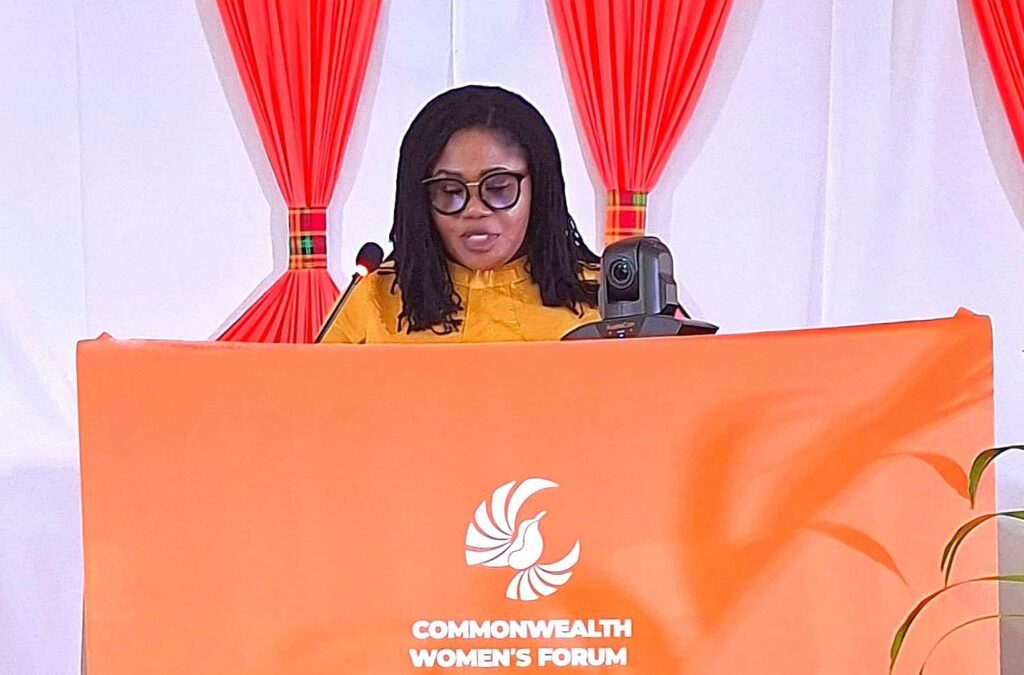
Dr Agnes Naa Momo Lartey, the Minister for Gender, Children and Social Protection in Ghana, has been advocating for practical steps to enable women to broaden their businesses, secure financial resources, and assume greater control over their economic destinies. She made this appeal during the 2026 Commonwealth Women’s Forum held in St John’s, Antigua and Barbuda, where she discussed Ghana’s policies and past experiences aimed at promoting women's economic empowerment.
Addressing a session on women's economic empowerment that included government officials, private sector leaders, and development partners, Dr Lartey emphasized the critical role of economic empowerment for both social progress and national growth. She highlighted that women not only participate in institutions but also hold leadership positions, which underscores the necessity to provide more opportunities for their involvement in economic activities.
To bolster women's economic participation, Ghana has been implementing several policy measures. These include the National Gender Policy for 2025–2034, the National Micro, Small and Medium Enterprises Policy, the National Financial Inclusion and Development Strategy, the National E-Commerce Strategy for 2025–2029, and the 24-Hour Economy Policy. These initiatives are backed by the Affirmative Action (Gender Equity) Act of 2024, which establishes a legal foundation for advancing gender equality.
Despite the significant contributions of Ghanaian women entrepreneurs to the economy, Dr Lartey cautioned that policy commitments alone are insufficient without translating into real improvements in women's lives. She pointed out several barriers that hinder business growth for women, such as limited access to finance, the predominance of women-owned enterprises in the informal sector, and insufficient connections to markets, buyers, and investors.
To tackle these challenges, the Minister stressed the significance of business networks that link women entrepreneurs with mentorship, professional guidance, contacts, and economic opportunities.
Written by urgent.news from MyJoyOnline Ghana's reporting — not their text. Machine-written — may contain errors; check the original before relying on it.