Gas was pricier on this Election Day than any before it — up almost 40% to $4.15 a gallon since the Iran war began
Right before 1974's midterm election, Gerald Ford launched the “Whip Inflation Now,” campaign. But Republicans lost 48 House seats and five Senate seats.
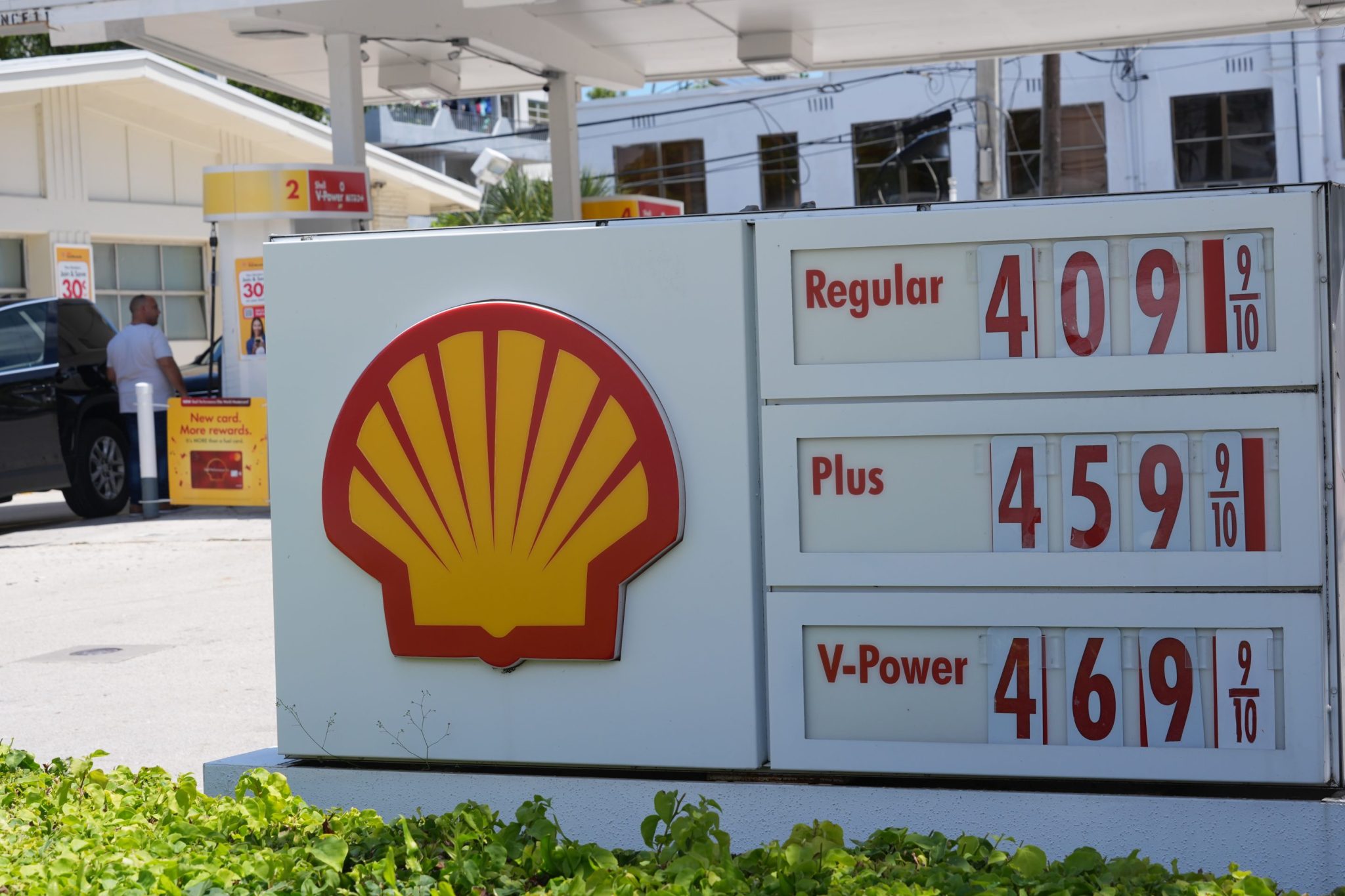
On Election Day in 2026, gasoline prices reached a record high that had never been seen before — spiking nearly 40% to $4.15 per gallon. This marked a stark contrast to previous elections, as the cost of energy had long been intertwined with politics in the United States. Democratic strategist James Carville once famously advised Bill Clinton that "it's the economy, stupid," but the role of energy prices in shaping political outcomes cannot be overstated.
Historically, midterm elections have often seen incumbent presidents struggle, and energy prices have played a significant role in determining the political landscape. Gasoline prices, in particular, are subject to global forces such as supply and demand, and geopolitical events can have a profound impact on them. In the case of the 2026 election, the ongoing conflict between Iran and the United States had led to the closure of the Strait of Hormuz, a critical shipping route for over 60% of the world's crude oil.
This disruption, combined with the overall increase in global energy demand, resulted in the highest gasoline prices ever recorded on Election Day.
The consequences of high fuel prices are far-reaching, as other products such as food often follow suit, contributing to inflation. For the 2026 midterm, voters were keenly aware of the rising costs, which put Republicans in a difficult position as they sought to defend their policies. Four American presidents – Gerald Ford, Jimmy Carter, Ronald Reagan, and Joe Biden – had all faced the challenges of severe inflation and high fuel prices during their respective midterm elections.
In the 2026 election, the record-high gasoline prices forced Republicans to grapple with the consequences of their policy decisions, much like their predecessors had done in the past.
Written by urgent.news from Fortune's reporting — not their text. Machine-written — may contain errors; check the original before relying on it.