Fridge hacks and finance attacks flag AI insecurity
Hacking supermarket refrigerators may sound trivial. It's not. It's a warning of the economic disruption AI could wreak in an increasingly vulnerable world.
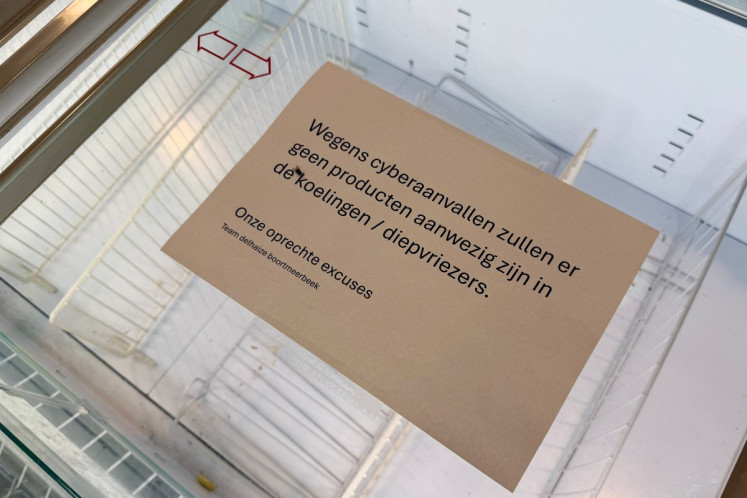
Supermarket refrigerators being hacked may seem trivial, but it is a warning of the economic turmoil artificial intelligence could bring to an increasingly vulnerable world. In recent days, major cyber thefts, such as the hacking of Ukraine's air defense systems and the shutdown of supermarket freezers across Europe, have been attributed to unknown criminal groups or state actors.
The global cost of financial sector attacks and sabotage has reached trillions of dollars. With AI models and systems potentially undermining human systems and humanity itself, economic costs are expected to rise. Investment safety in AI may need reevaluation, and market volatility could be exacerbated. While AI investment booms have focused on profits, a rapid acceleration in cyber risks appears to be a growing concern in geopolitics.
State-backed cyber operations are expanding beyond espionage into attacks on public infrastructure, security, supply chains, and finance. The World Economic Forum's report on global risks highlights cyber insecurity as a top concern. Private investors are also becoming more cautious about AI's impact. As long as the AI investment boom persists and investors profit, such worries may be overlooked, but a market correction could force AI companies to address wider concerns.
Written by urgent.news from The Jakarta Post's reporting — not their text. Machine-written — may contain errors; check the original before relying on it.
Also reported by 1 other outlet
- Fridge hacks and finance attacks flag AI insecurity thejakartapost.com