Extreme heat is creating a workplace health crisis in Bangladesh’s garment industry
Rising temperatures in Bangladesh are creating an occupational health crisis for the 4.2 million workers in the country’s garment industry, reports Mongabay contributor Usraat Fahmidah. A World Bank report shows that maximum temperatures across the country have climbed by about 1.1° Celsius (2° Fahrenheit) since 1980. The country’s capital, Dhaka, hit a record 40.6°C (105°F) […]
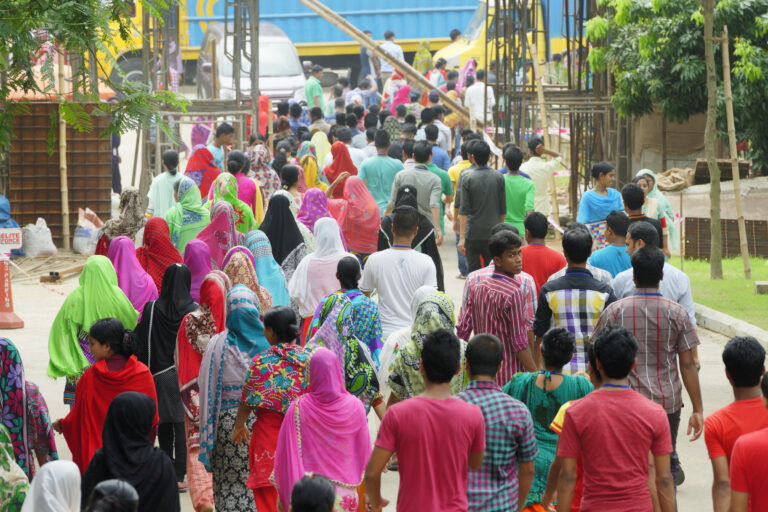
Escalating temperatures in Bangladesh are triggering a workplace health emergency within the country's garment industry, which employs 4.2 million individuals, according to a report by Mongabay contributor Usraat Fahmidah. The World Bank's findings indicate that maximum temperatures in Bangladesh have risen by approximately 1.1°C (2°F) since 1980.
In Dhaka, the capital city, a new record of 40.6°C (105°F) was recorded in April 2023, and the city endured a 30-day heat wave in 2024. A study conducted in 2025 revealed that the maximum indoor temperatures in garment factories often exceed 35°C (95°F) on 37% of monitored days, with occasional spikes reaching 40°C (104°F) during the peak summer season.
The intense heat is having a significant impact on the health of factory workers. Mridula, a 20-year-old sewing operator in Dhaka, experienced a collapse due to dizziness caused by extreme heat. She was subsequently diagnosed with jaundice, a condition that worsens from dehydration and physical strain. Medical professionals working in Dhaka's garment facilities report an alarming increase in cases of dehydration leading to low blood pressure, in addition to a growing number of needle injuries from sewing machines and accidents resulting from increased falls during hotter periods.
However, comprehensive data on heat-related illnesses occurring indoors is currently lacking. Aaron Bach, a co-author of a 2025 study examining the heat impacts on Bangladeshi garment factories from Griffith University in Australia, highlighted that factory clinics are primarily equipped for managing acute emergencies and do not possess the necessary facilities to diagnose chronic health issues.
"Without current records of health effects, we will be unable to assess the extent of harm that accumulates as temperatures continue to rise," Bach remarked to Mongabay.
Furthermore, Bangladesh's 2024 National Guideline on Heat-Related Illness primarily concentrates on outdoor labor conditions, leaving gaps in addressing the health risks associated with working in hot indoor environments. This article was originally published on Mongabay.
Written by urgent.news from Mongabay's reporting — not their text. Machine-written — may contain errors; check the original before relying on it.